Choosing the Right Men’s Tie
A well-chosen tie can bring structure, color and texture to an outfit without making it feel overly formal. The right option depends on the occasion, the fabric of the jacket and shirt, and how much pattern or contrast you want to introduce.

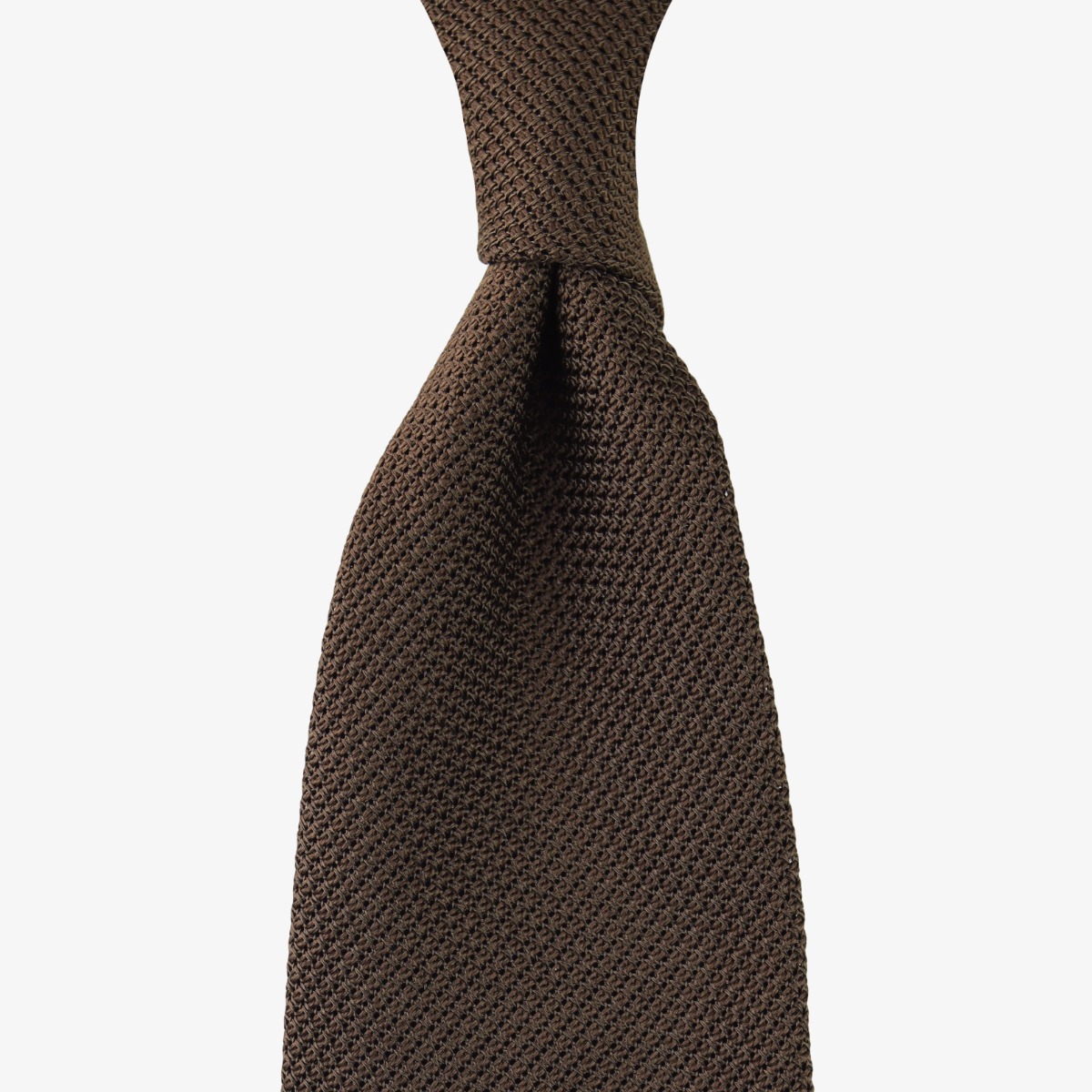
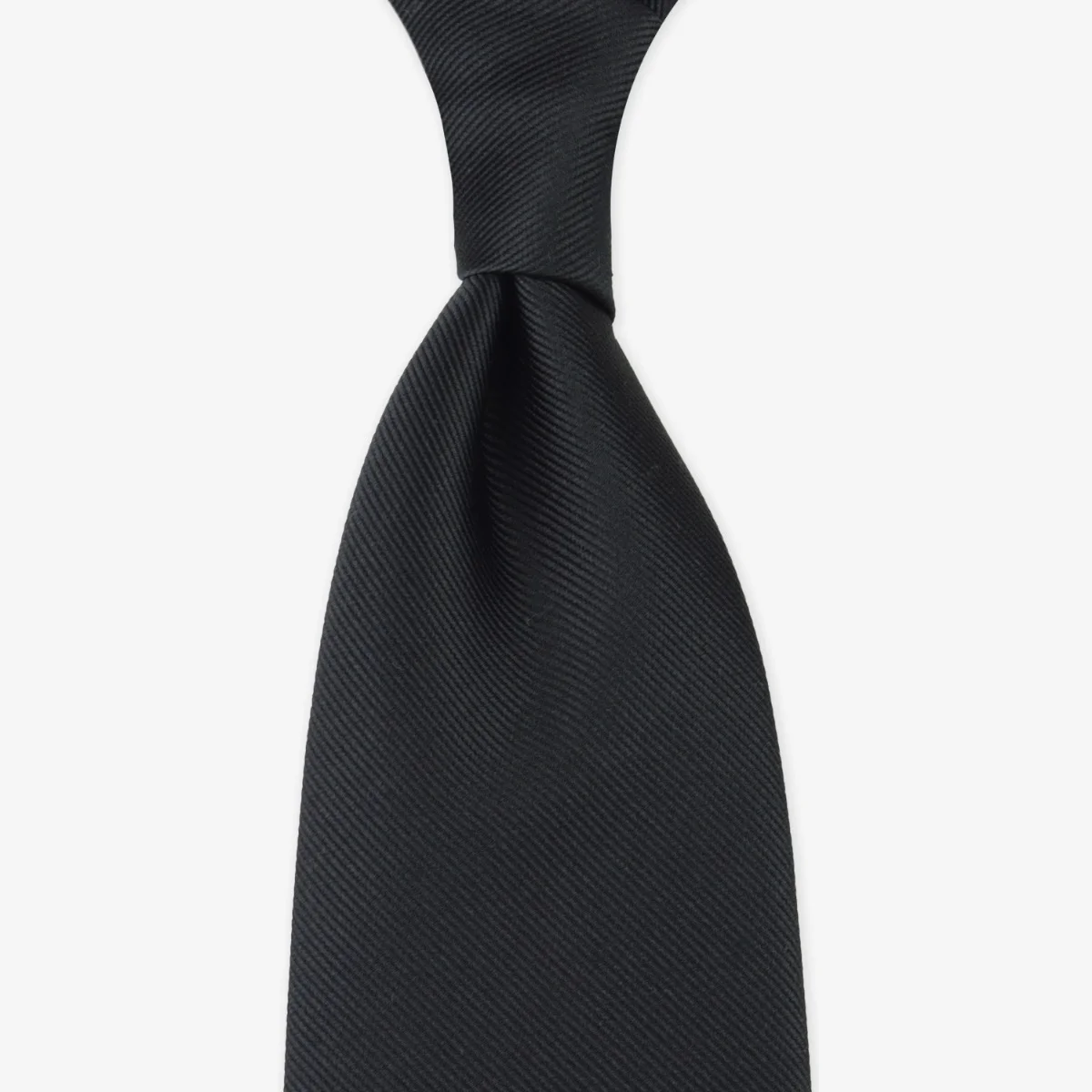
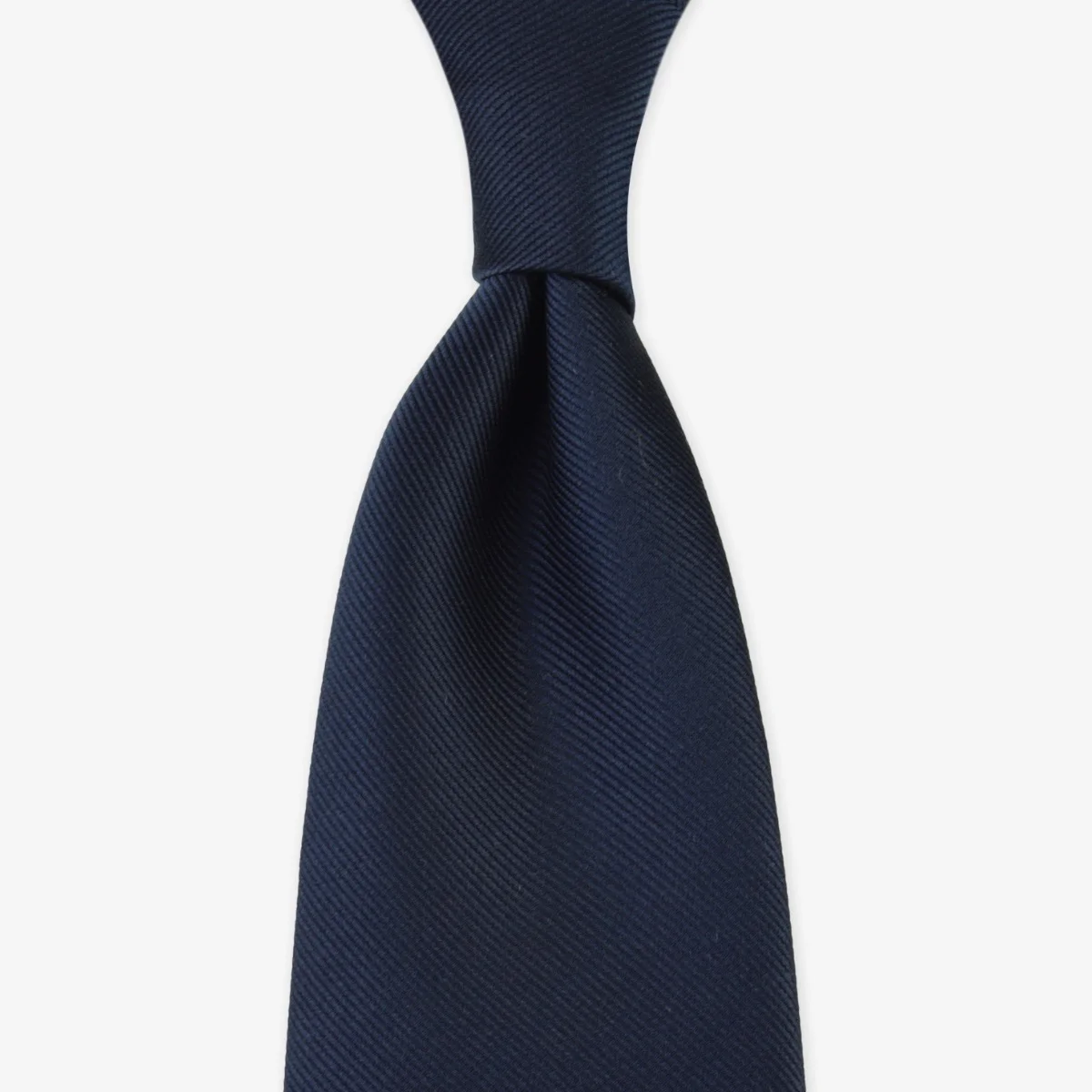
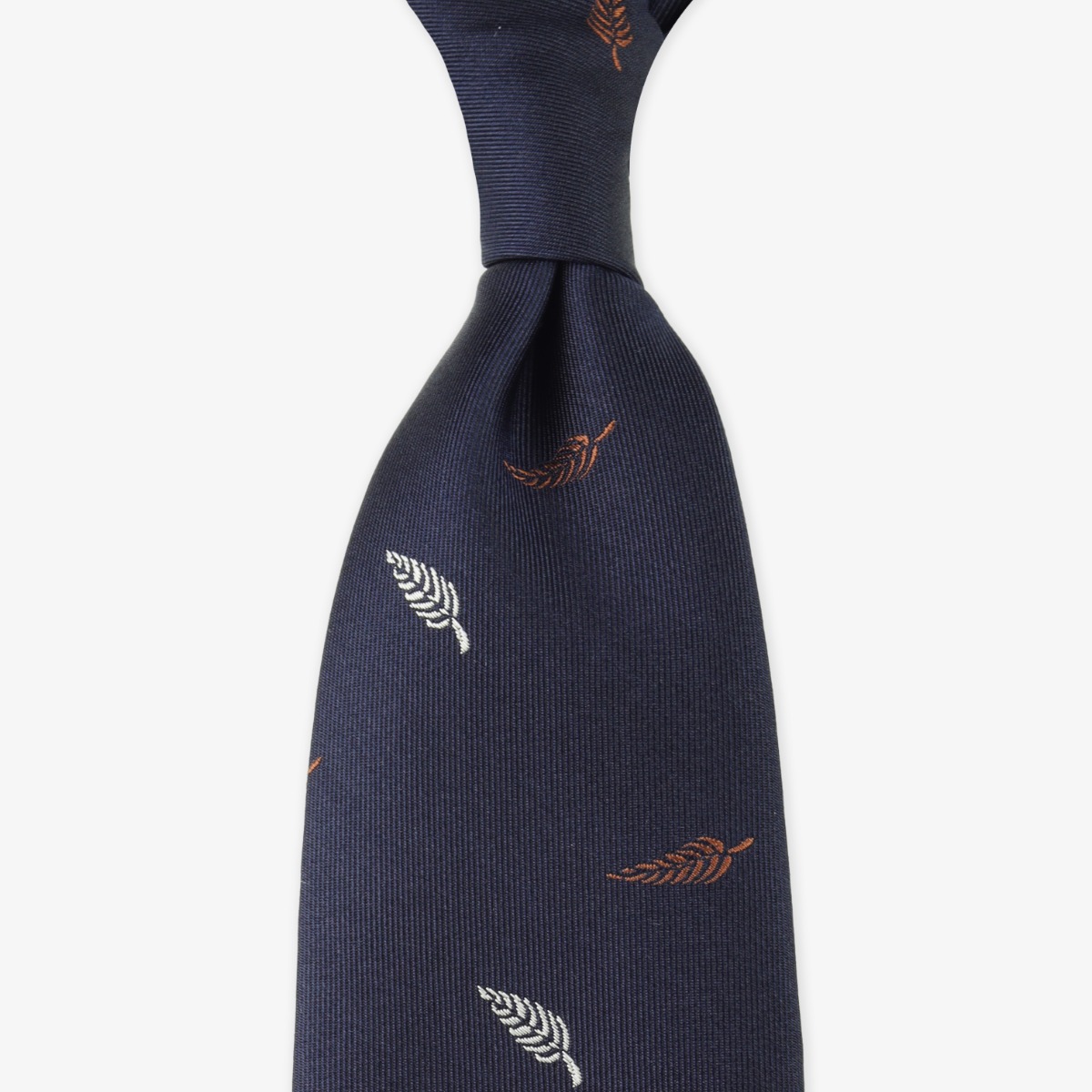
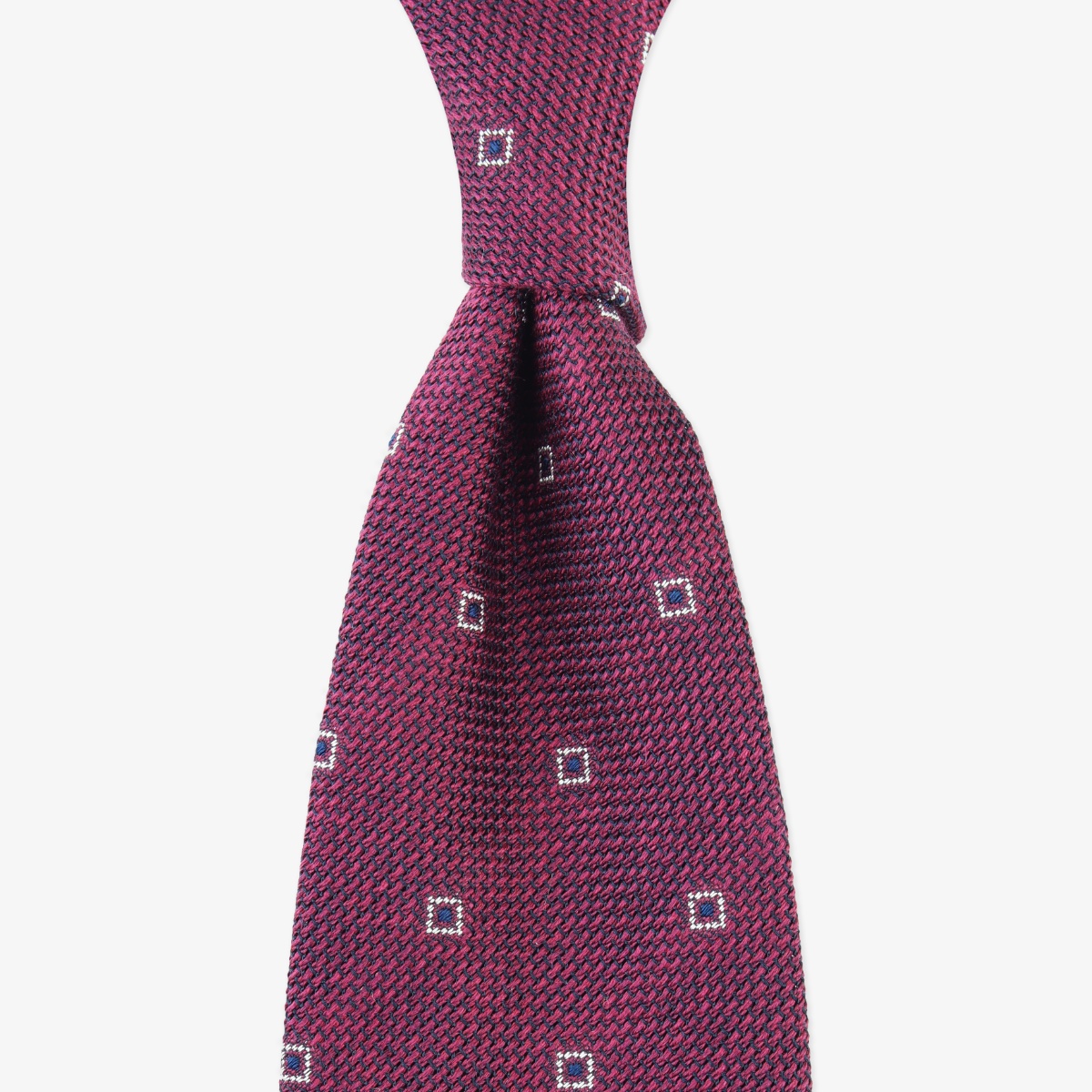
Plain silk ties in navy, burgundy, brown and dark green are among the most versatile choices. They pair naturally with business suits, wedding attire and tailored jackets, while textured weaves give these classic colors more depth. Grenadine ties are particularly useful because their open weave adds visual interest without relying on a bold pattern. They work well with smooth worsted suits, flannel tailoring and less formal blazer combinations.
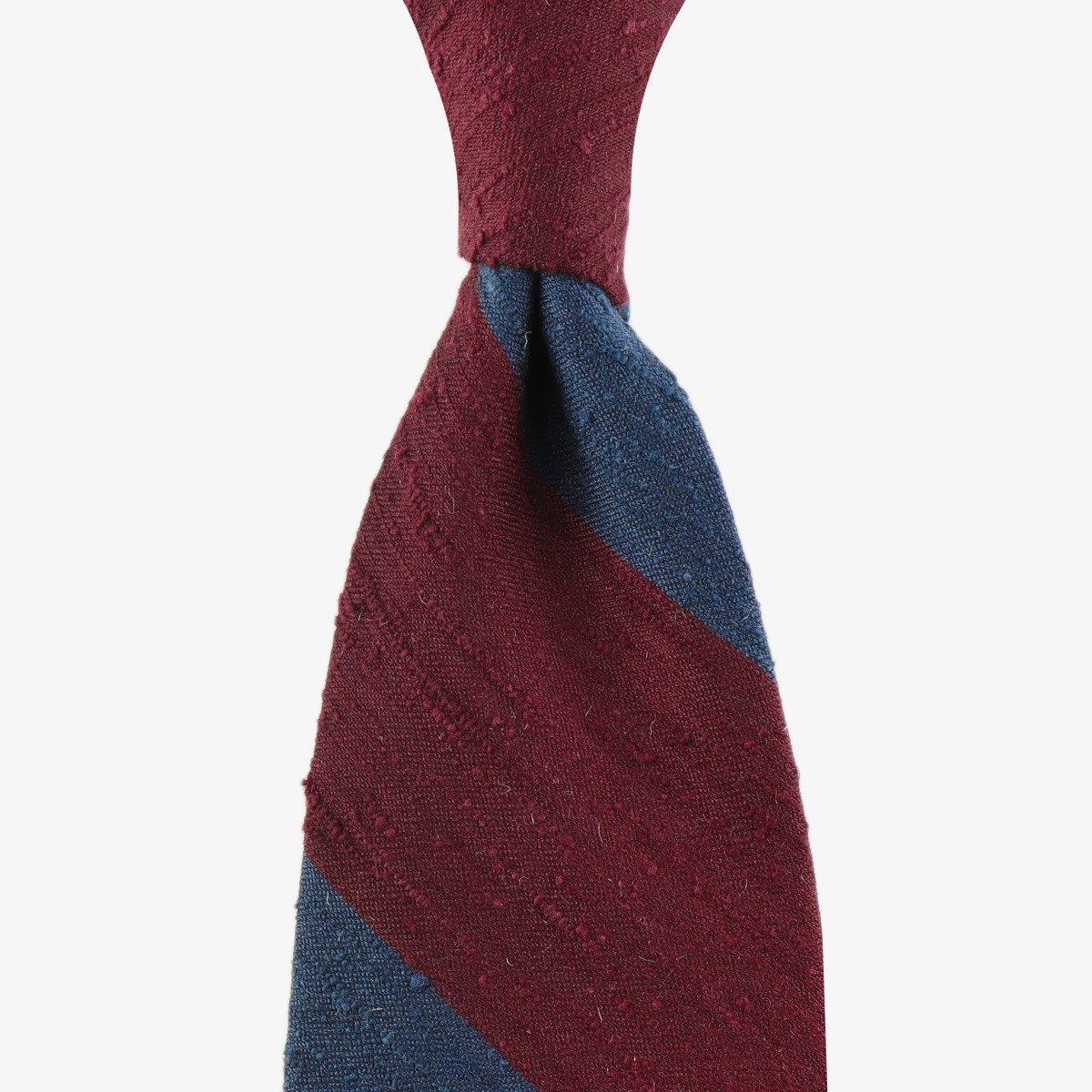
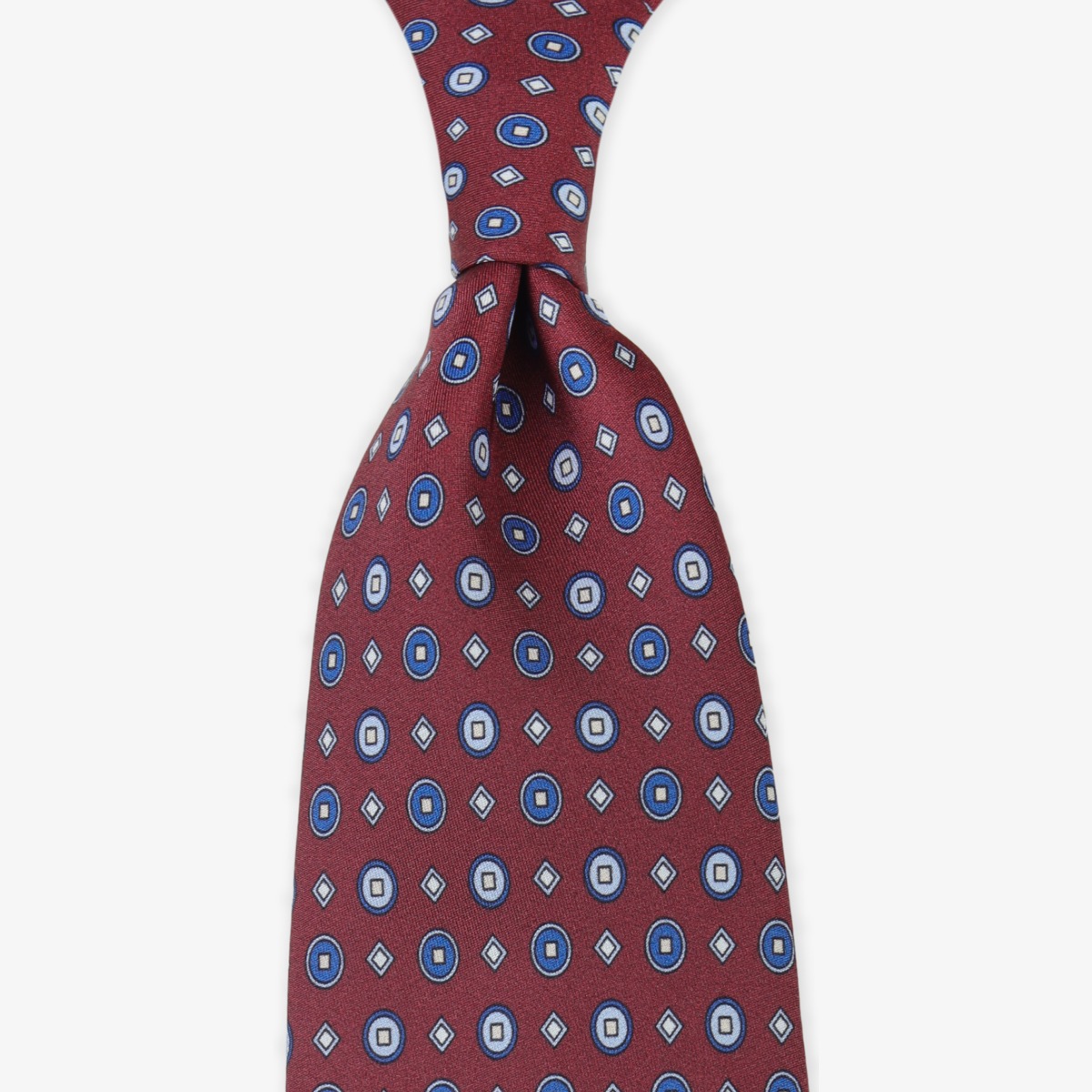
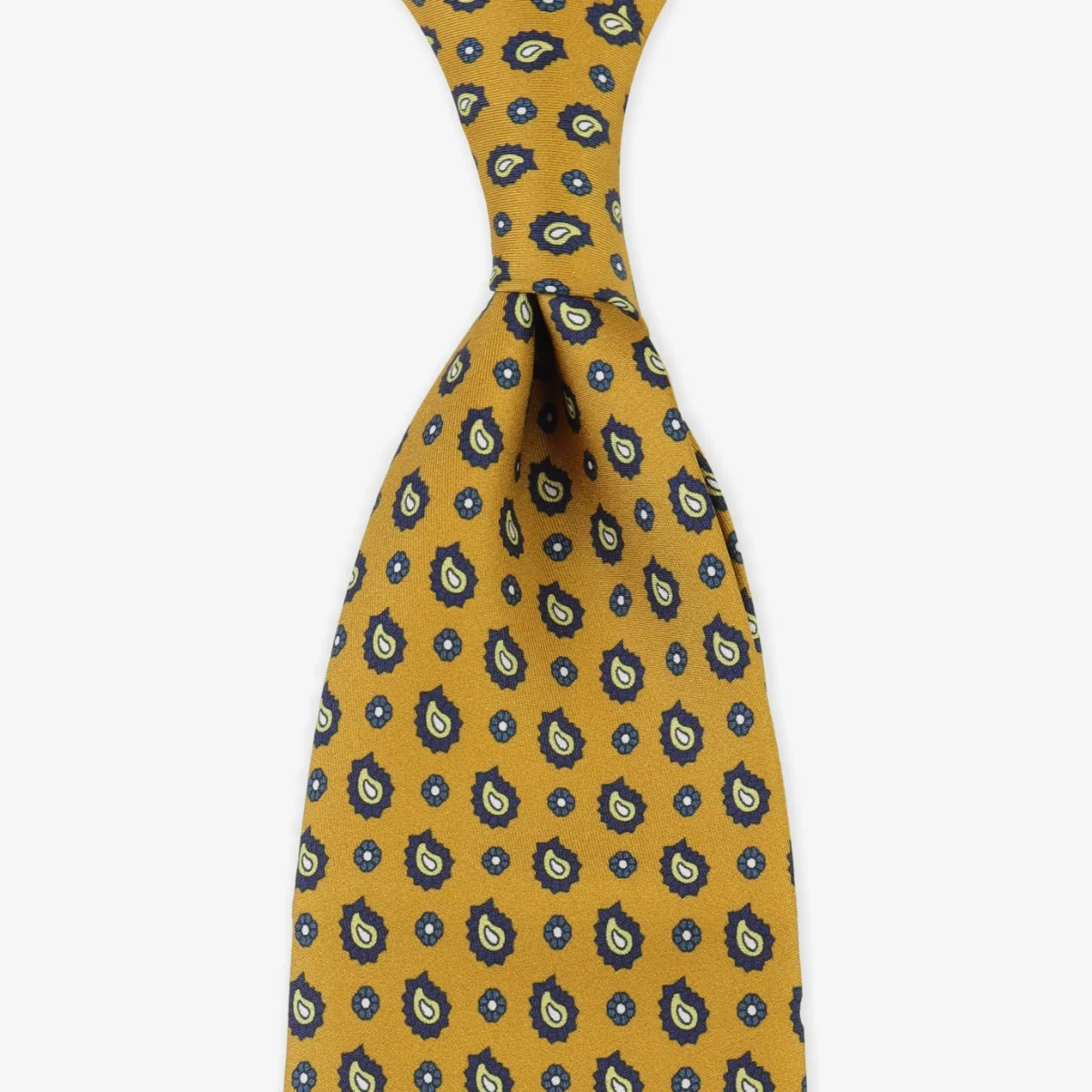
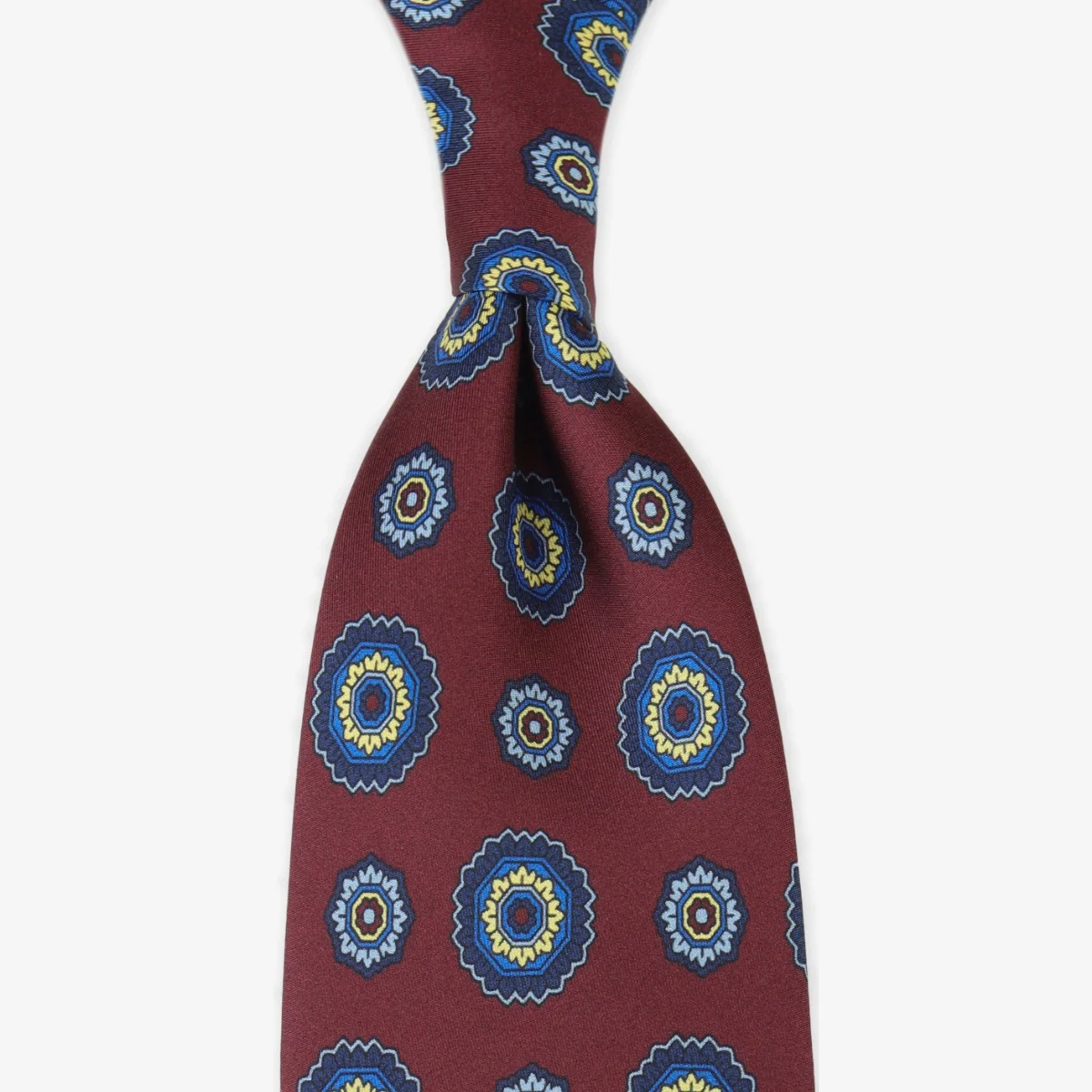
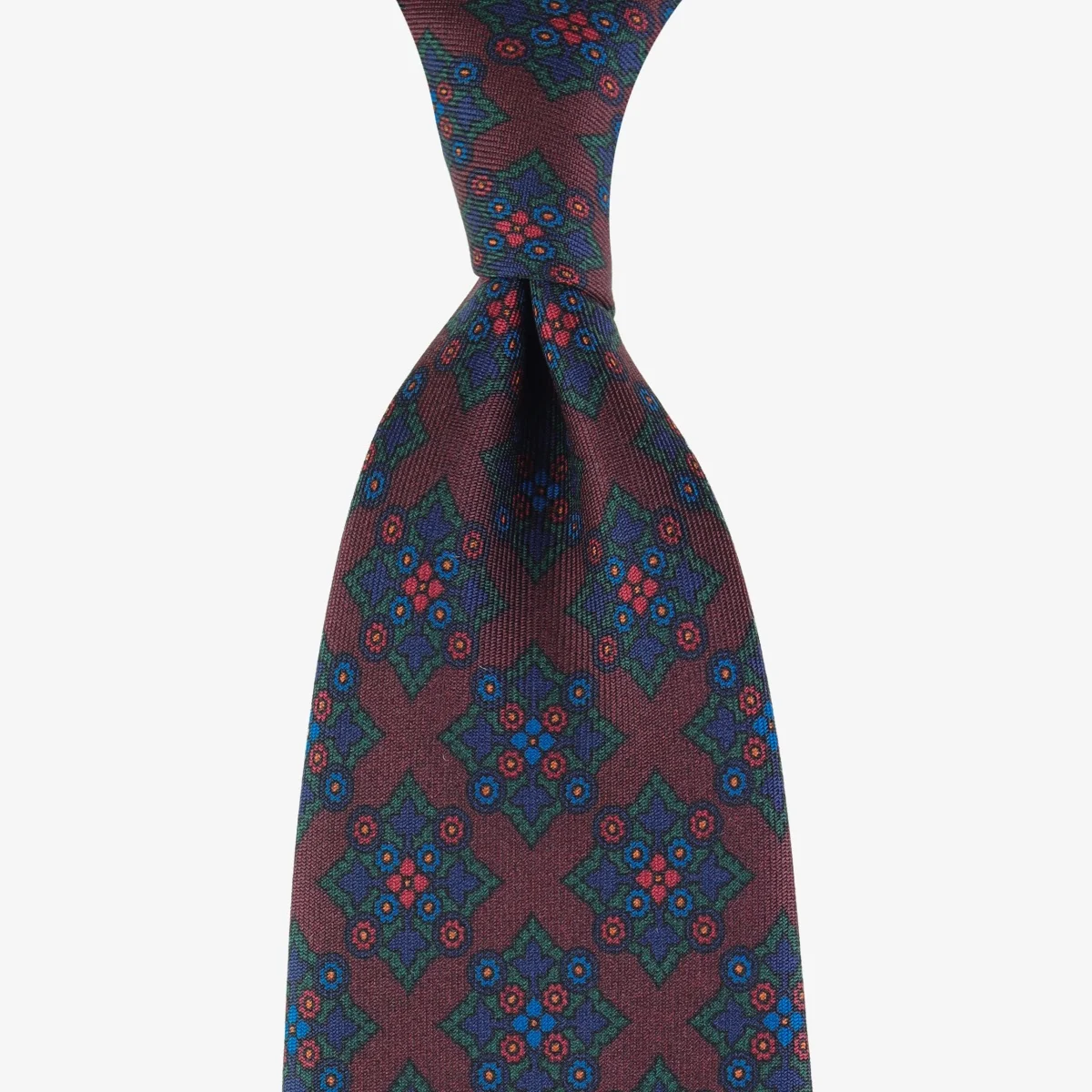
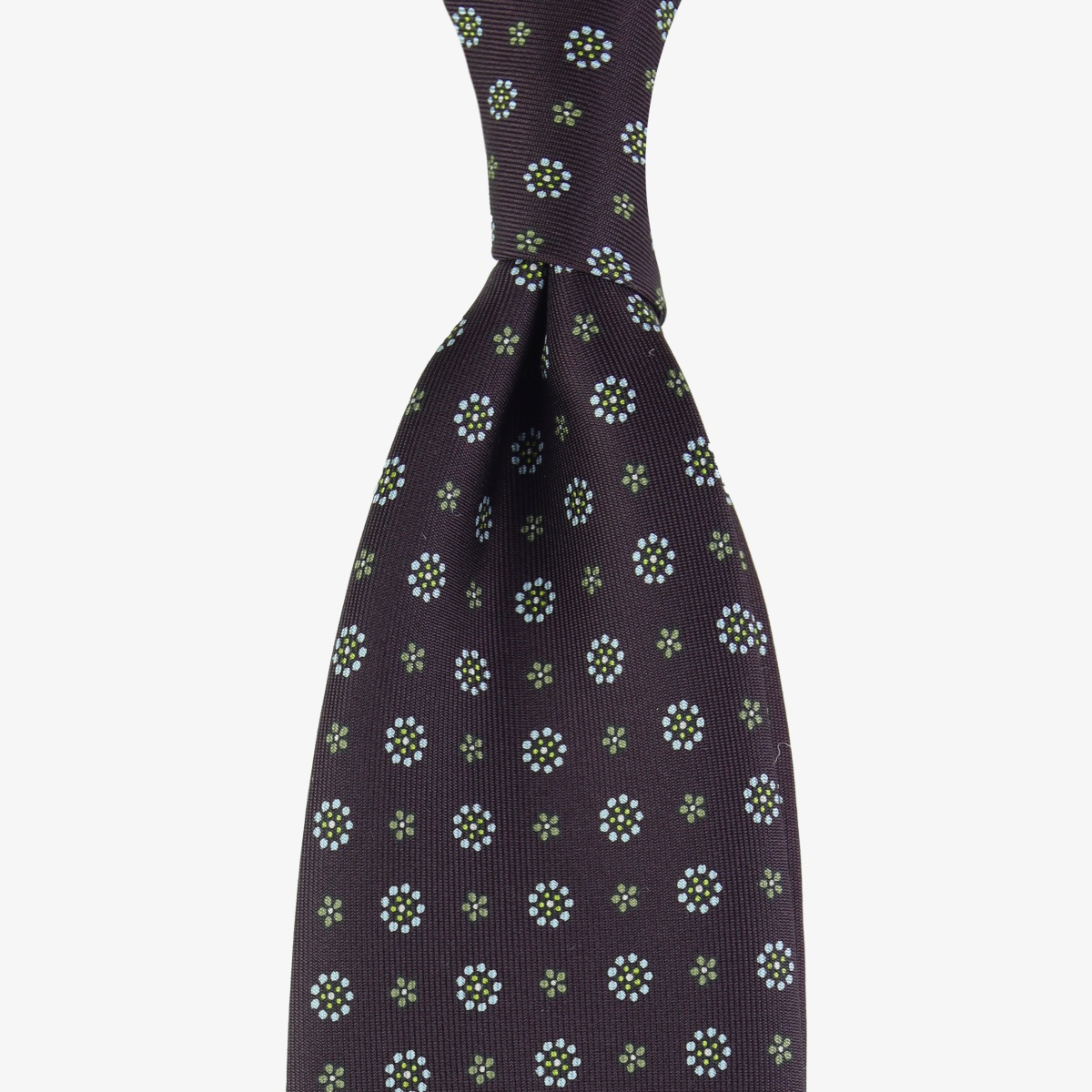
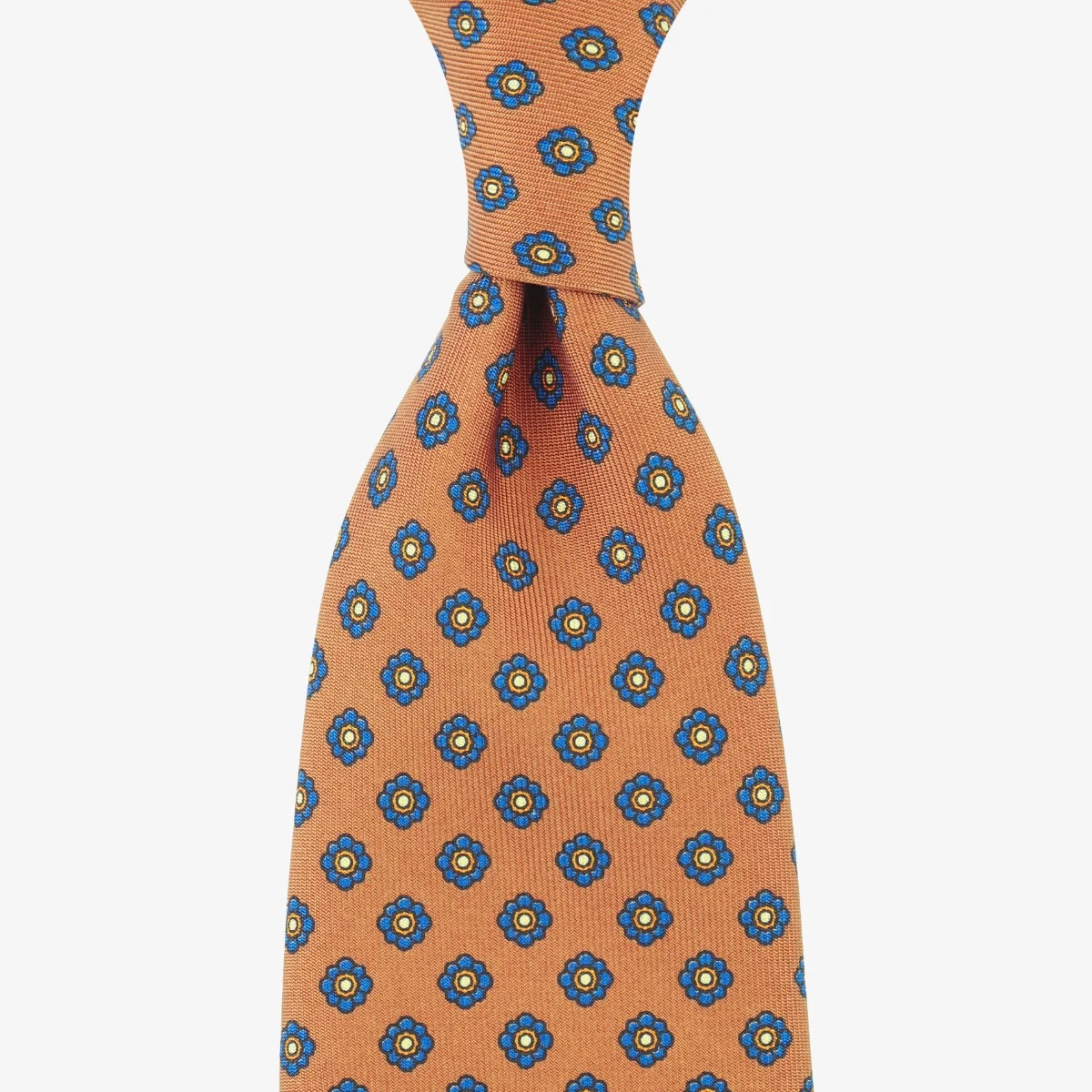
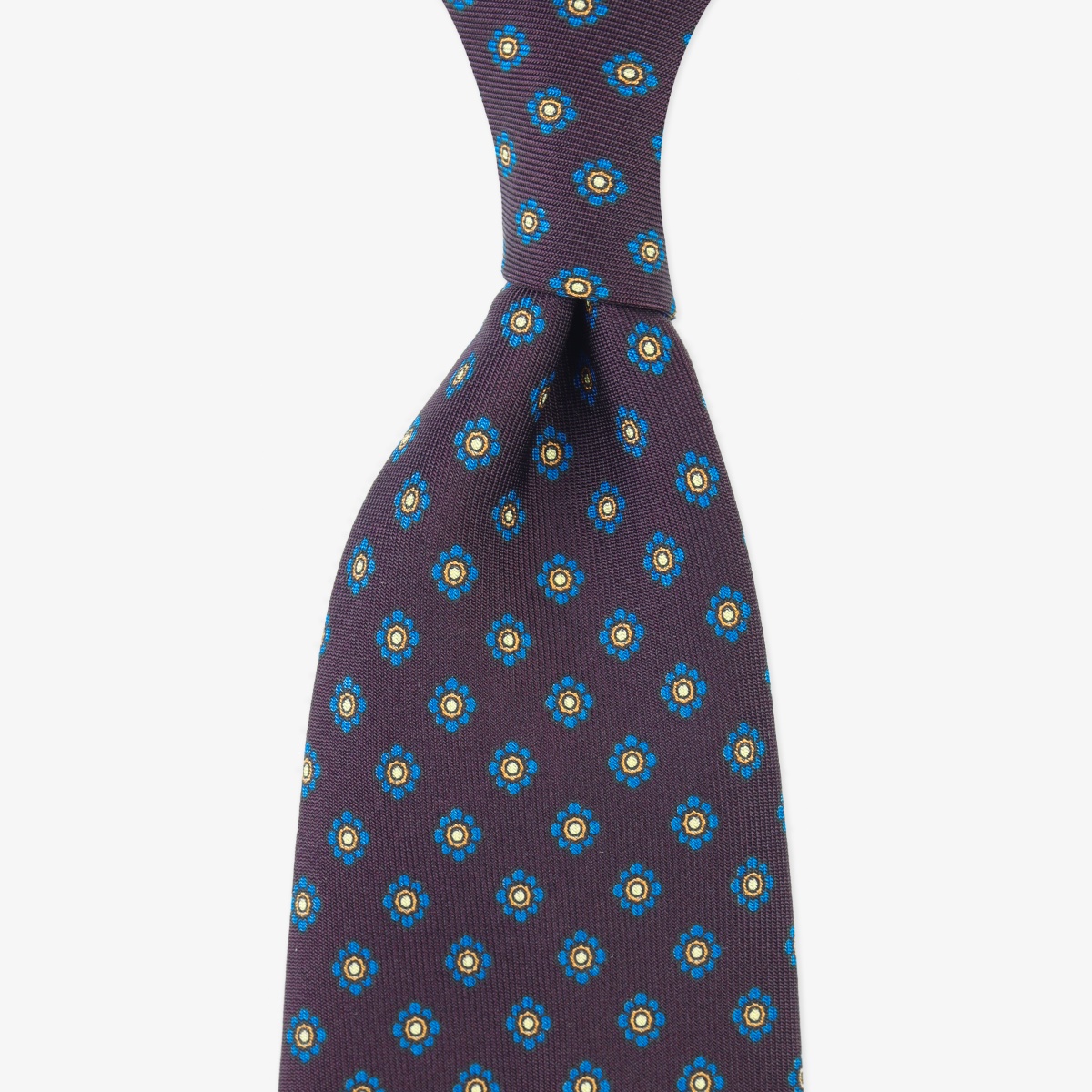
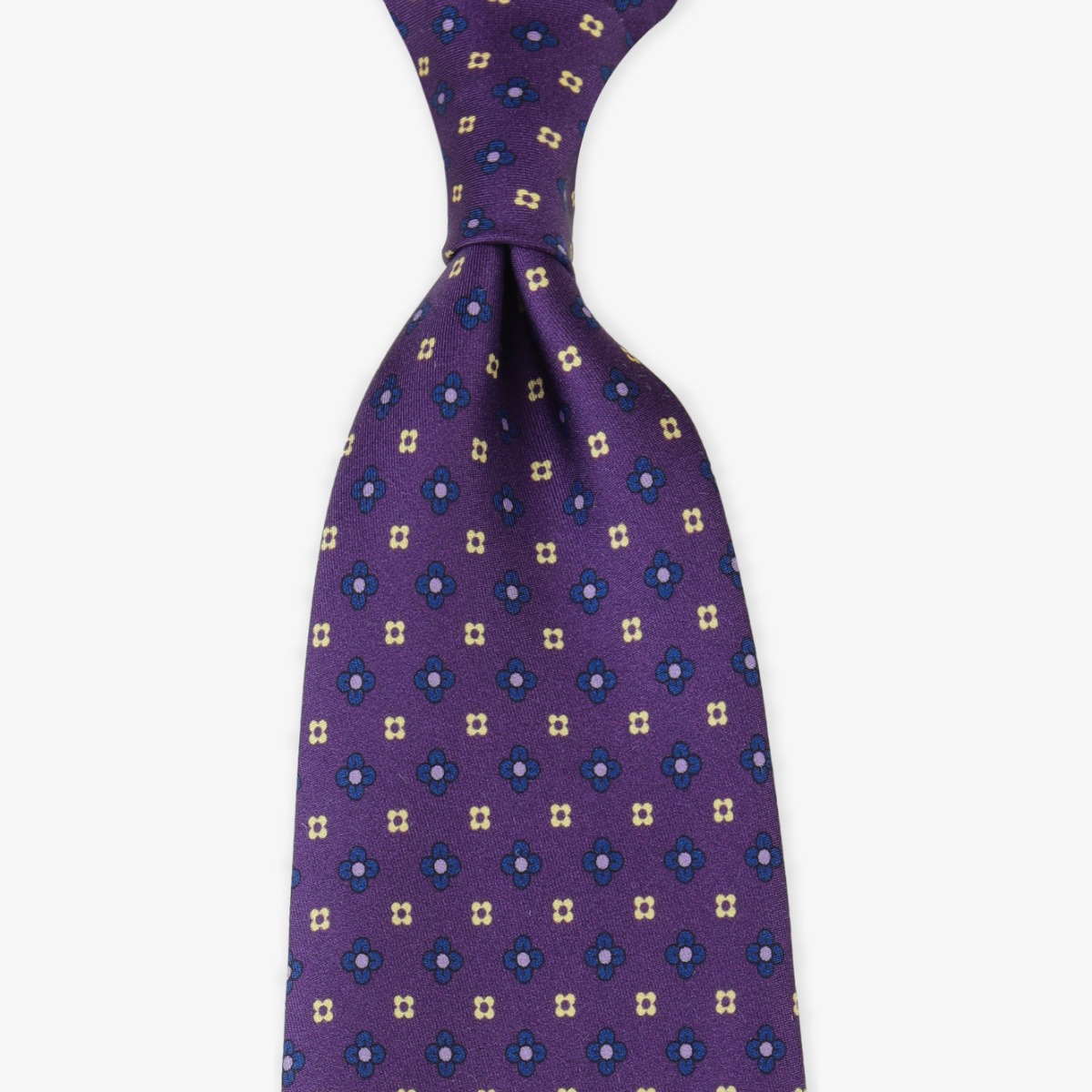
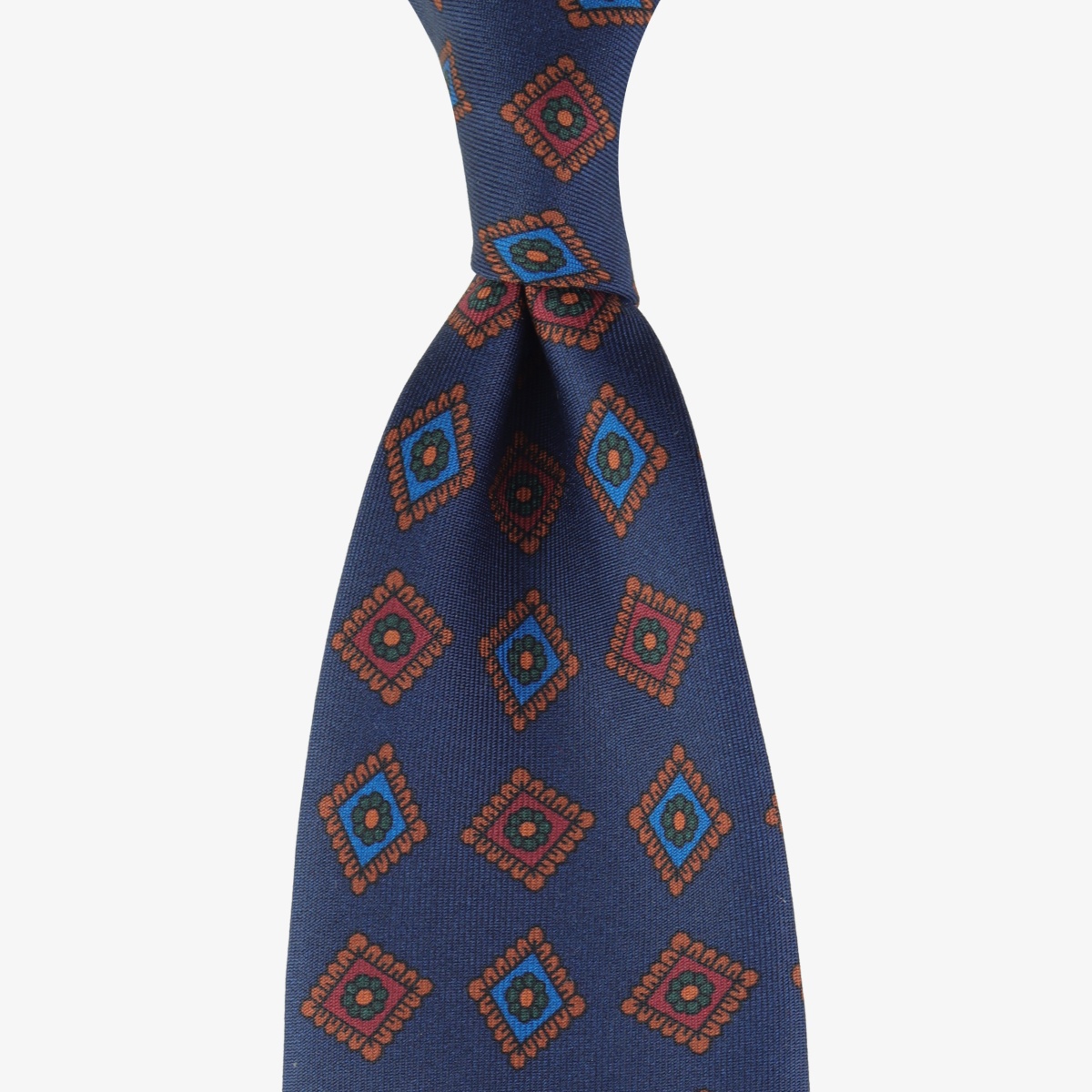
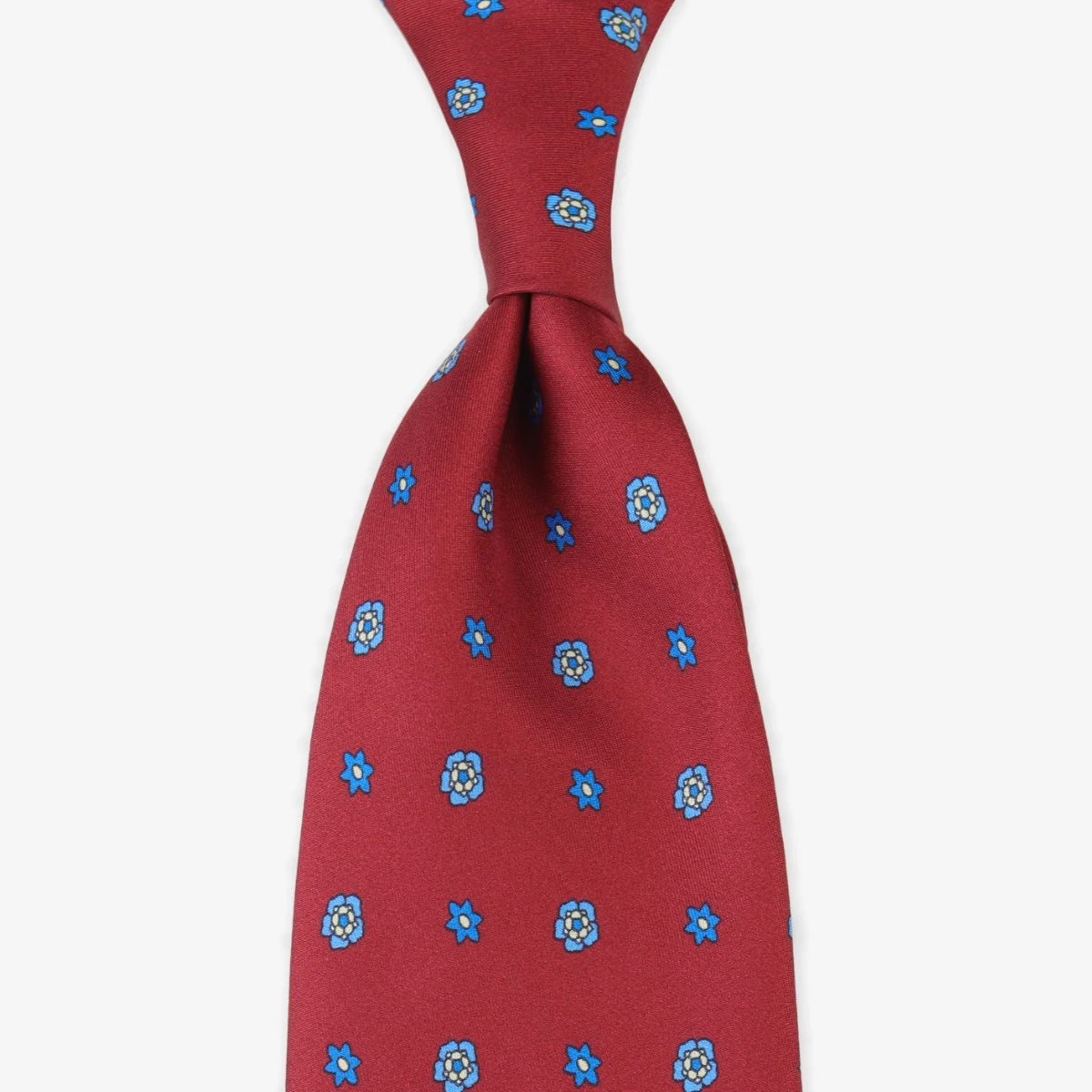
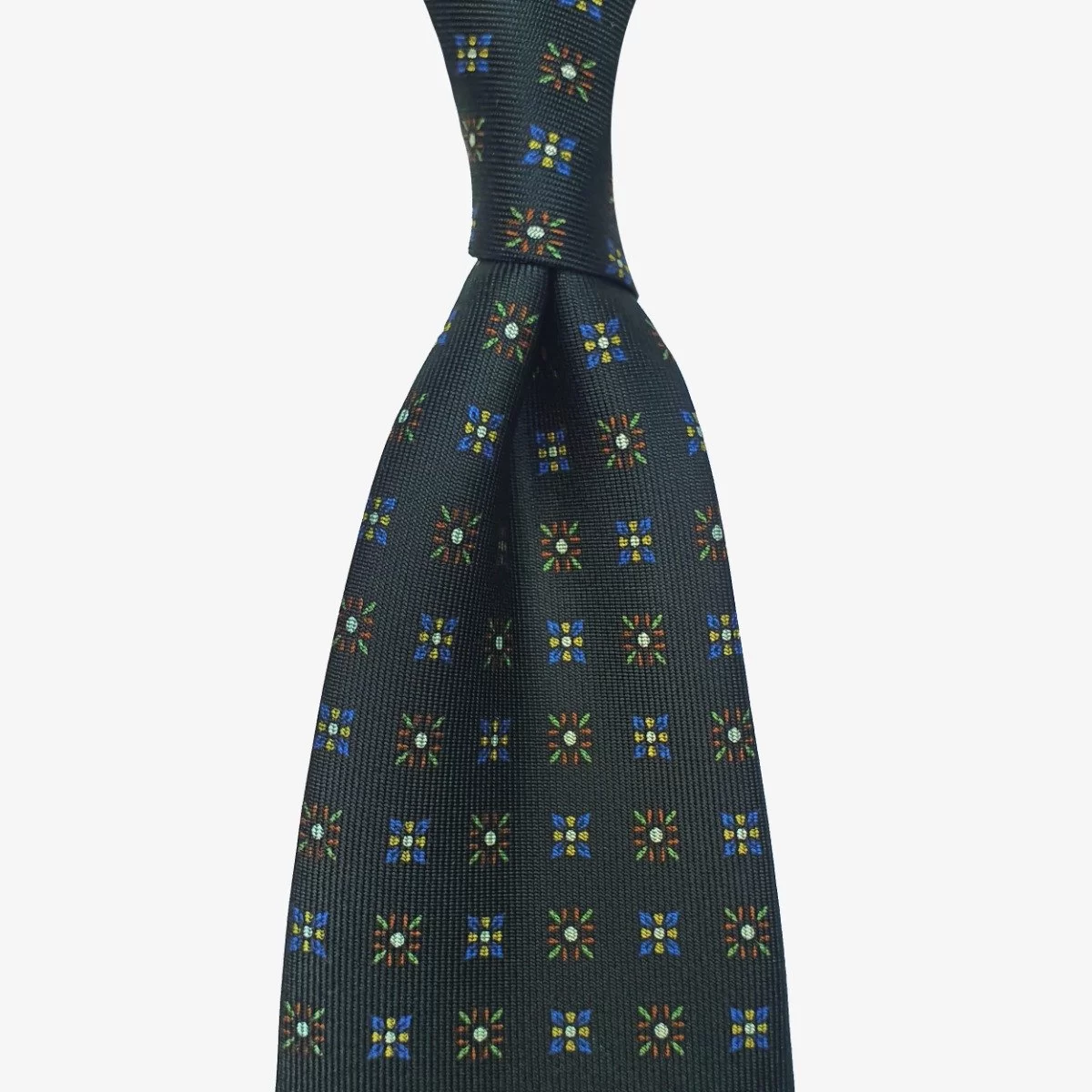
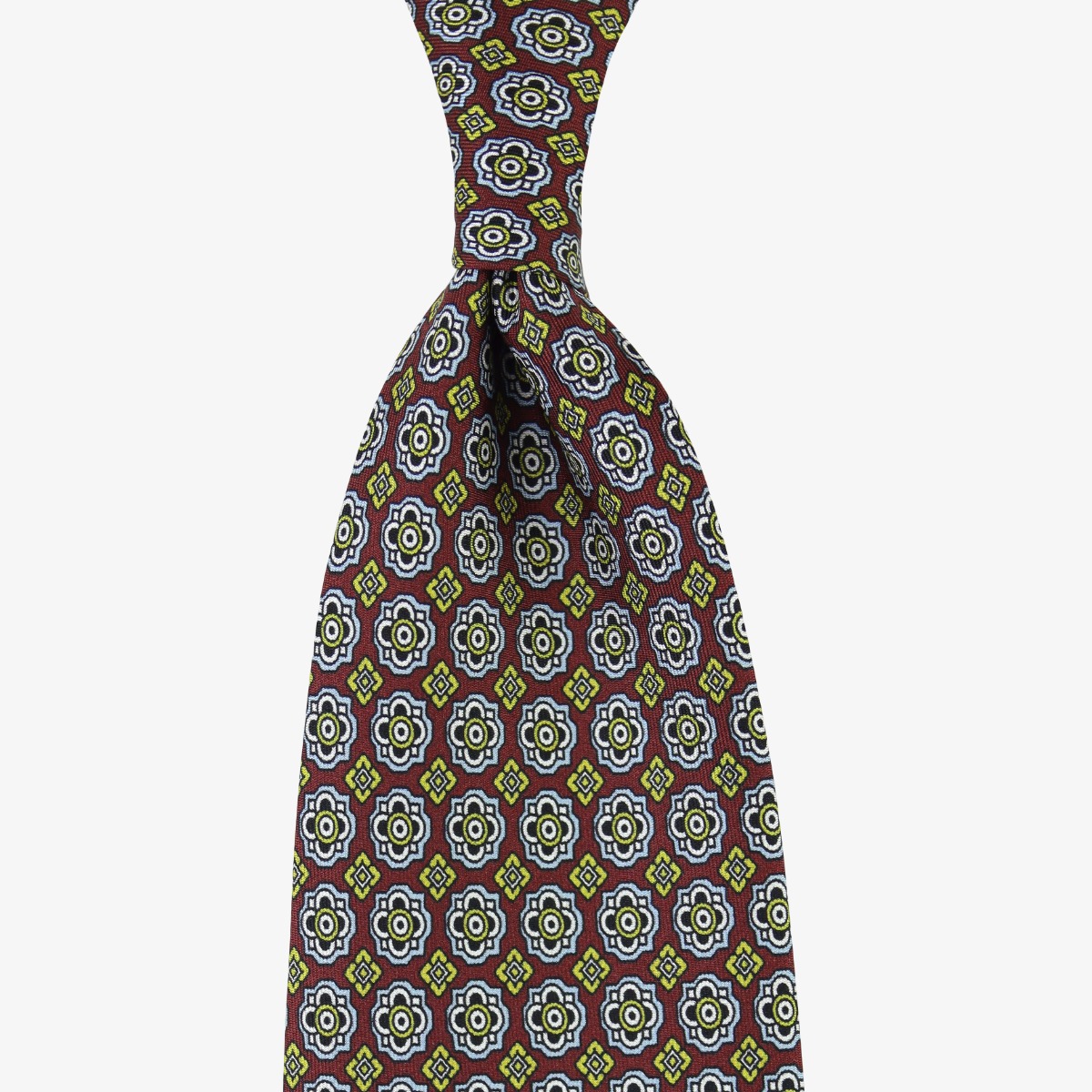
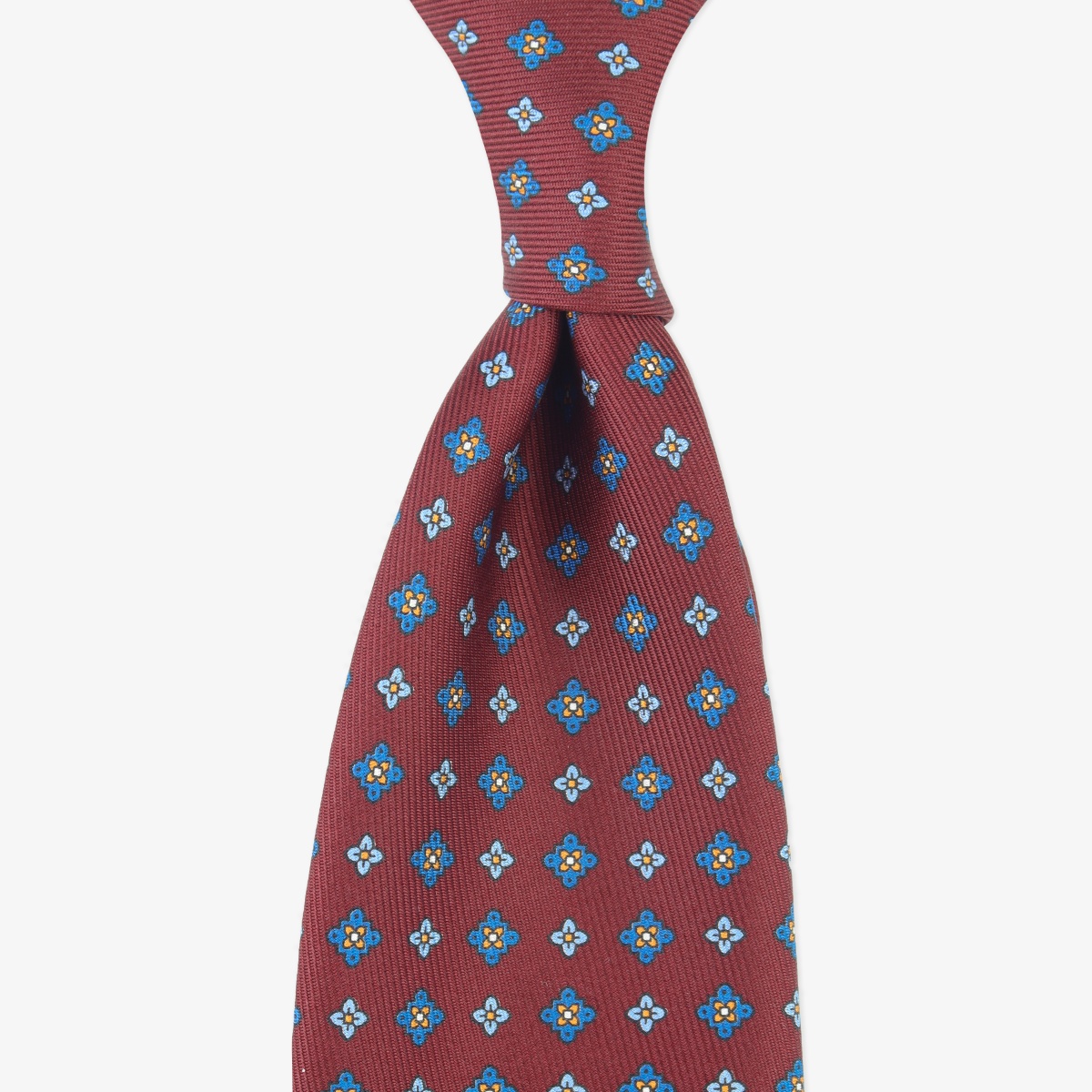
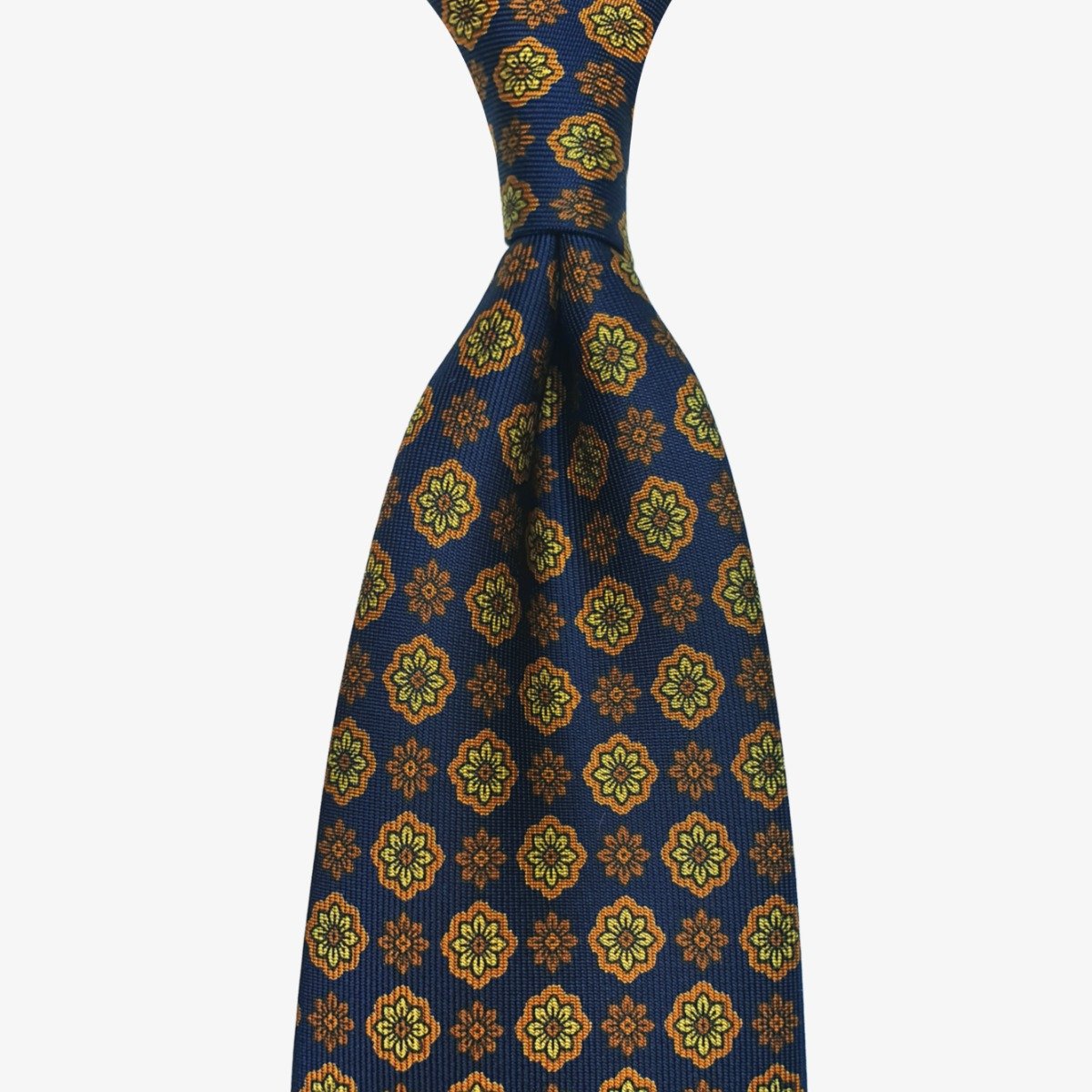
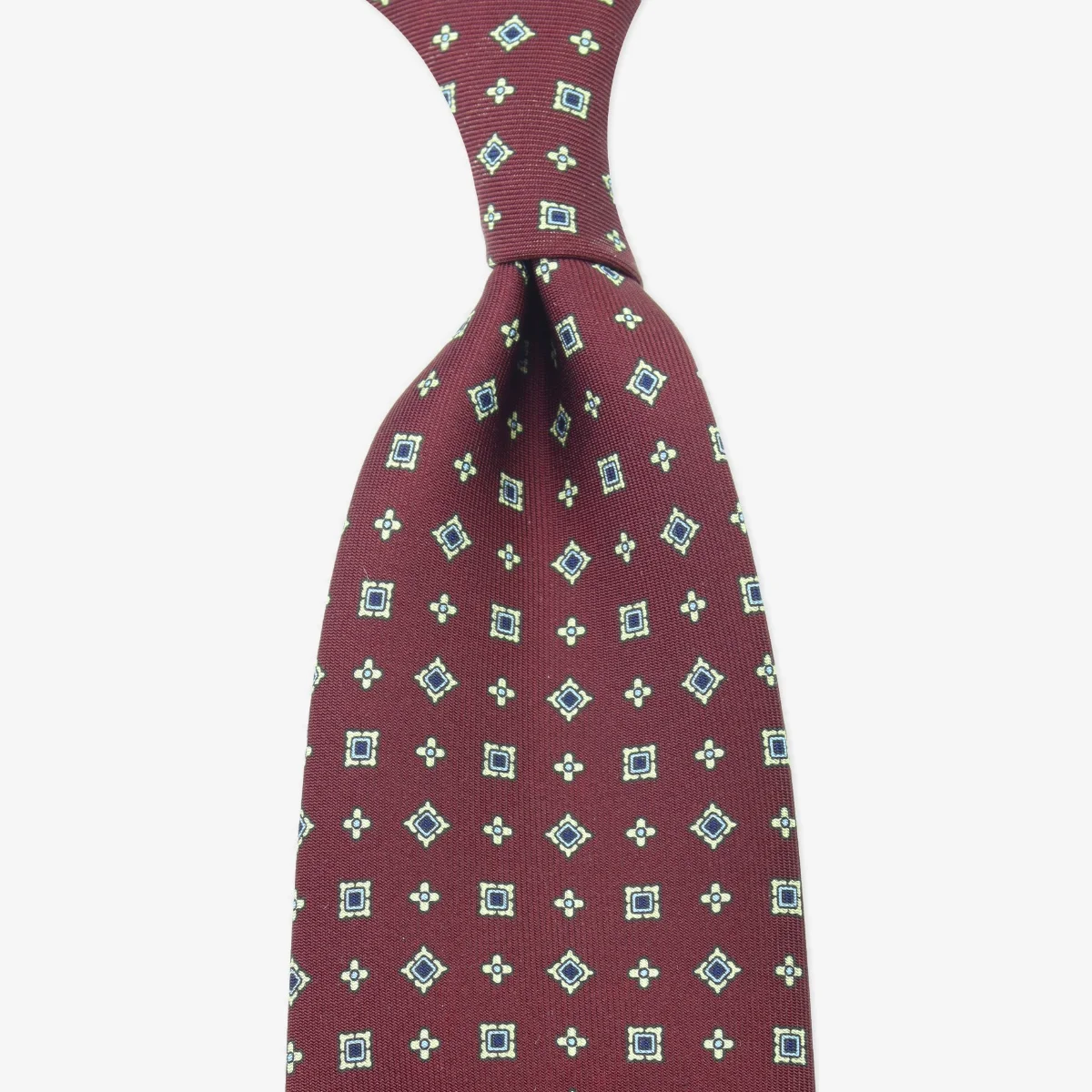
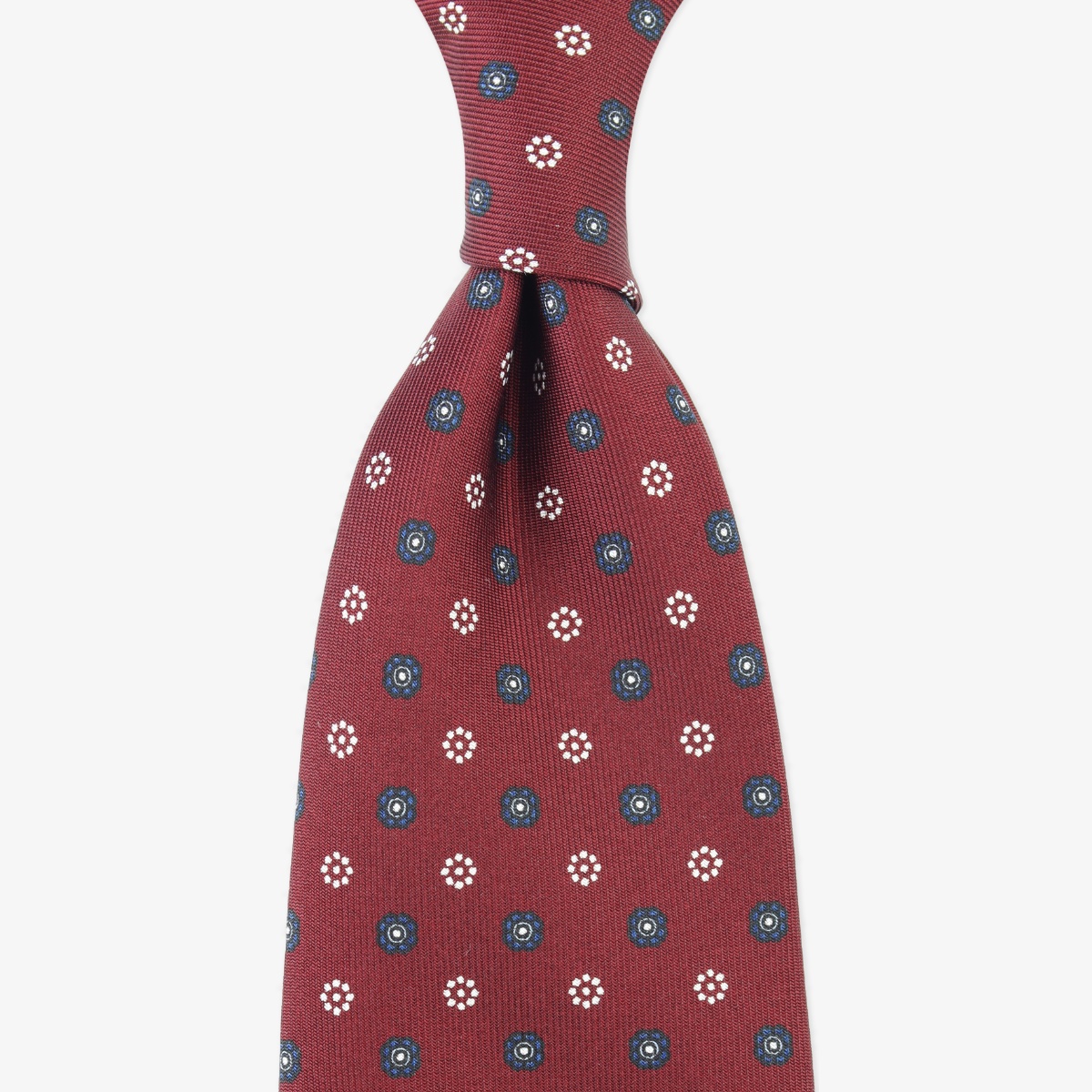
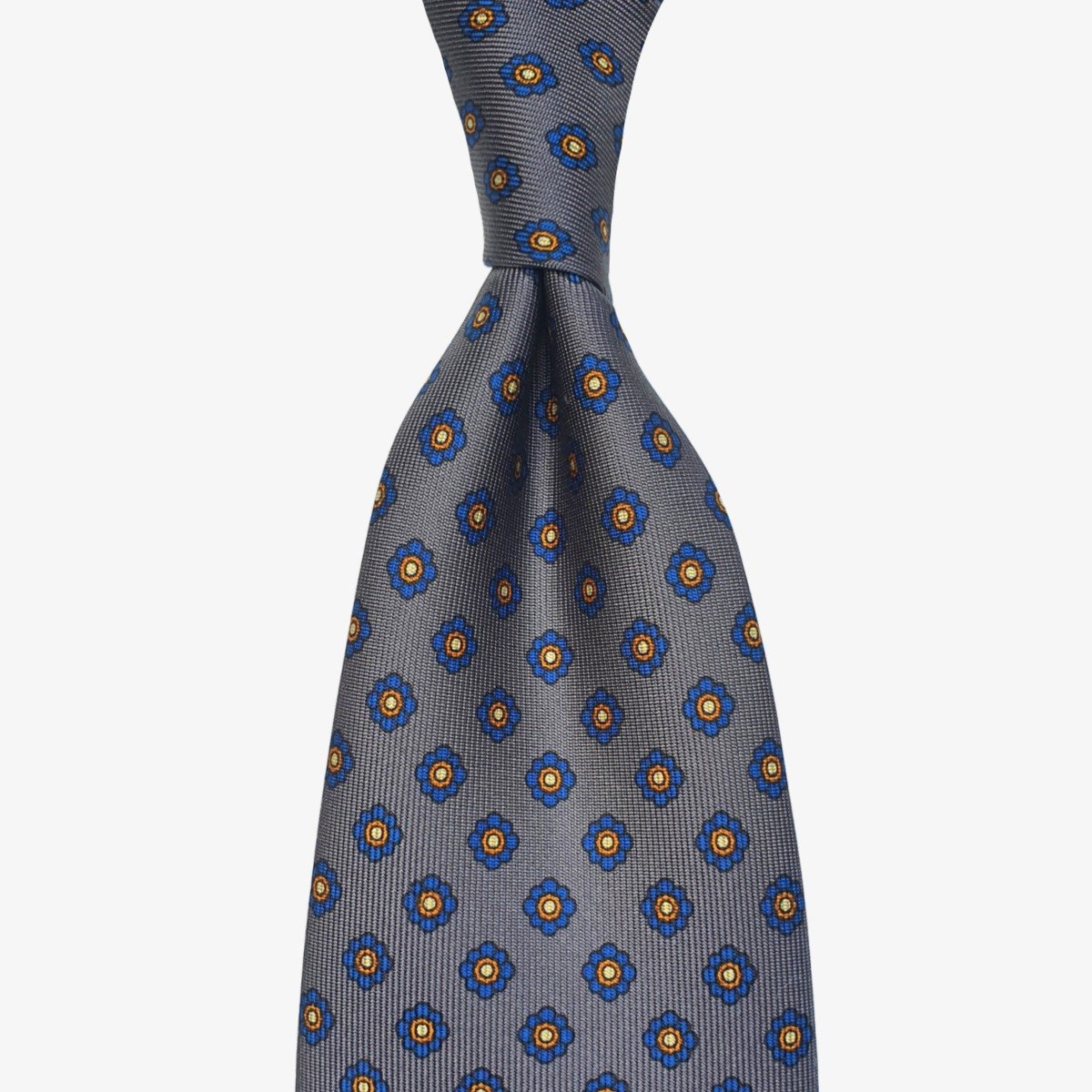
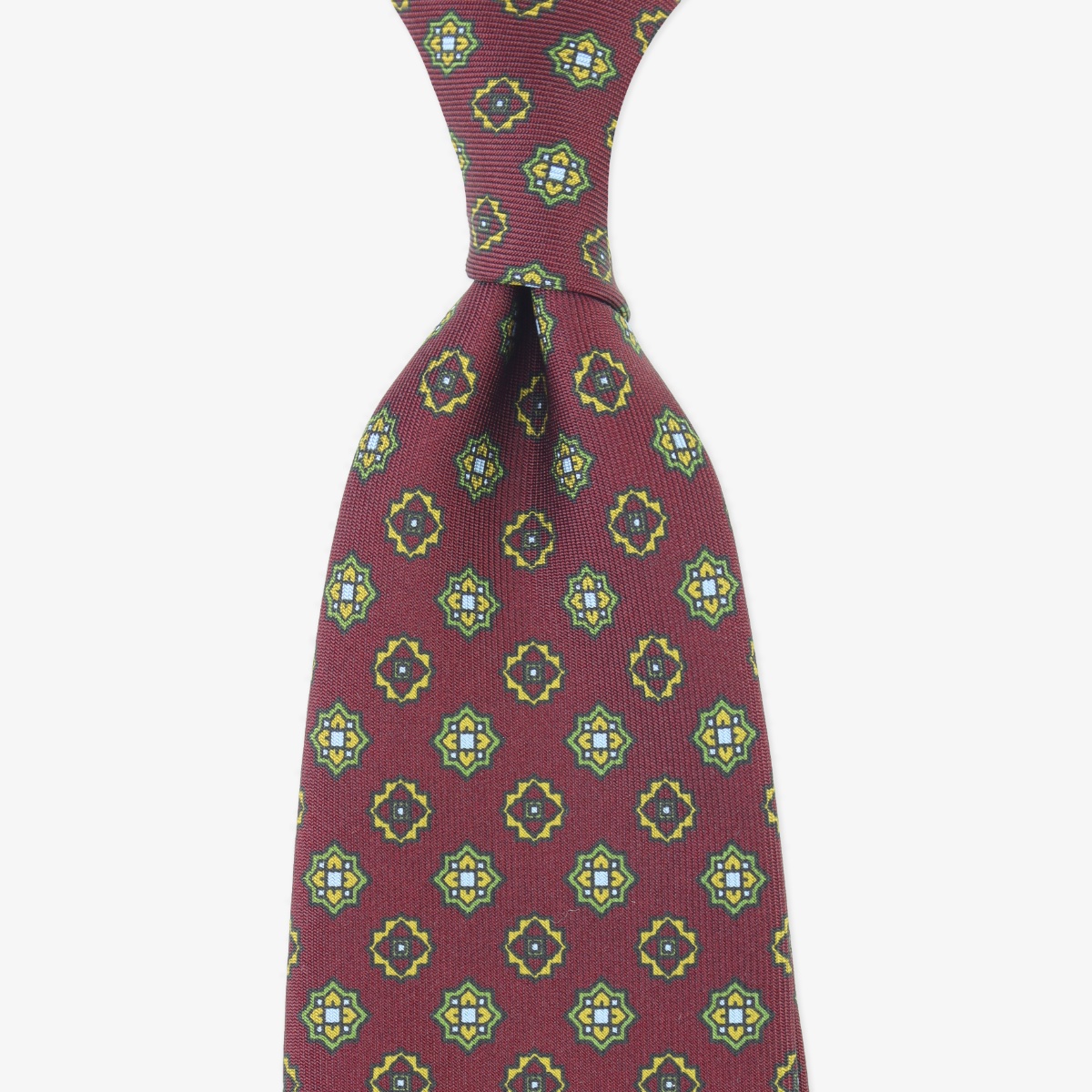
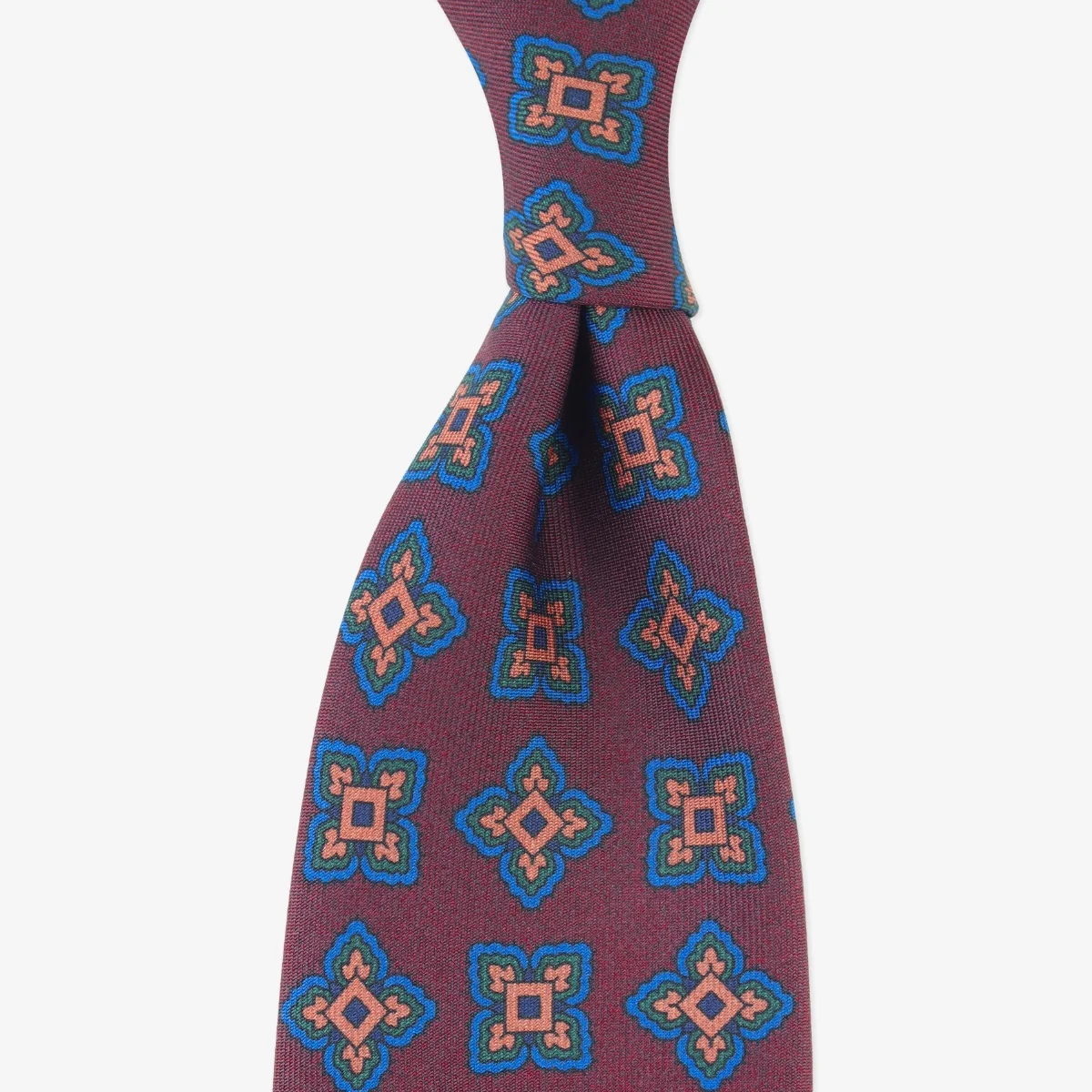
Shantung silk has a more irregular surface and a relaxed character, making it a good match for linen, cotton and softly constructed jackets. Ancient madder ties are known for their muted colors and soft appearance, which complement tweed, flannel and other autumn and winter fabrics. Repp stripes offer a traditional look that suits business and club-inspired outfits, while floral, medallion and jacquard designs can add more personality to a simple shirt and jacket combination.
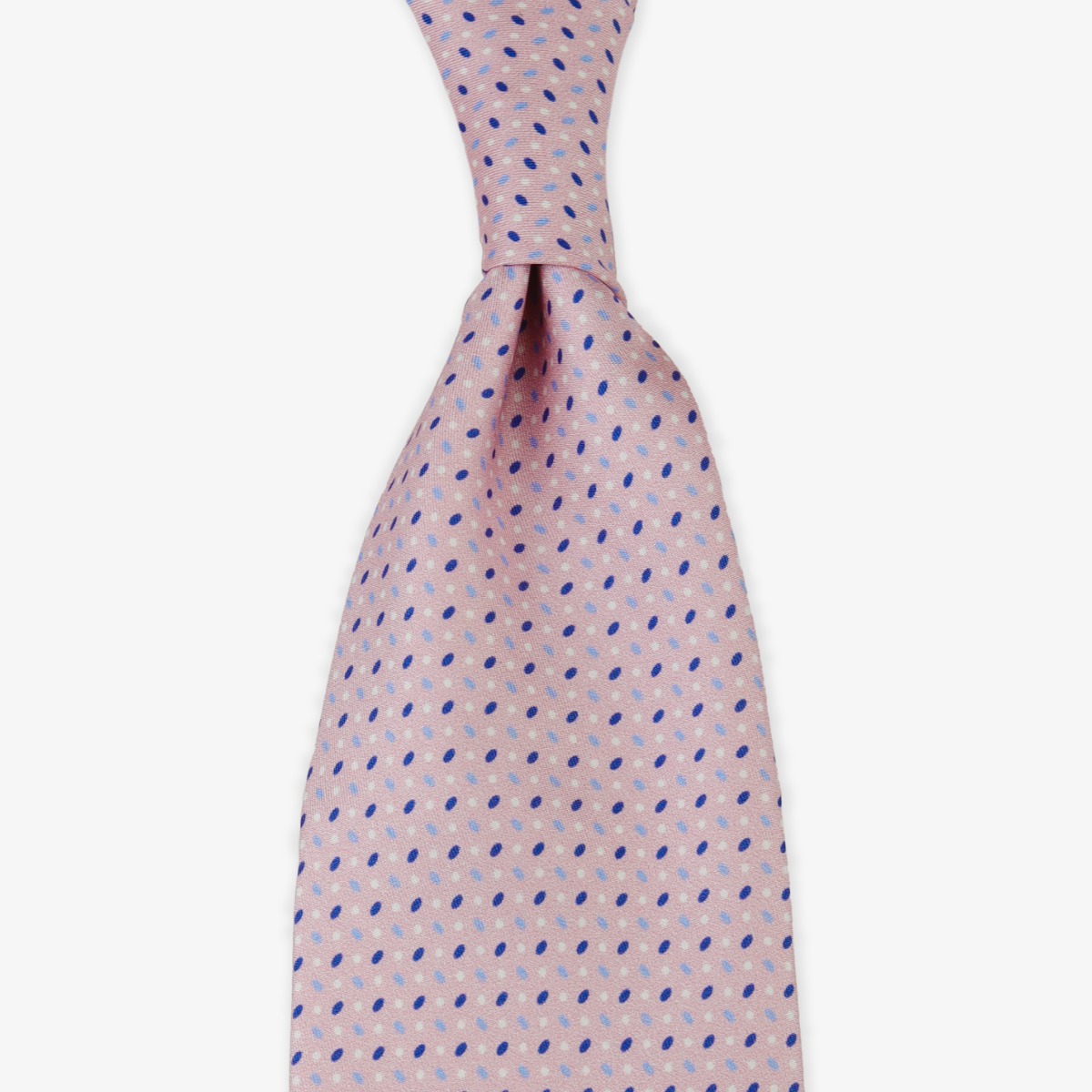
When wearing a patterned suit or shirt, choose a restrained tie with a different pattern scale so the elements do not compete. A plain or subtly textured tie is usually the safest option with checked tailoring, while a patterned tie can work particularly well with a solid-colored suit and shirt.
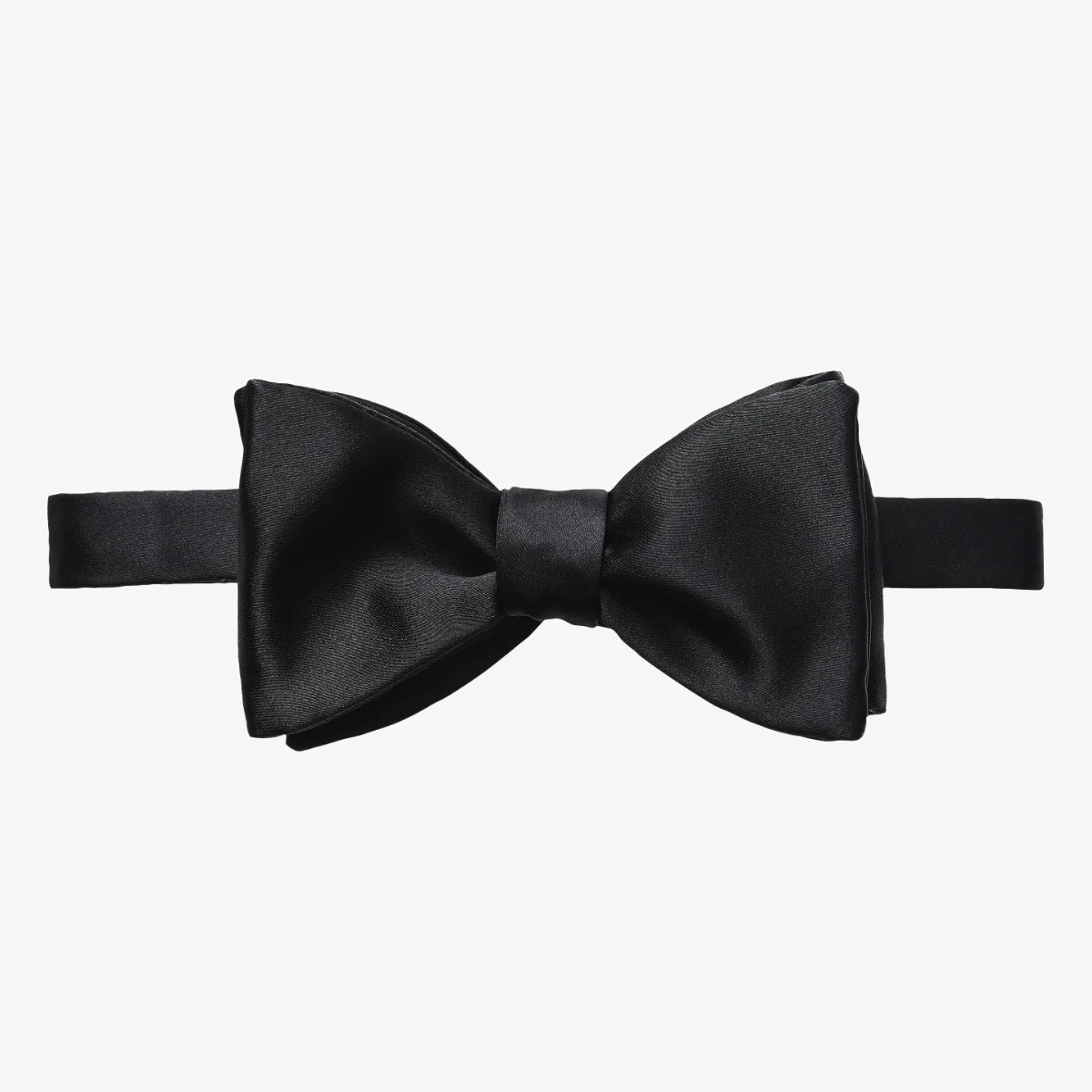
The width and proportions of the tie should also suit the rest of the outfit. A balanced tie width works naturally with classic lapels and standard shirt collars, creating a coherent appearance. Whether chosen for business, a wedding, a formal event or a smart-casual blazer outfit, the best tie is one that complements the clothing around it rather than becoming the only focus.