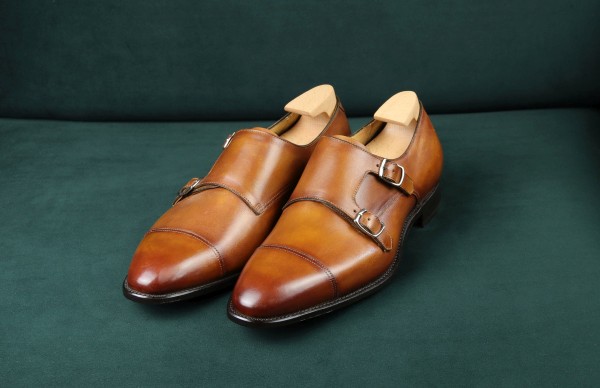
Choosing Men’s Clothing
A practical men’s wardrobe begins with clothing that fits properly, works across several settings and can be combined without requiring a separate outfit for every occasion. Shirts, trousers, knitwear, jeans and well-made casual basics form the foundation, while color, fabric and fit determine how formal or relaxed each piece appears.
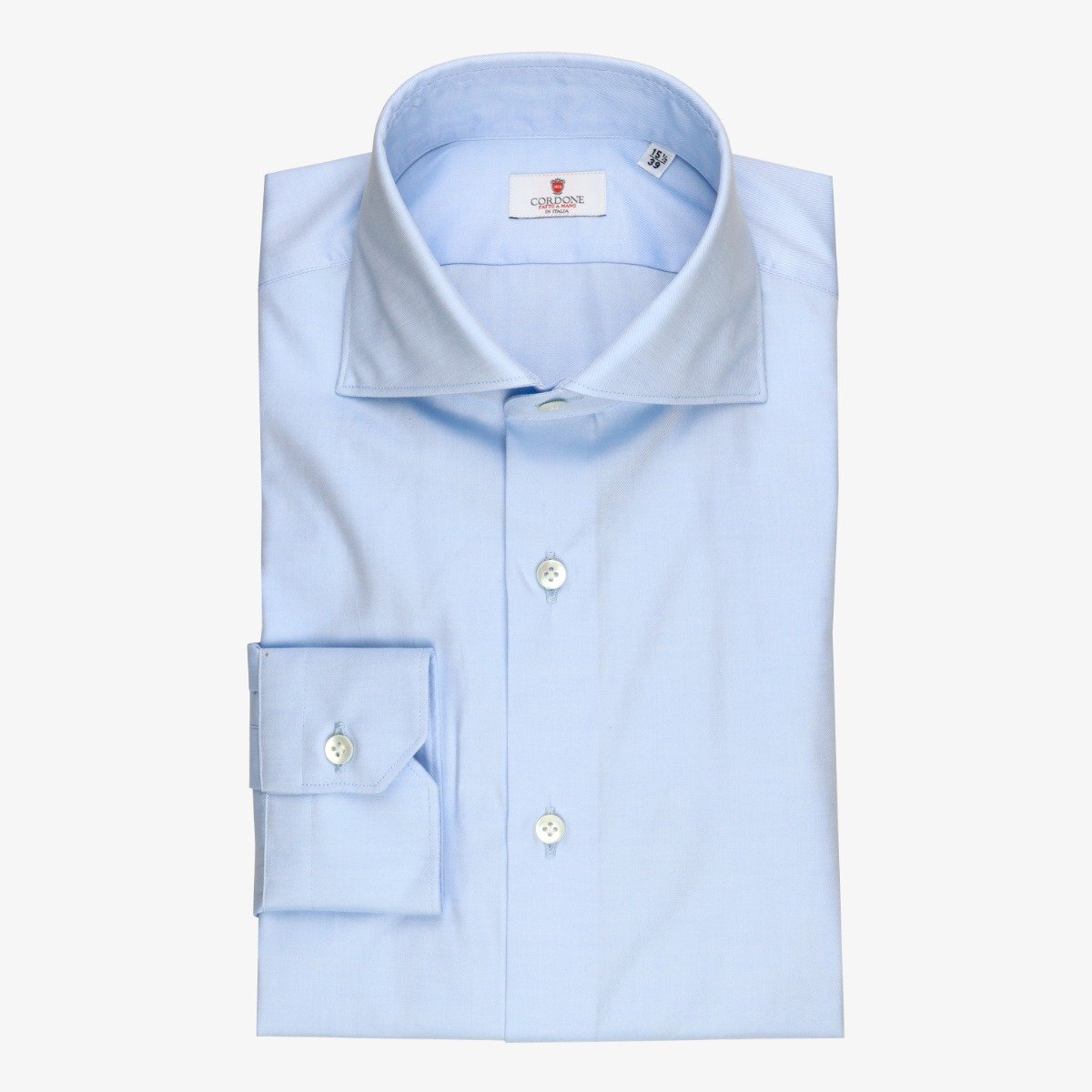
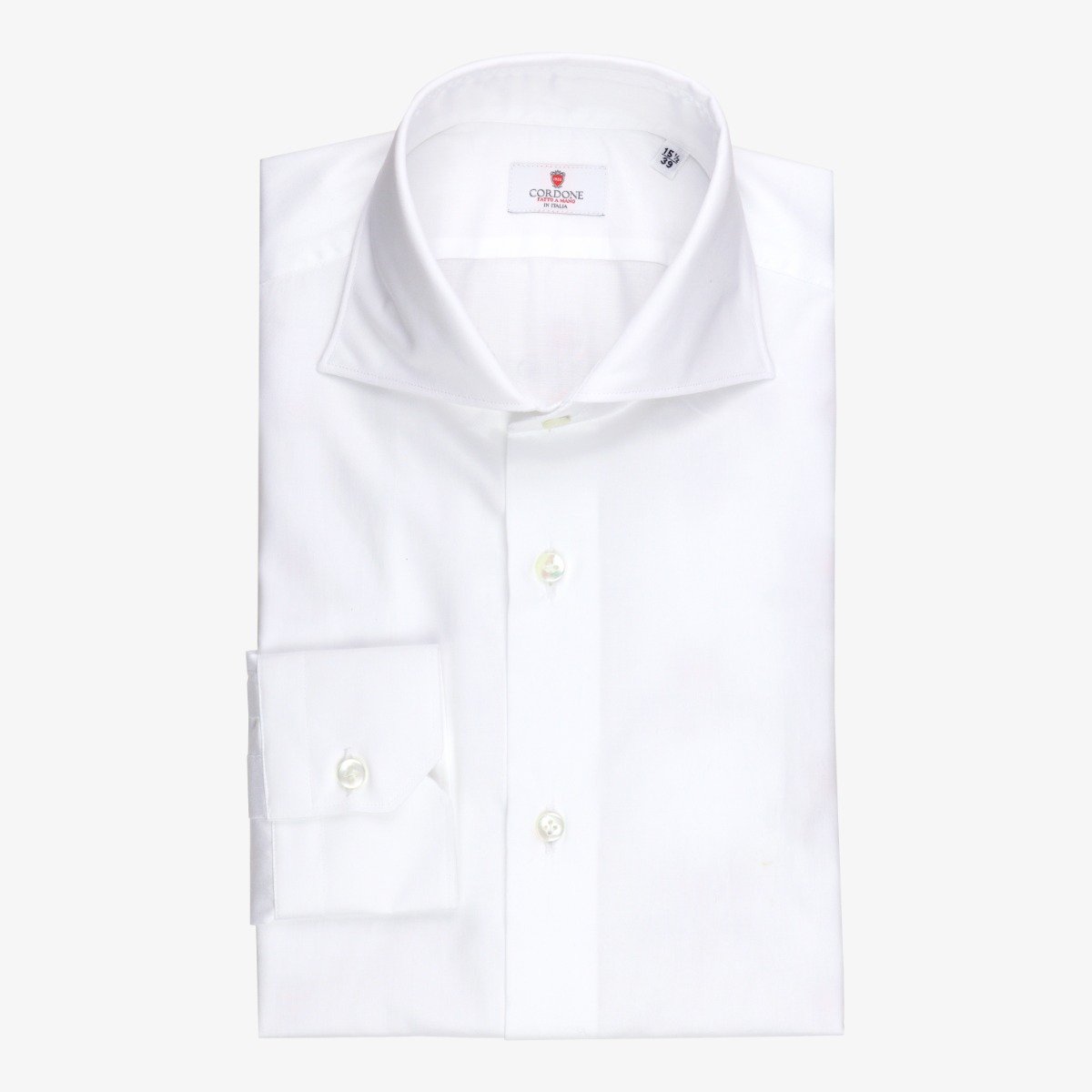
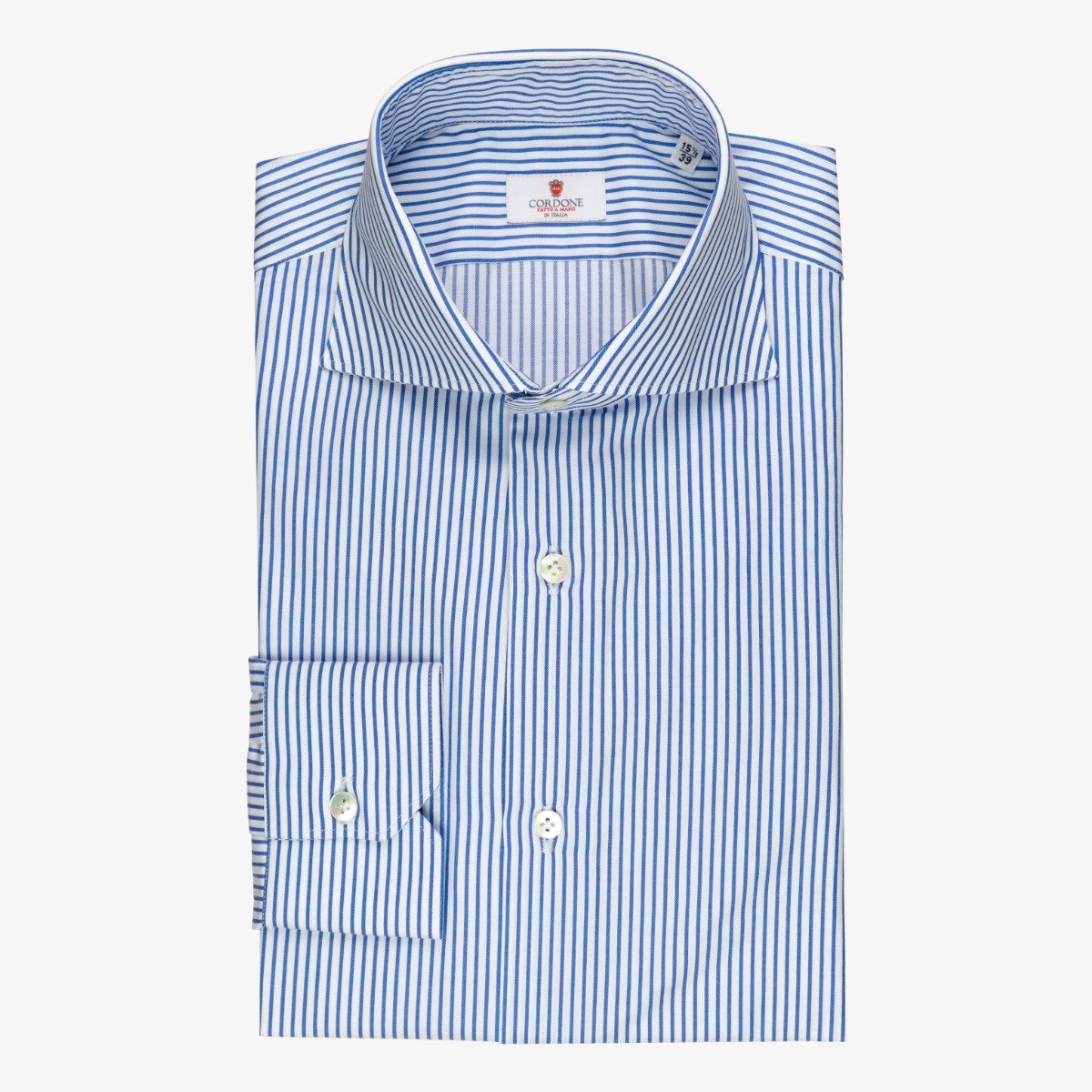
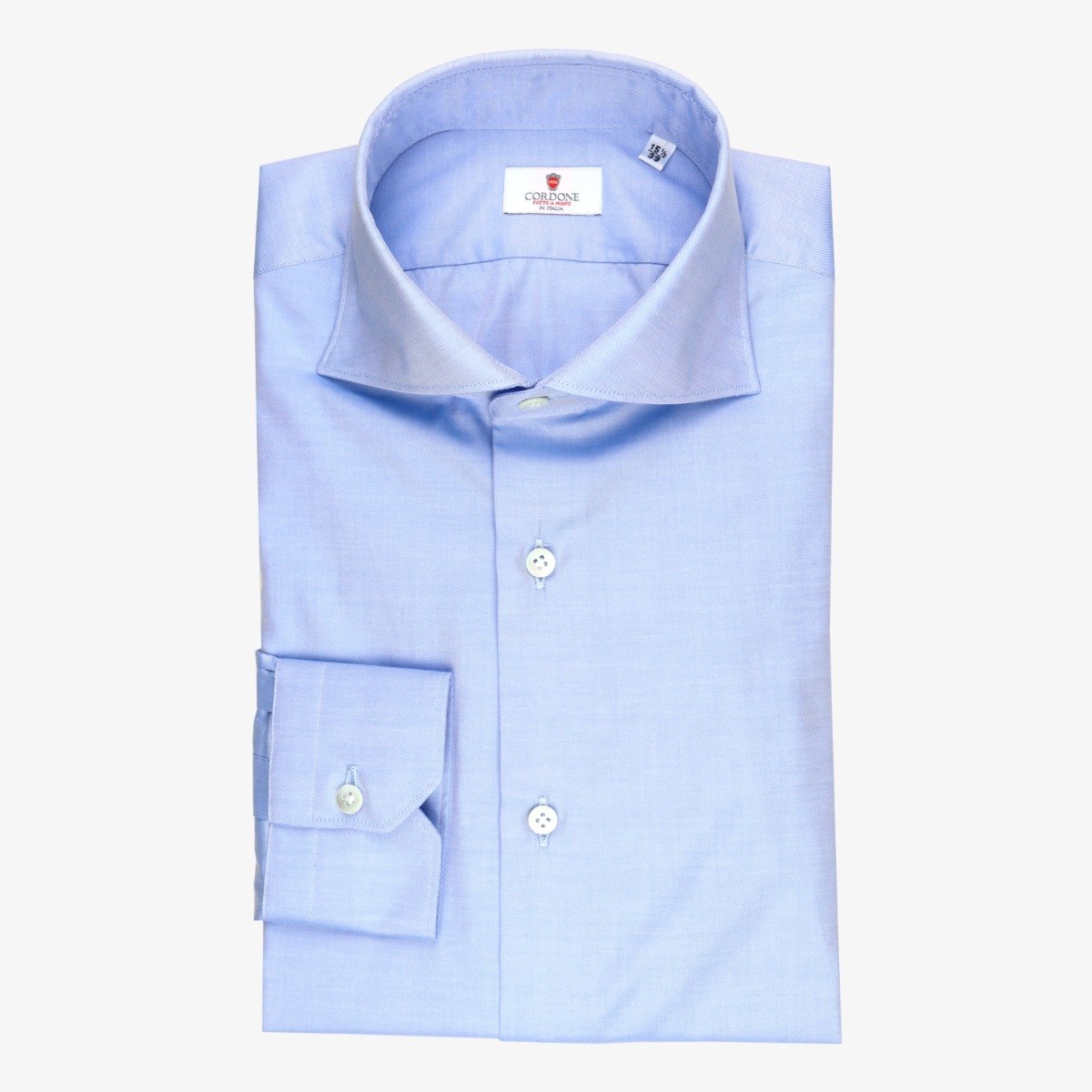
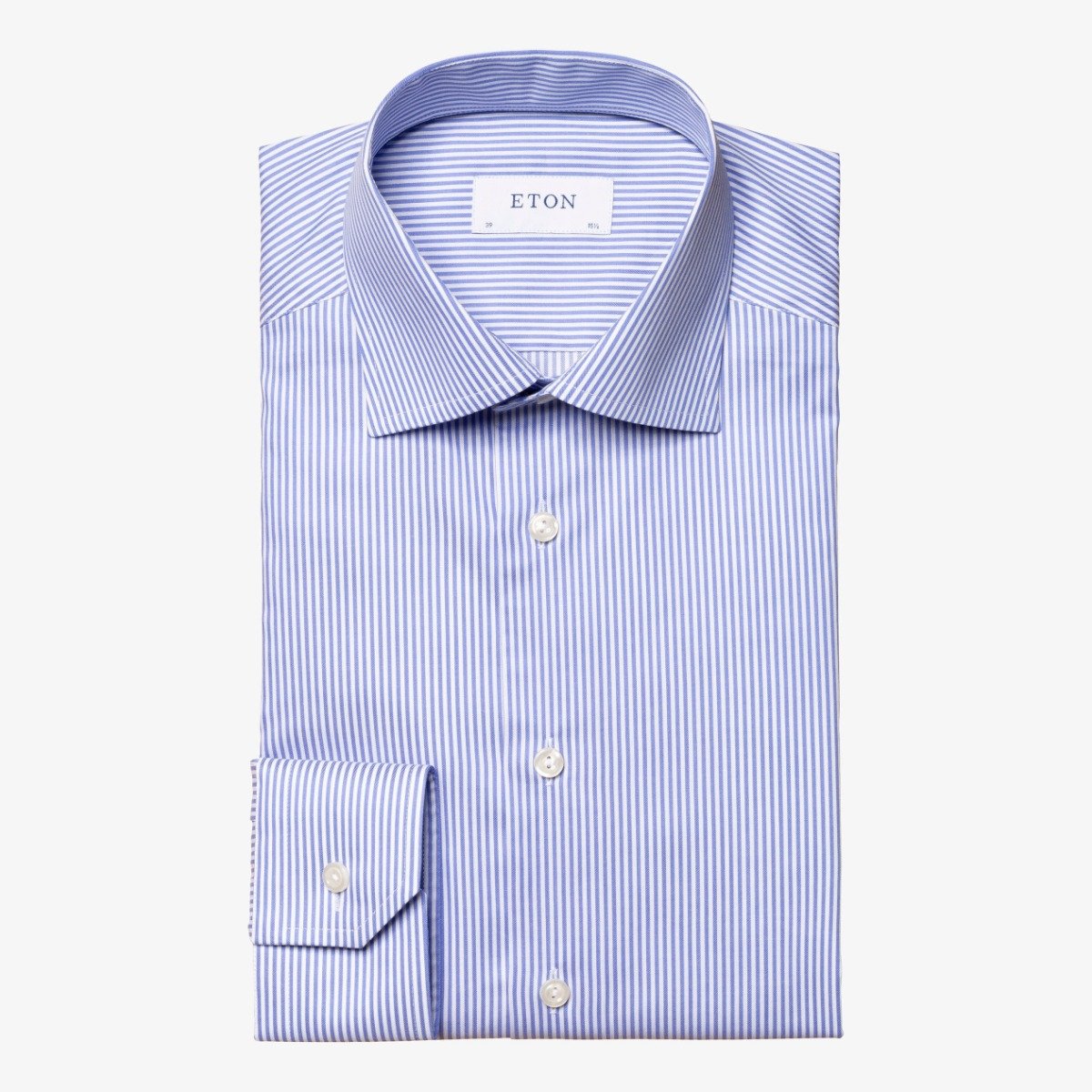
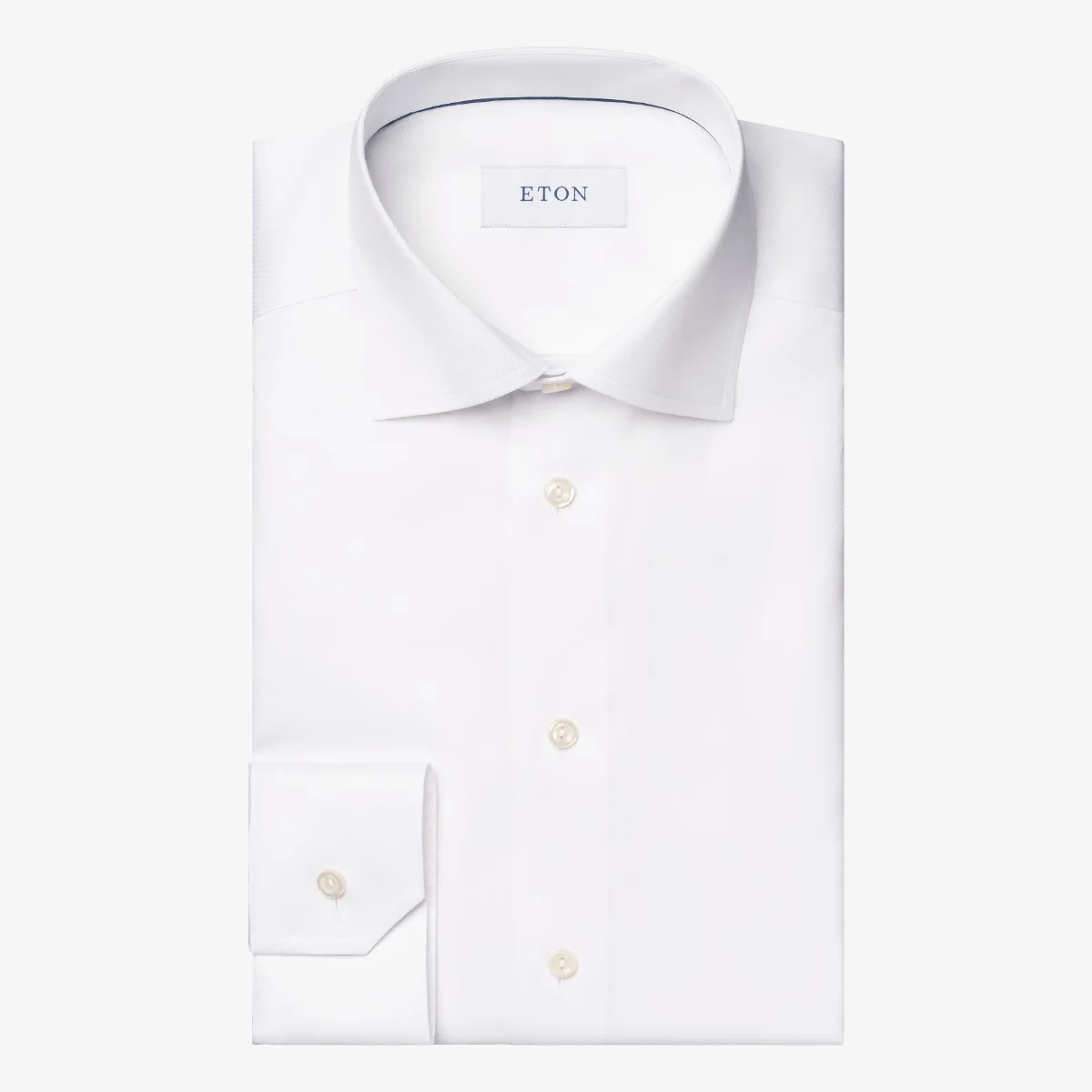
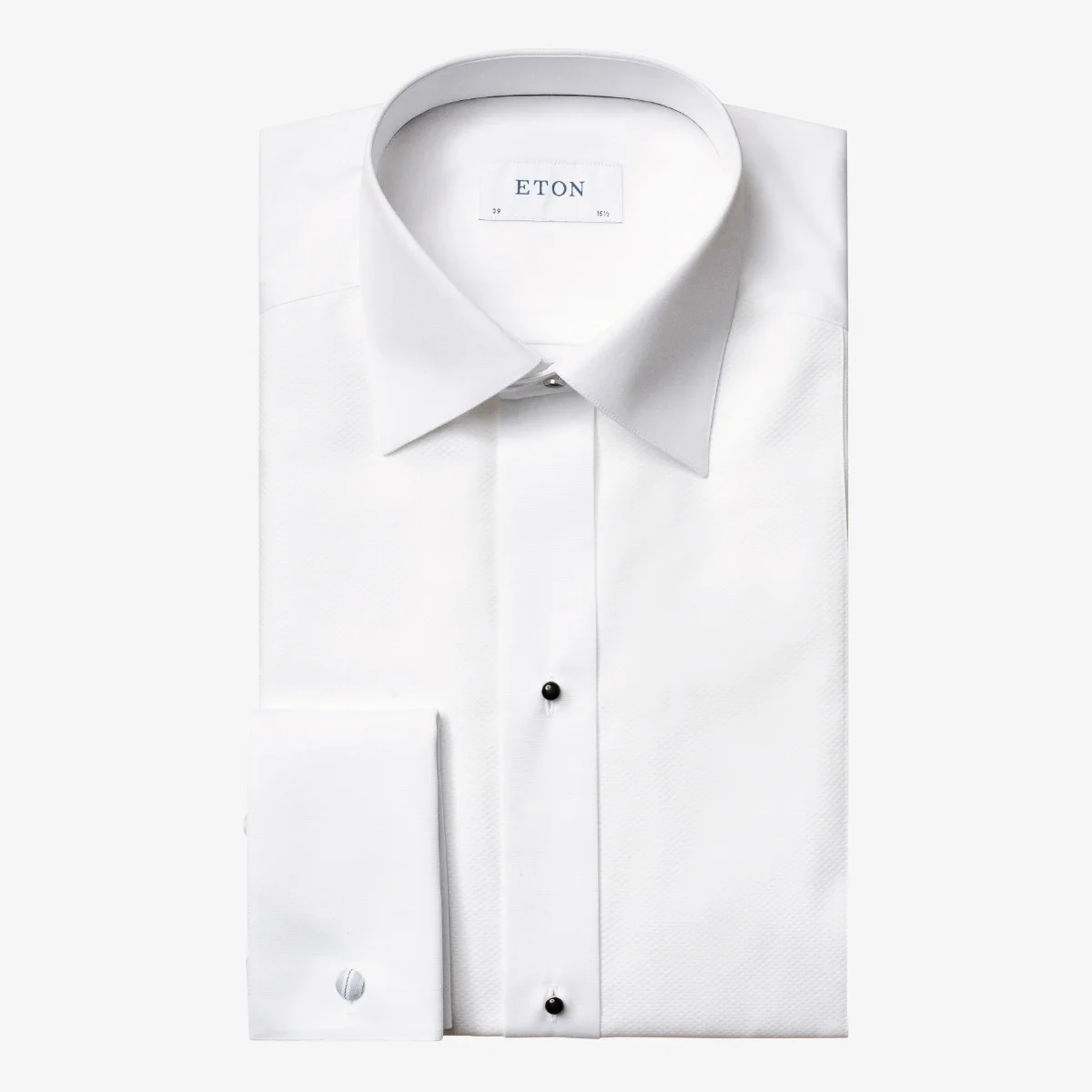
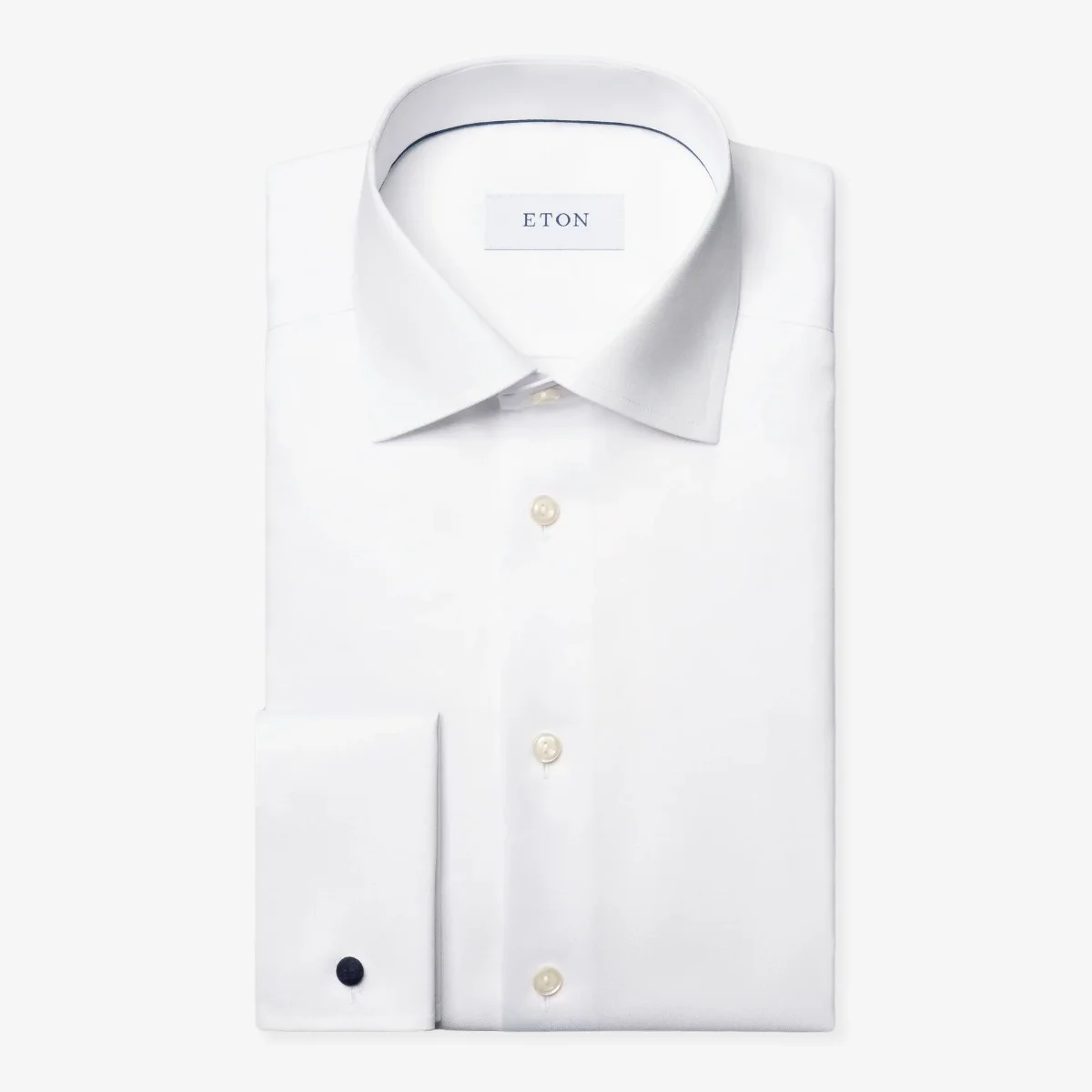
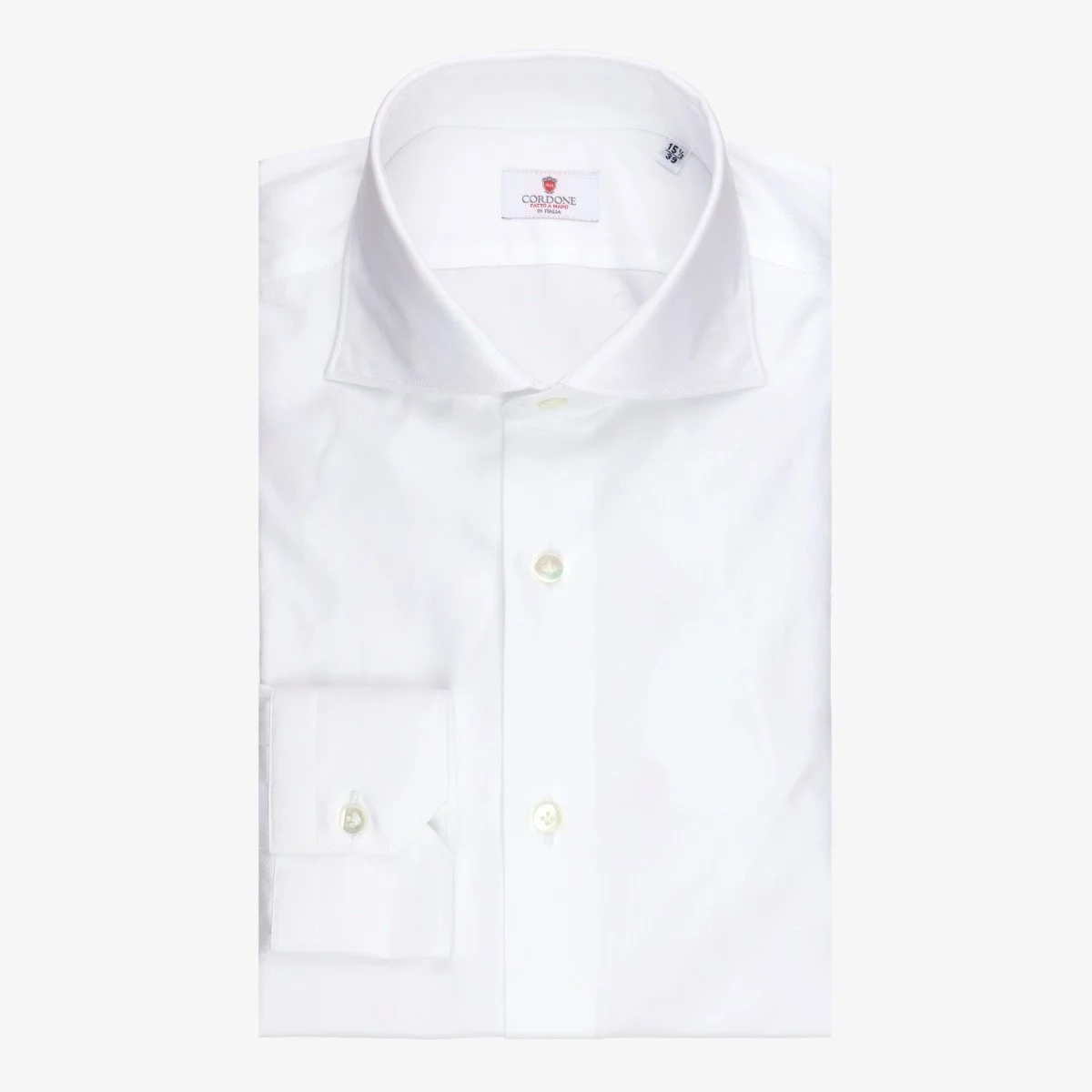
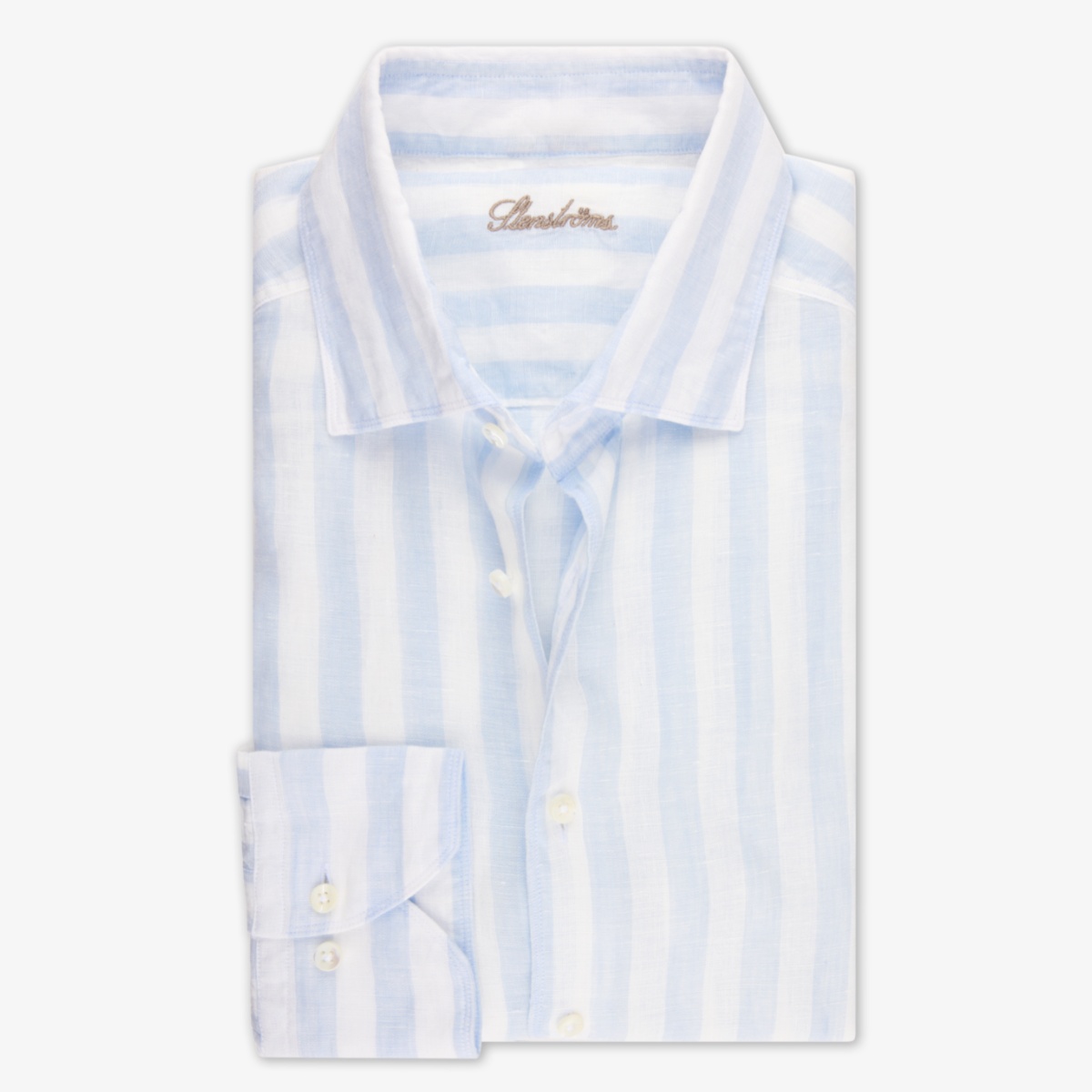
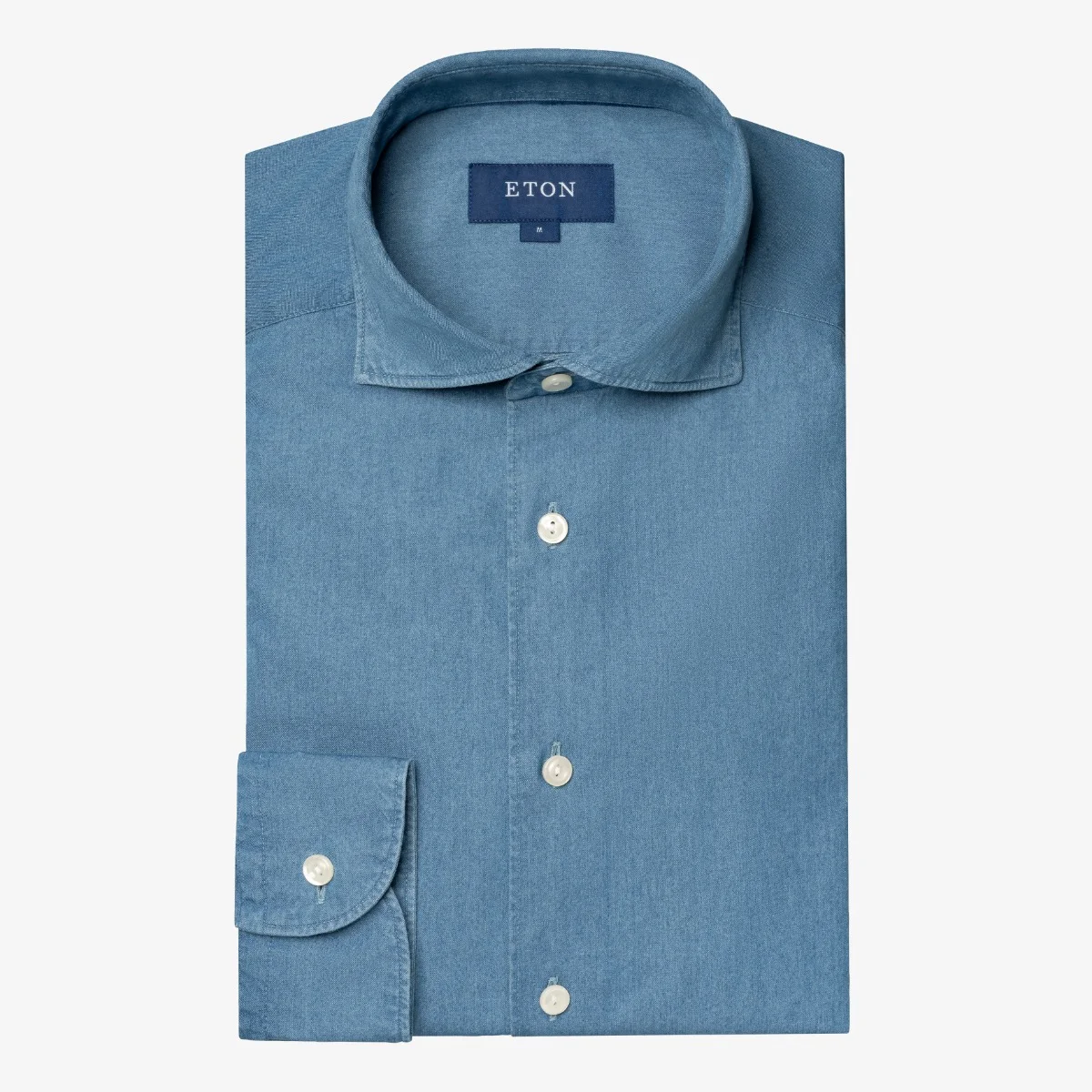
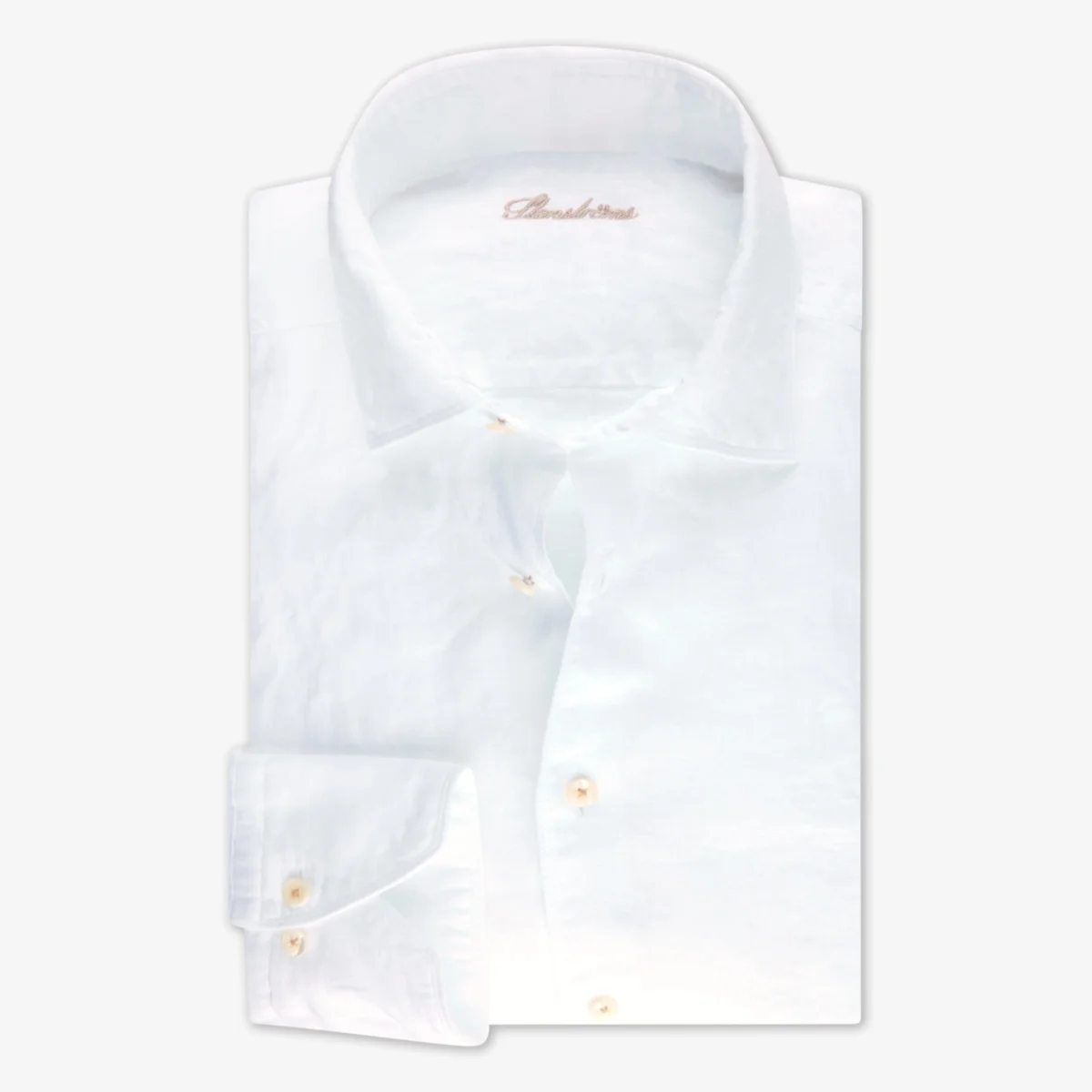
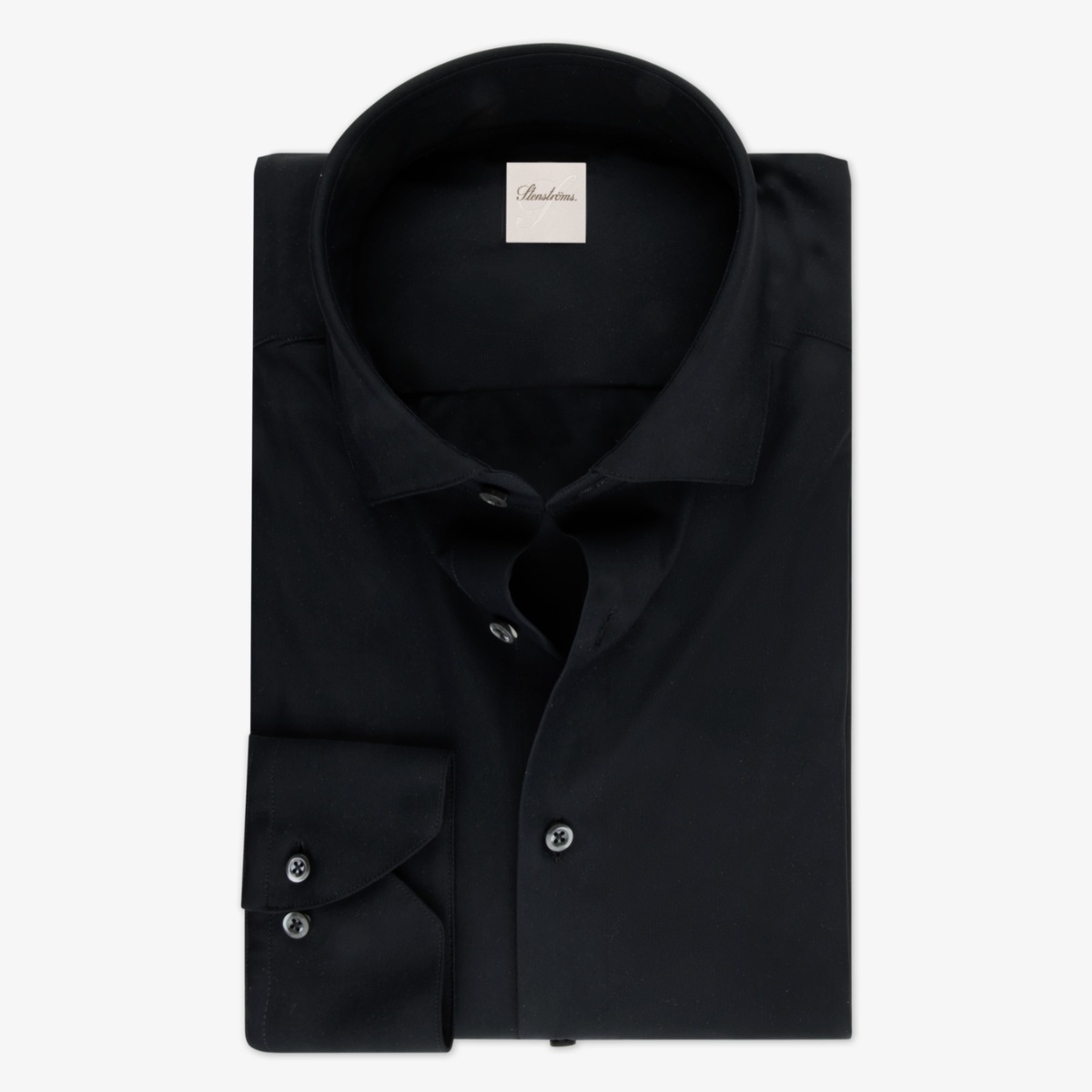
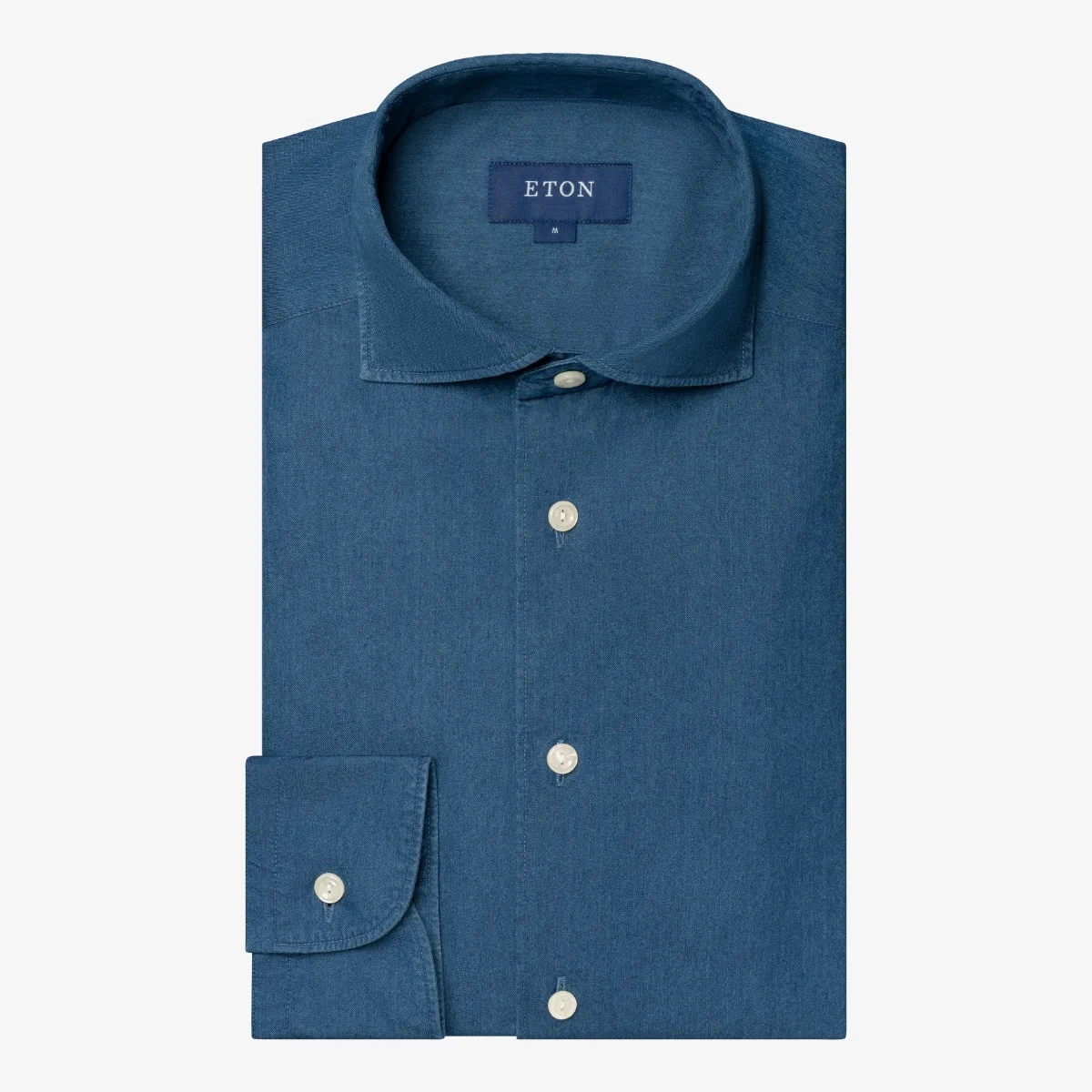
Dress shirts are designed primarily for tailoring and more polished outfits. White and light blue shirts are the most versatile choices for business suits, weddings and formal events, while stripes and restrained patterns introduce more variety. Casual shirts, including denim and button-down styles, work naturally with chinos, jeans, knitwear and less structured jackets.
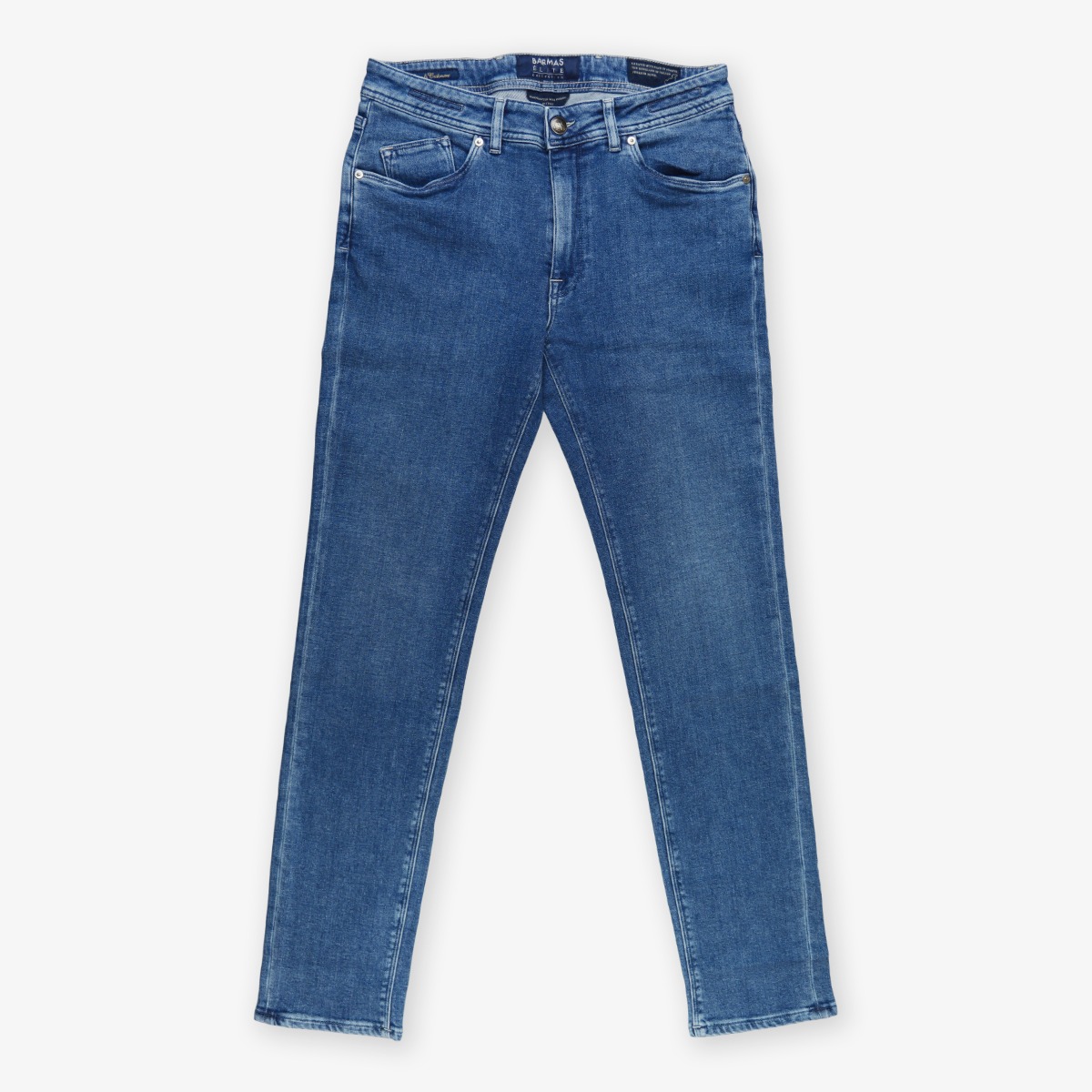
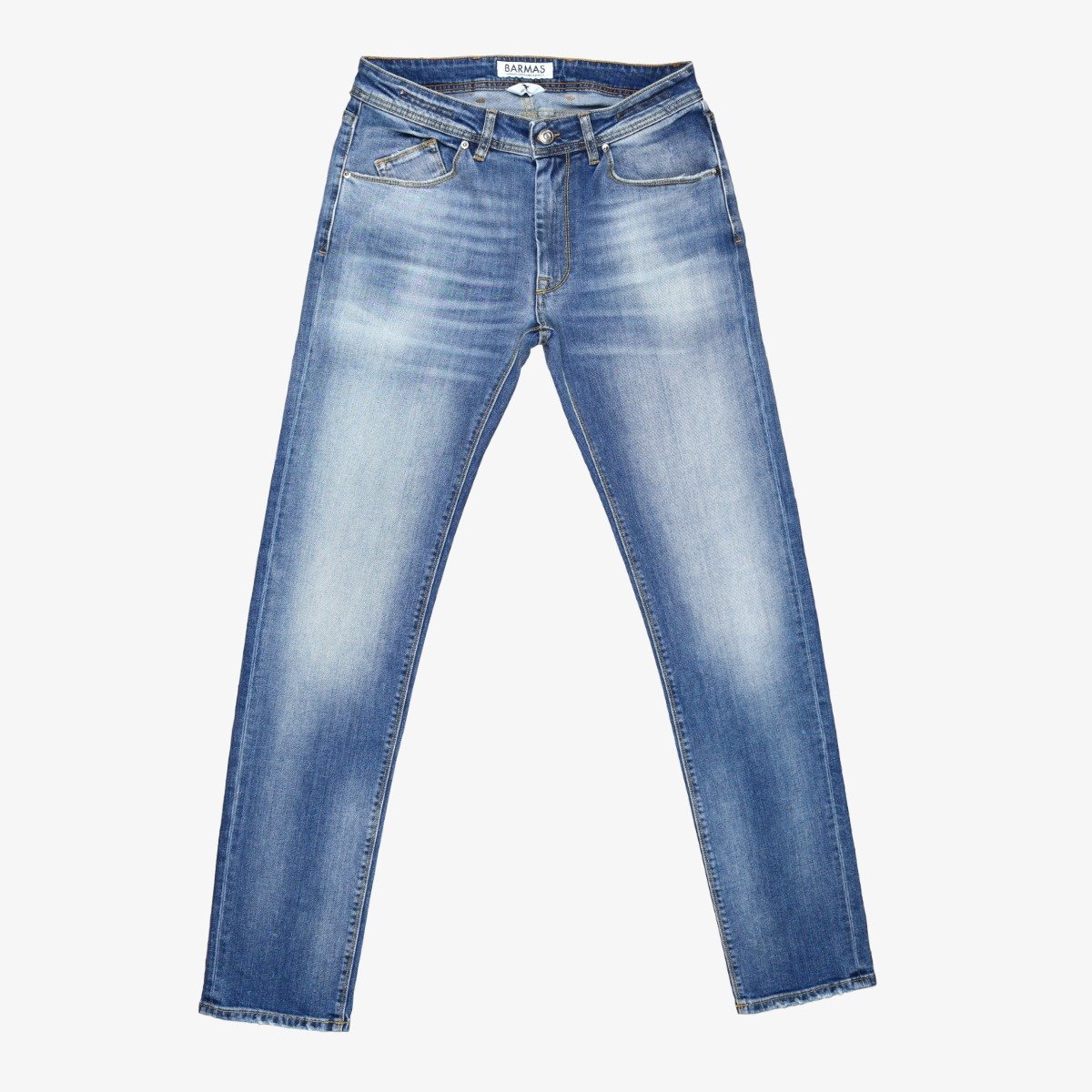
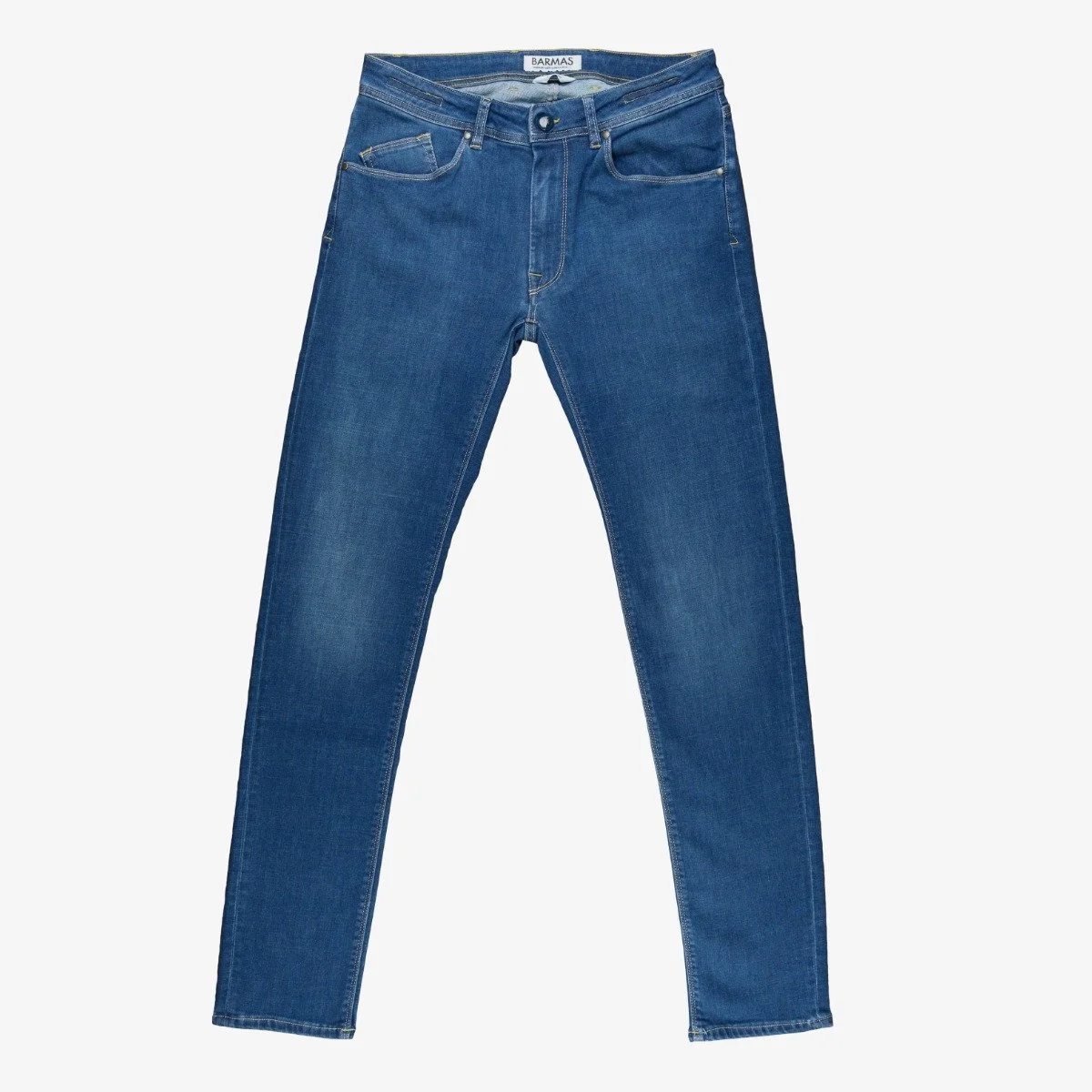
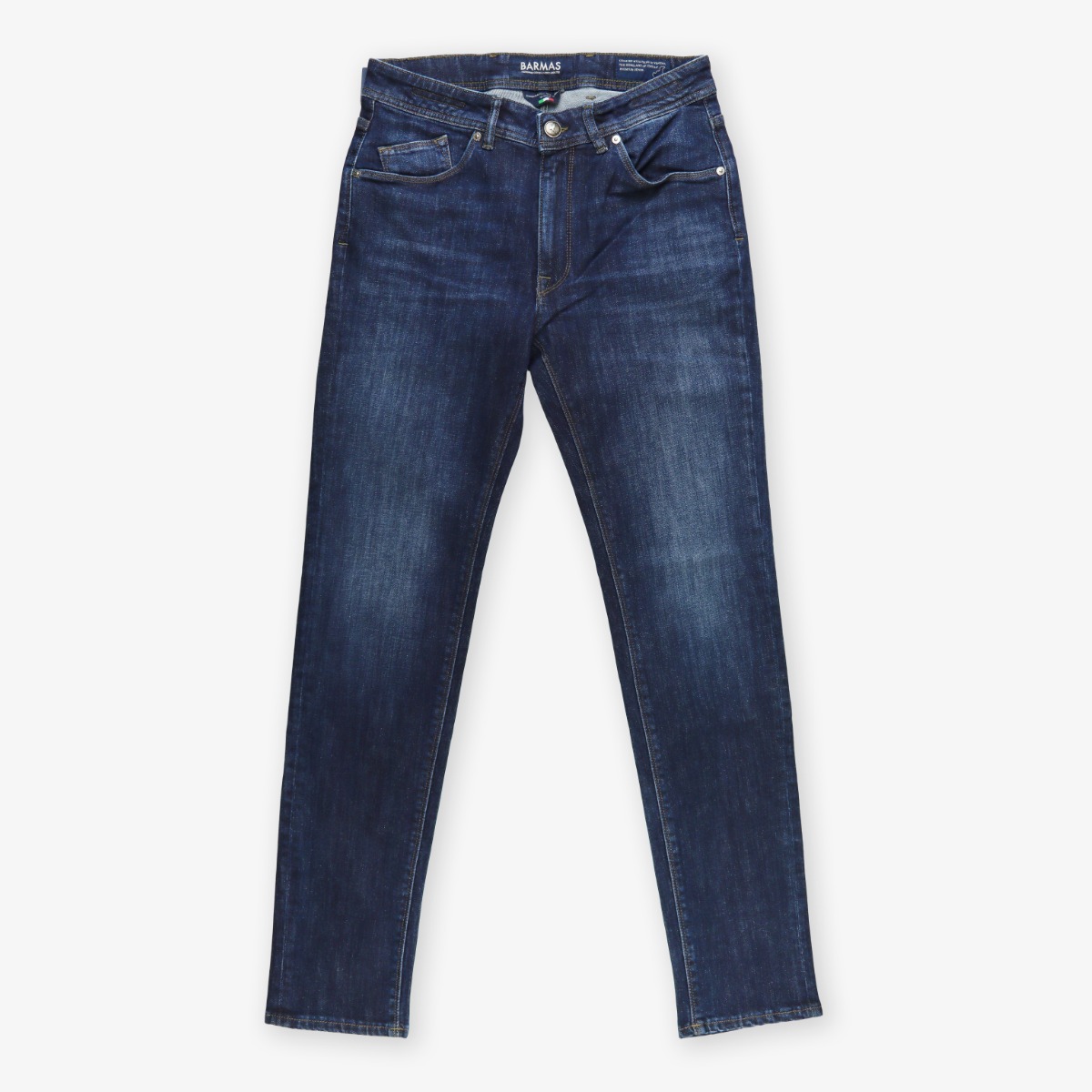
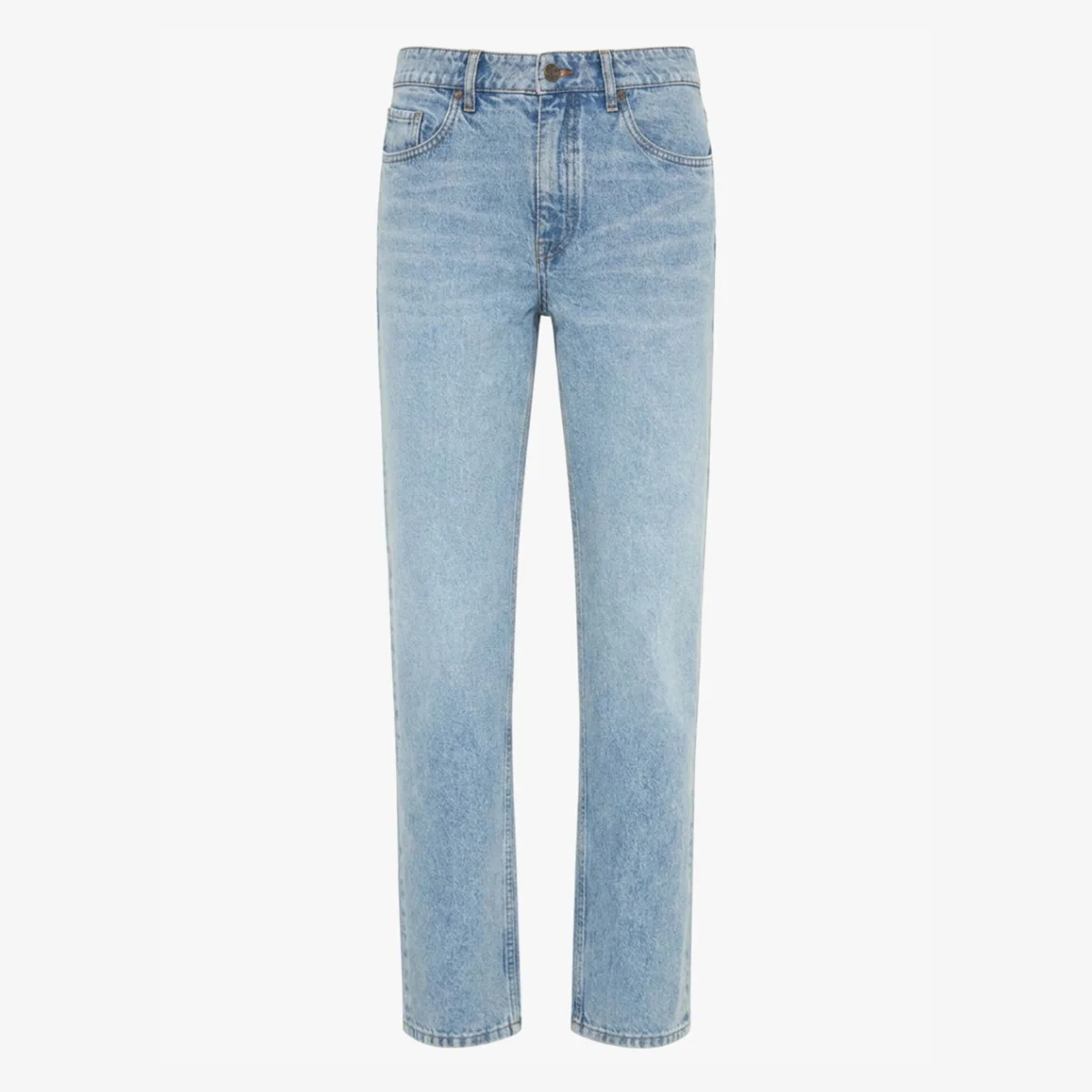
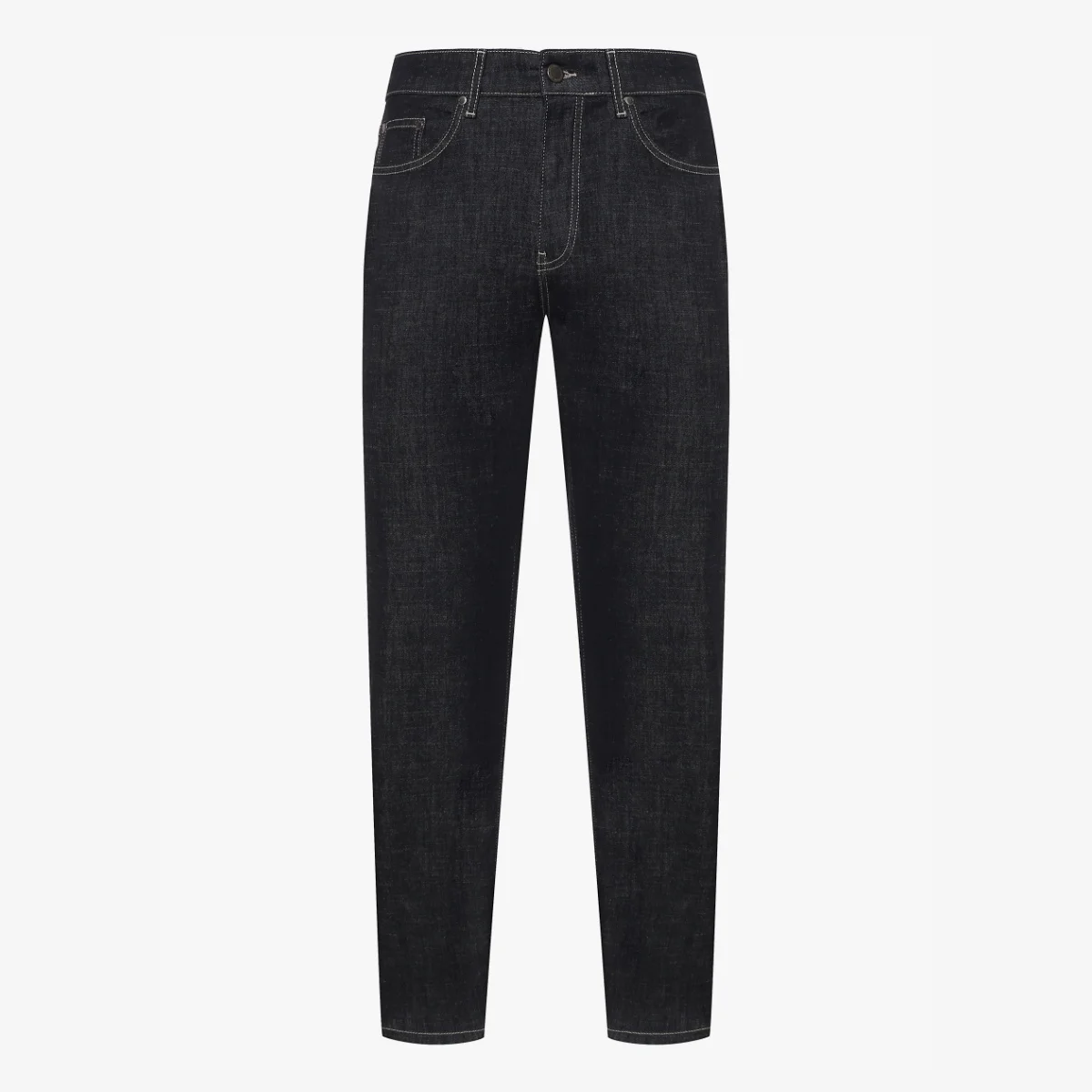
Jeans offer a more relaxed alternative to tailored trousers. Dark blue denim is the easiest to combine with shirts, knitwear and smarter footwear, while lighter washes are better suited to casual outfits. A clean, minimally distressed pair can also work with an unstructured blazer, provided the color and fit remain restrained.
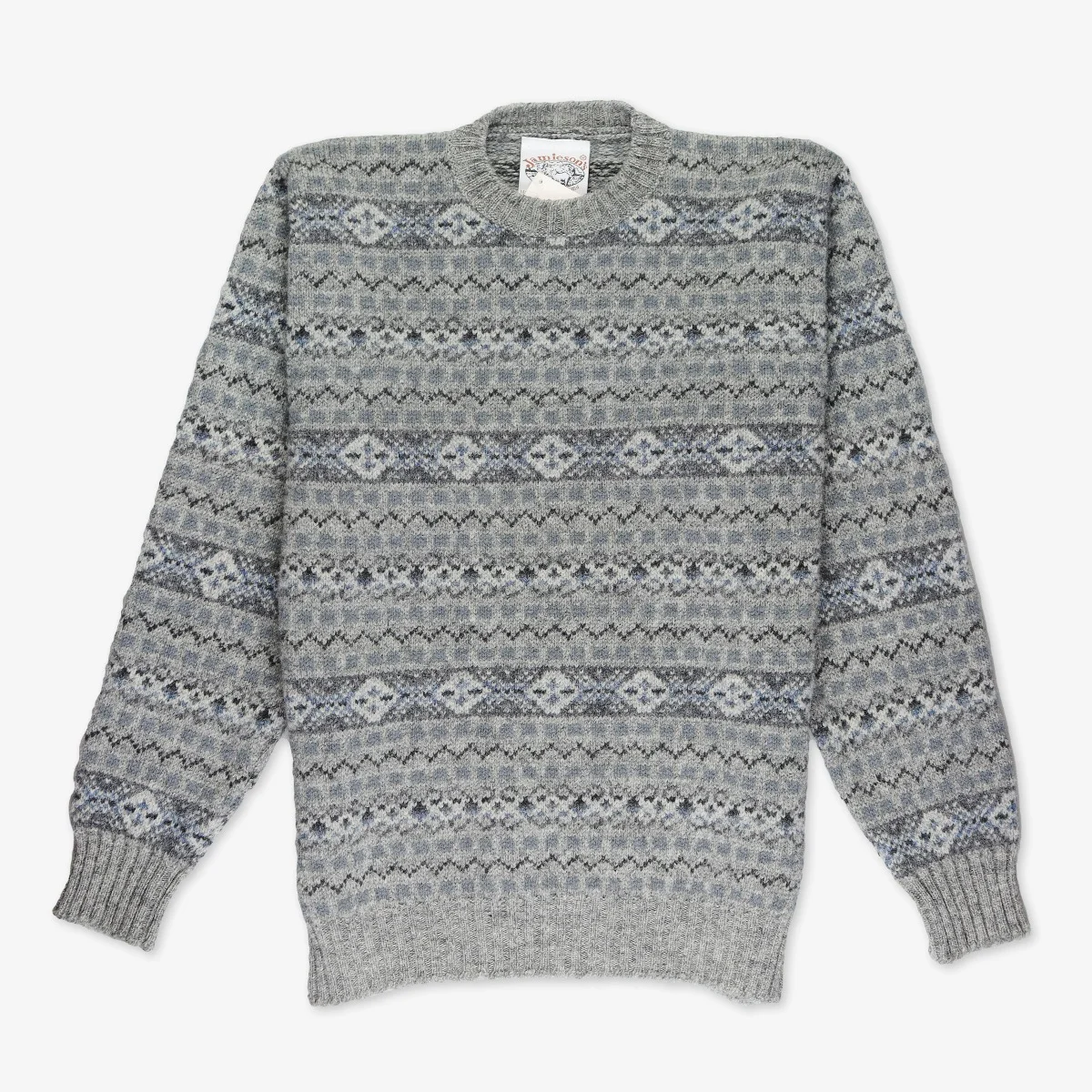
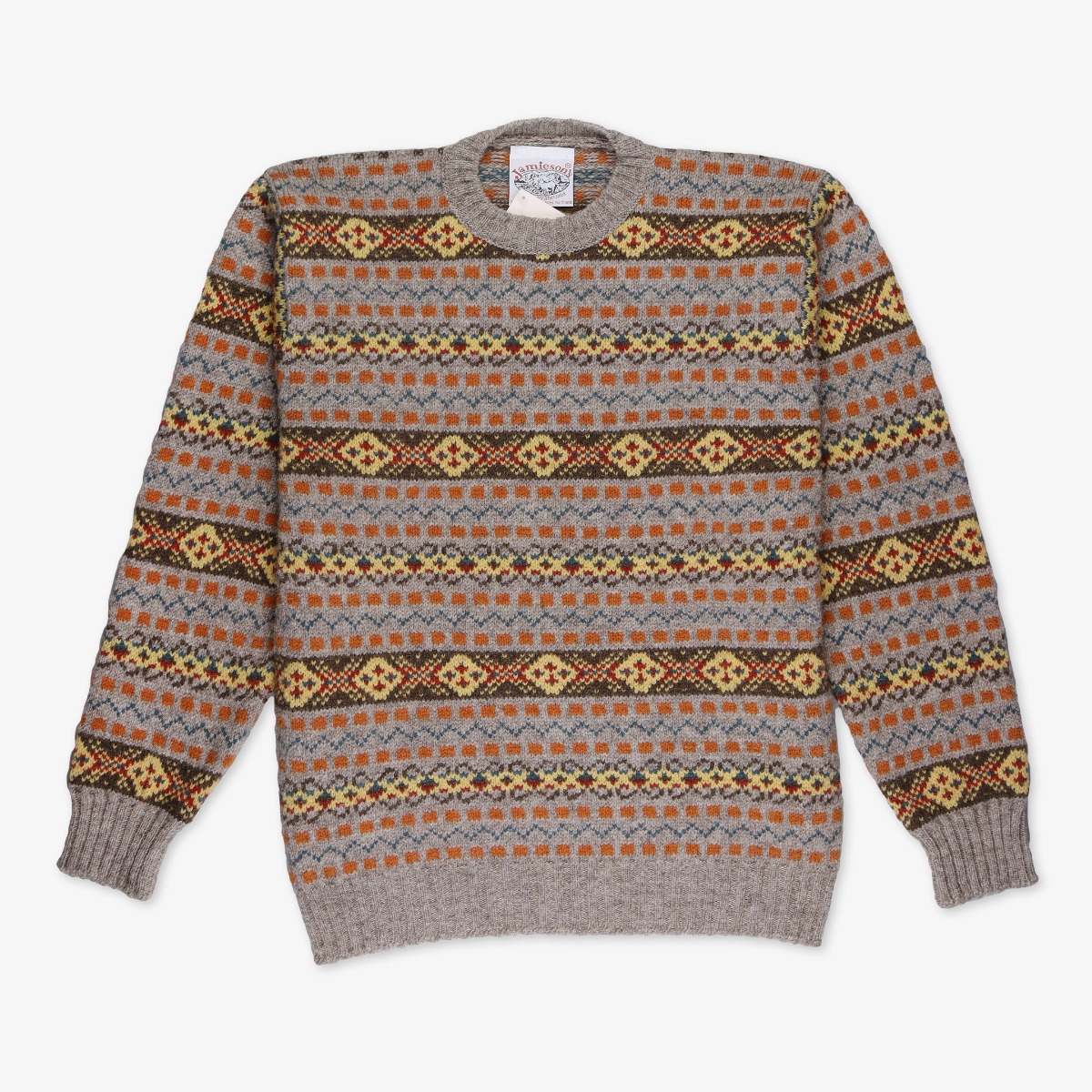
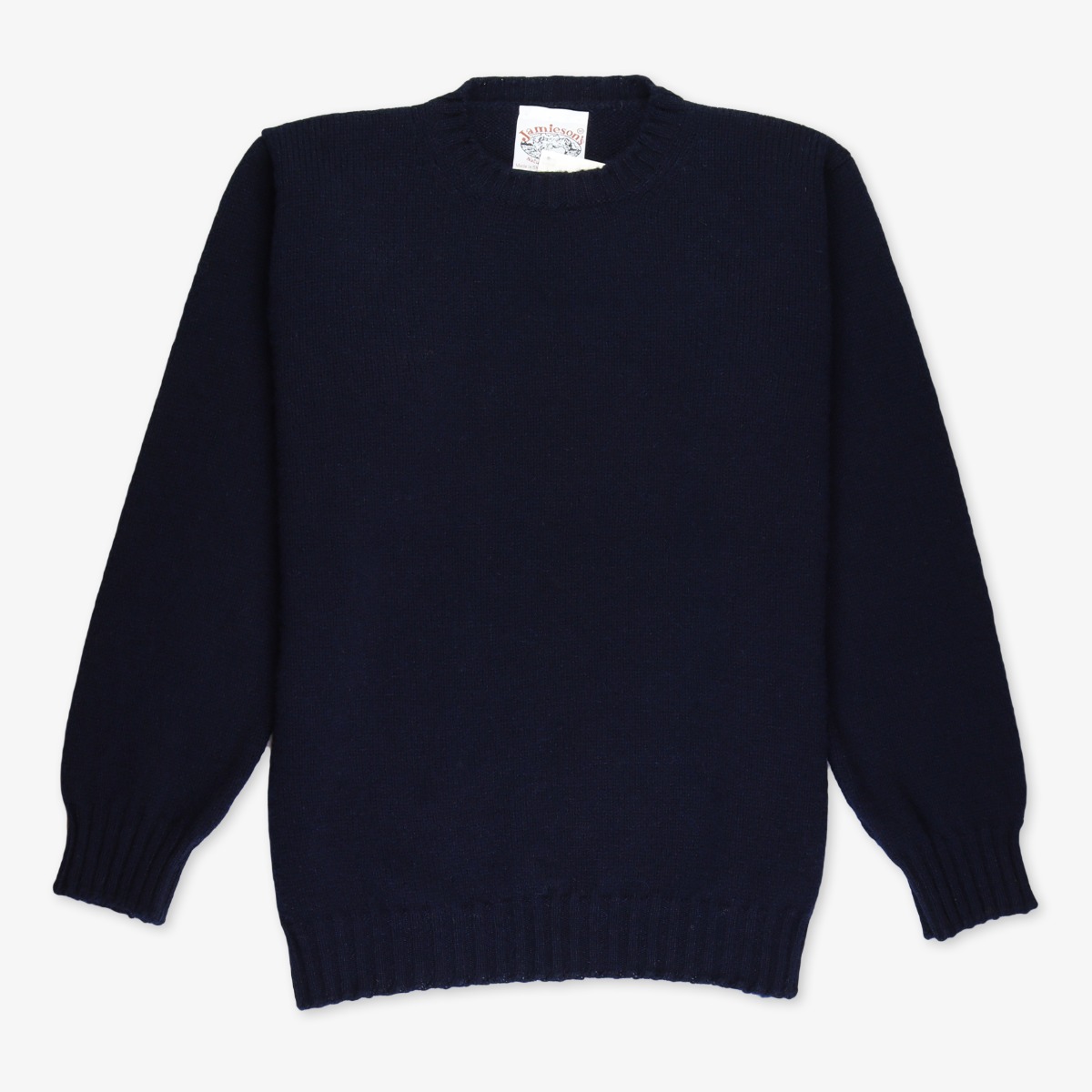
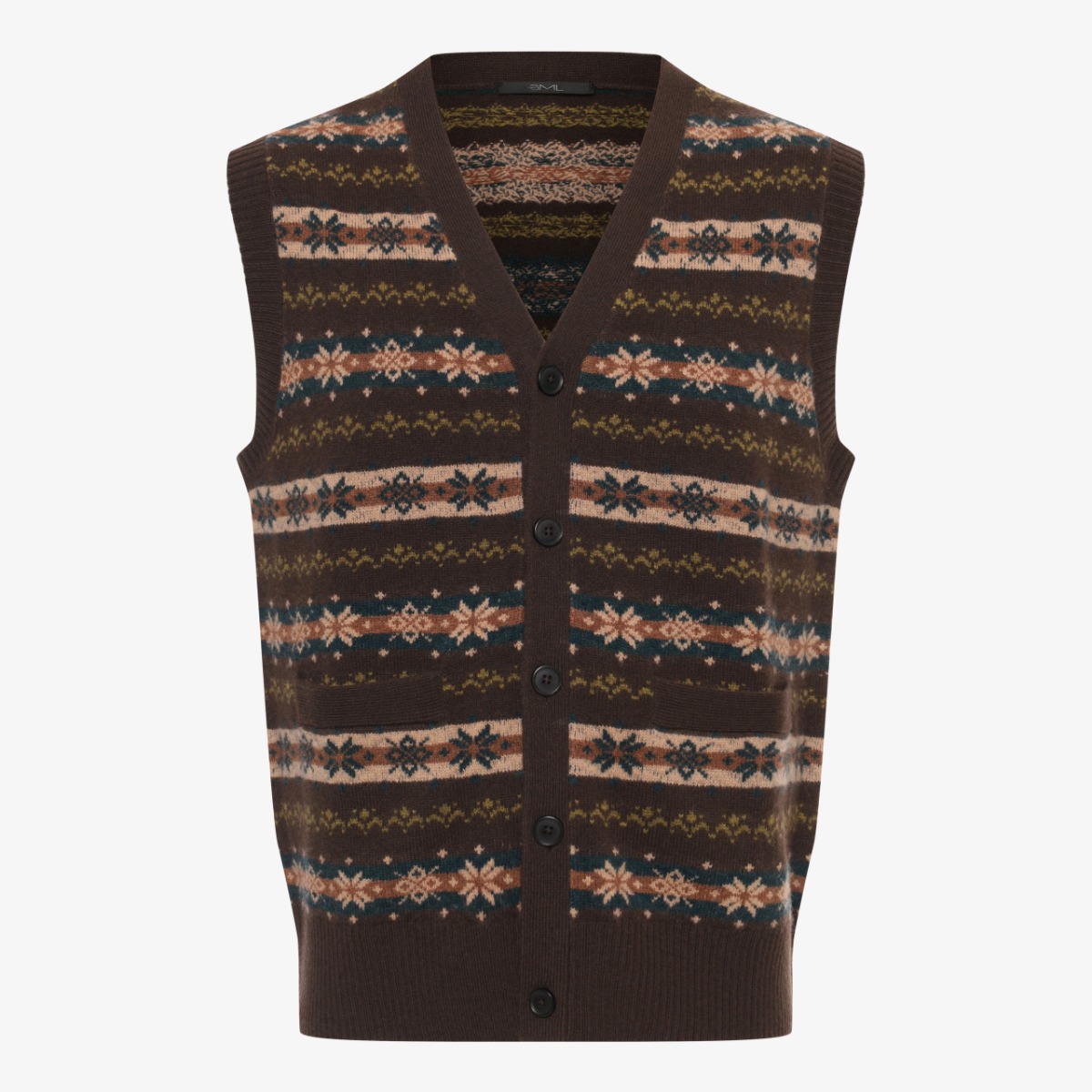
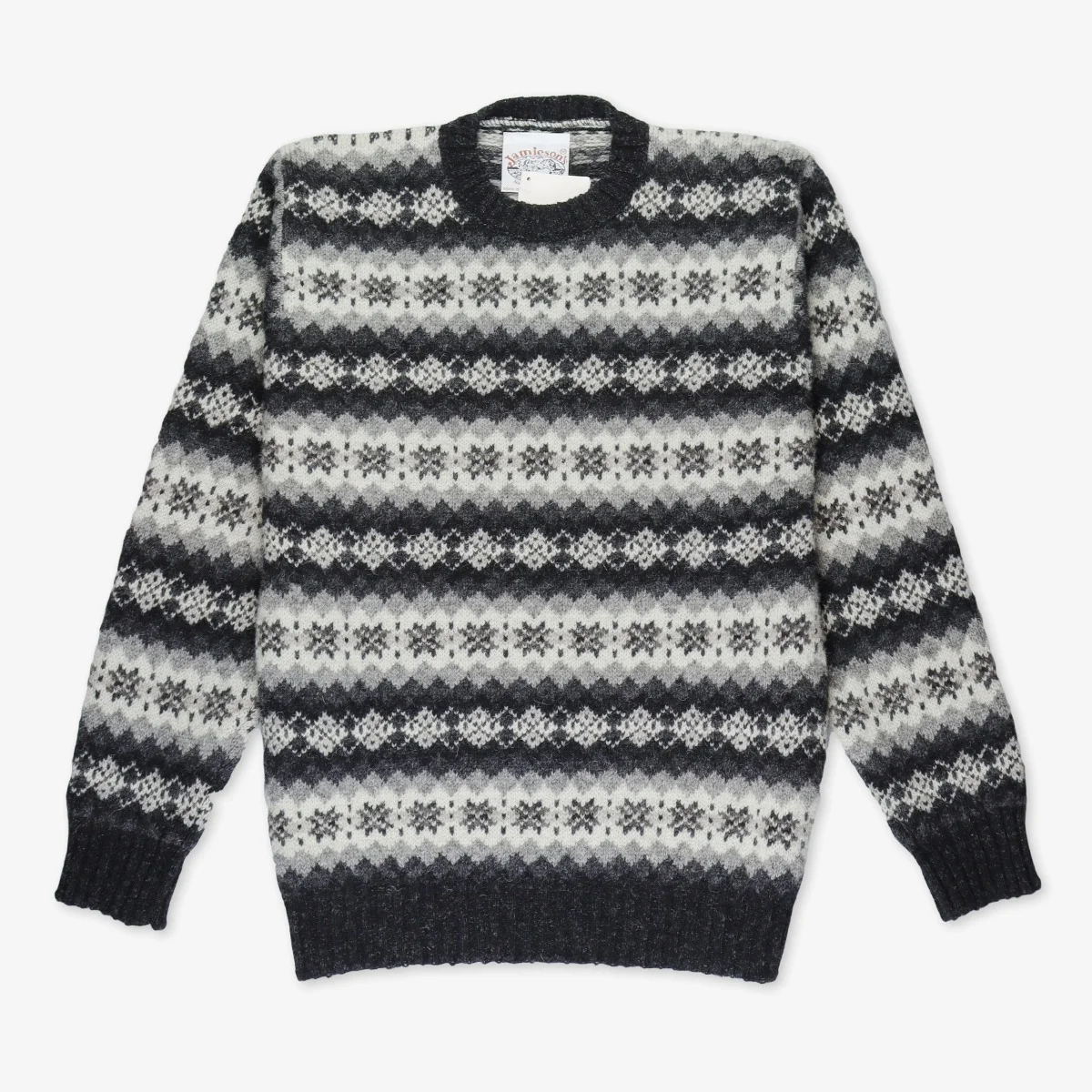
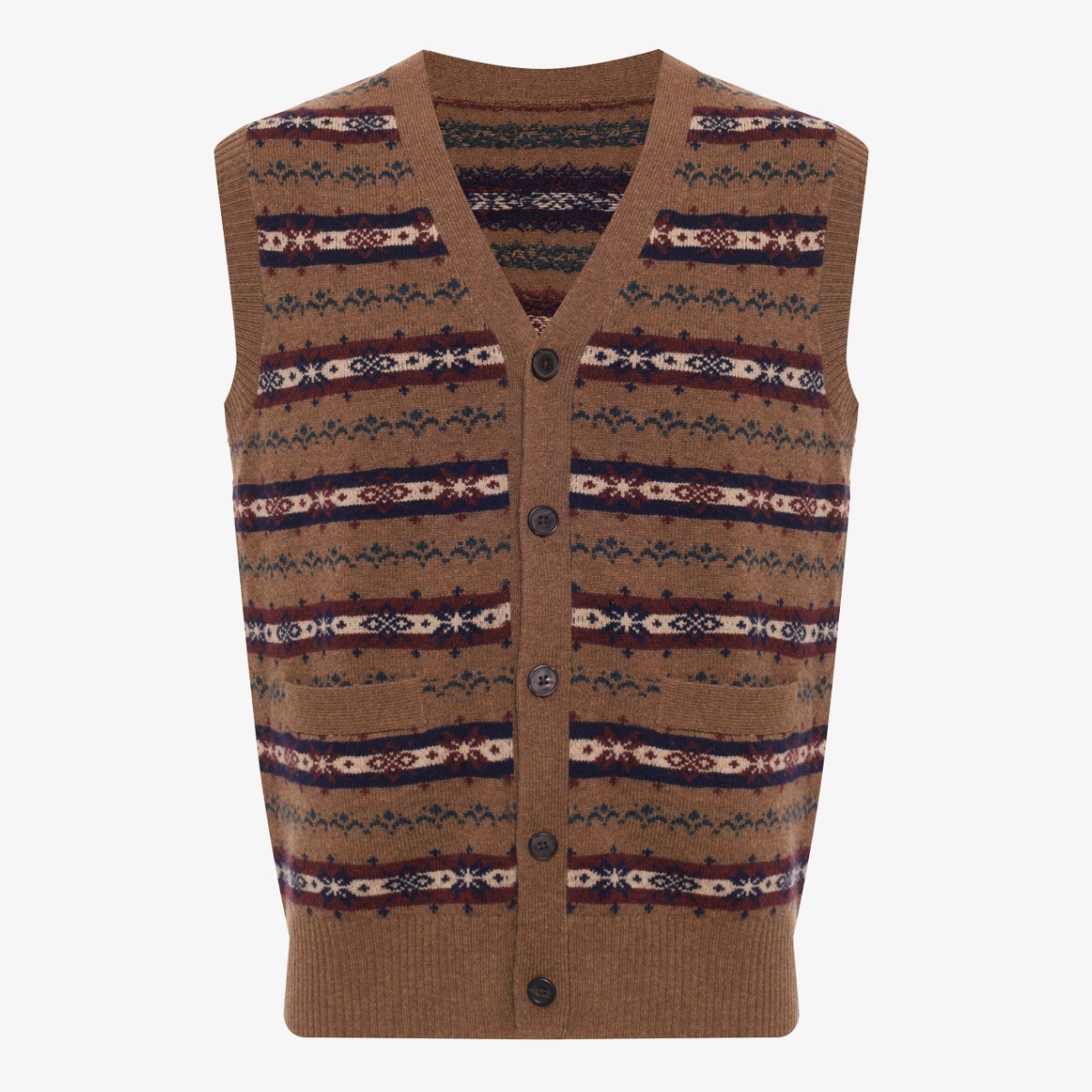
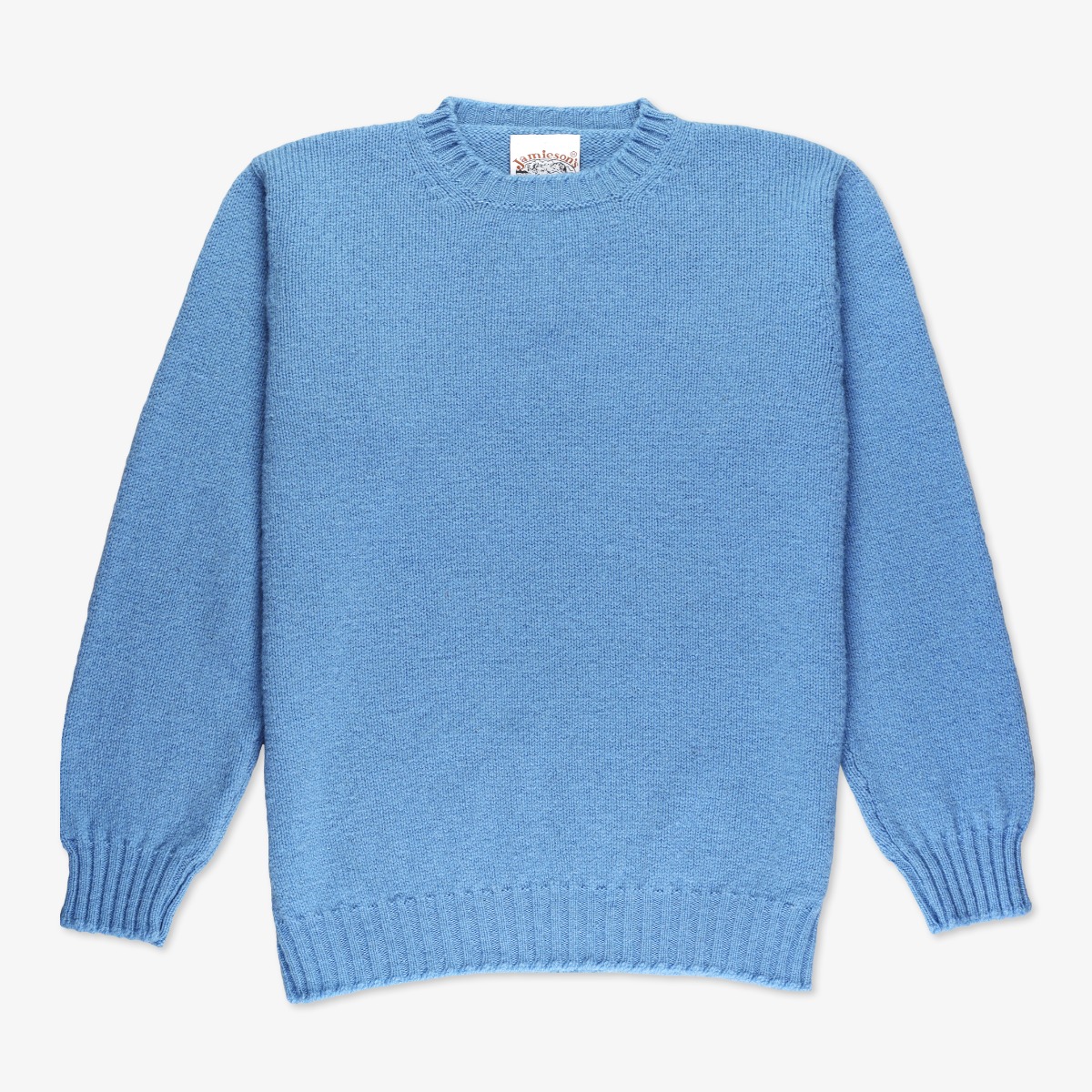
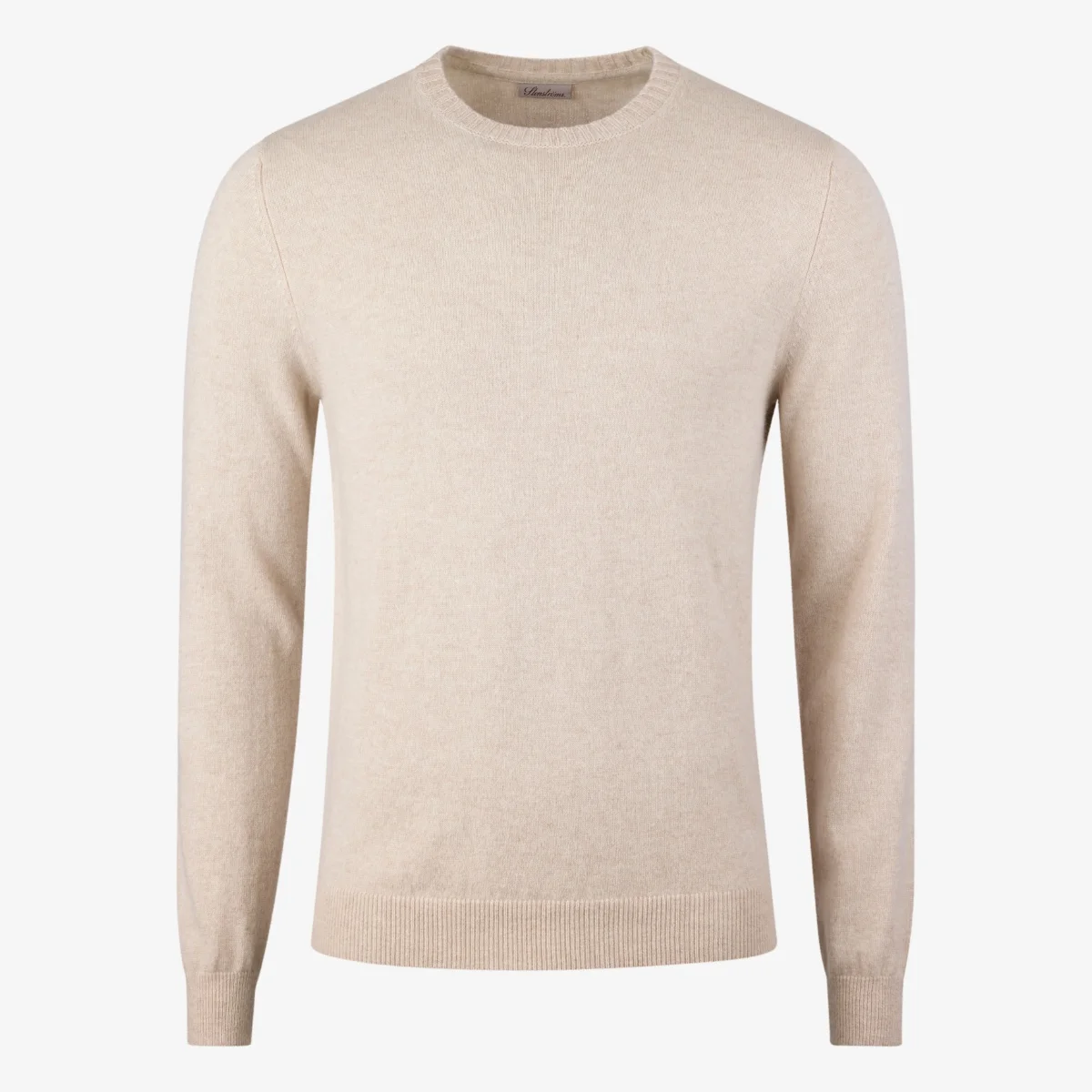
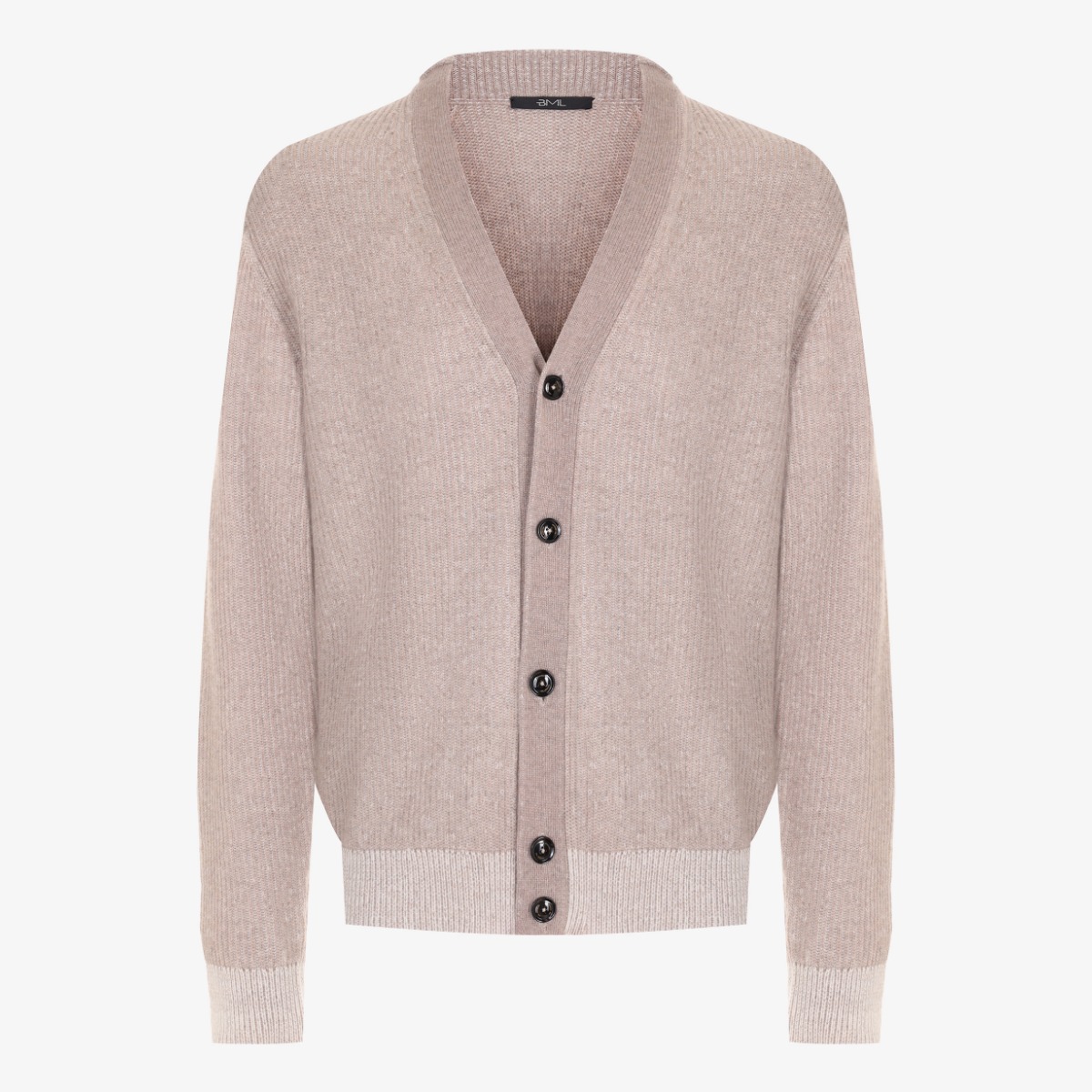
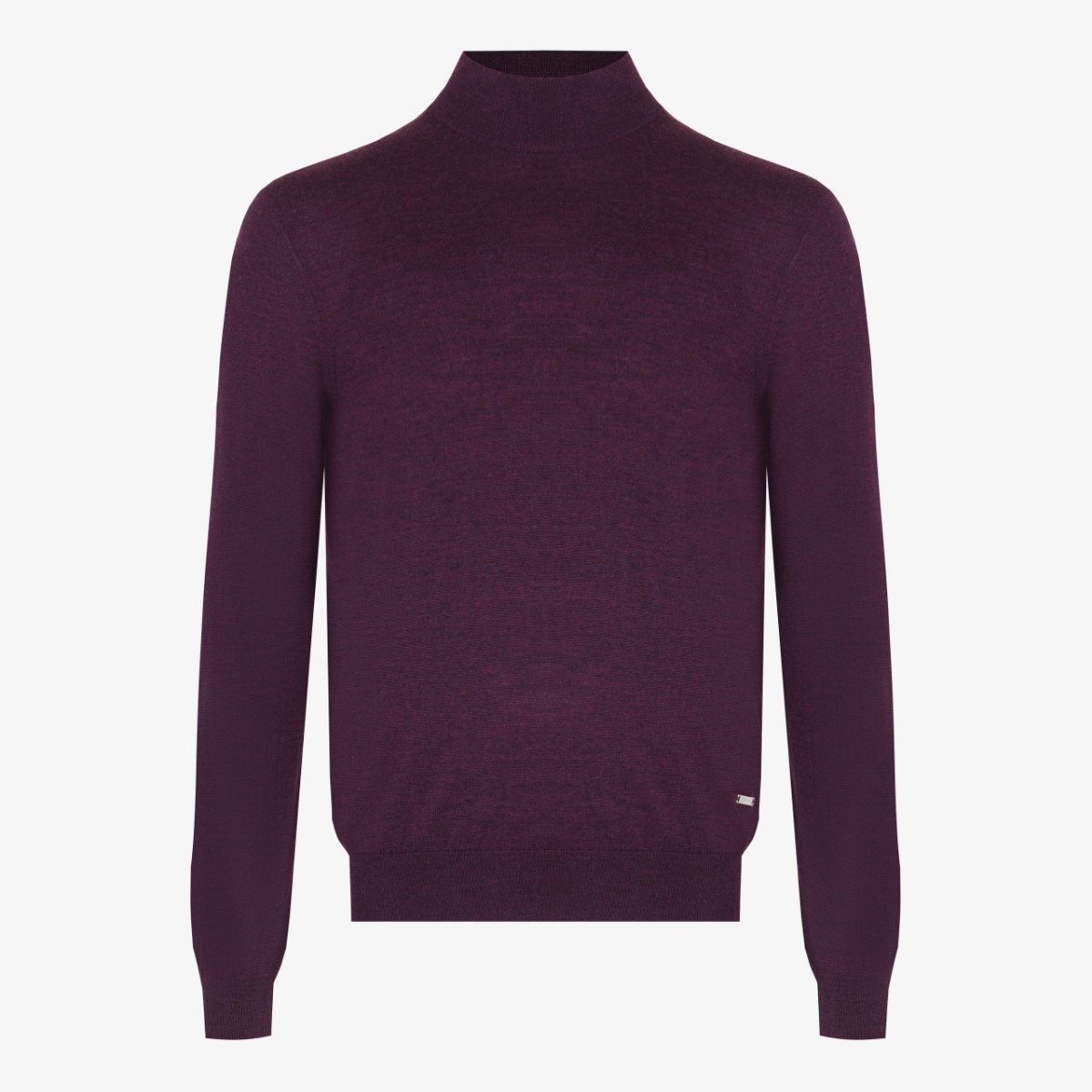
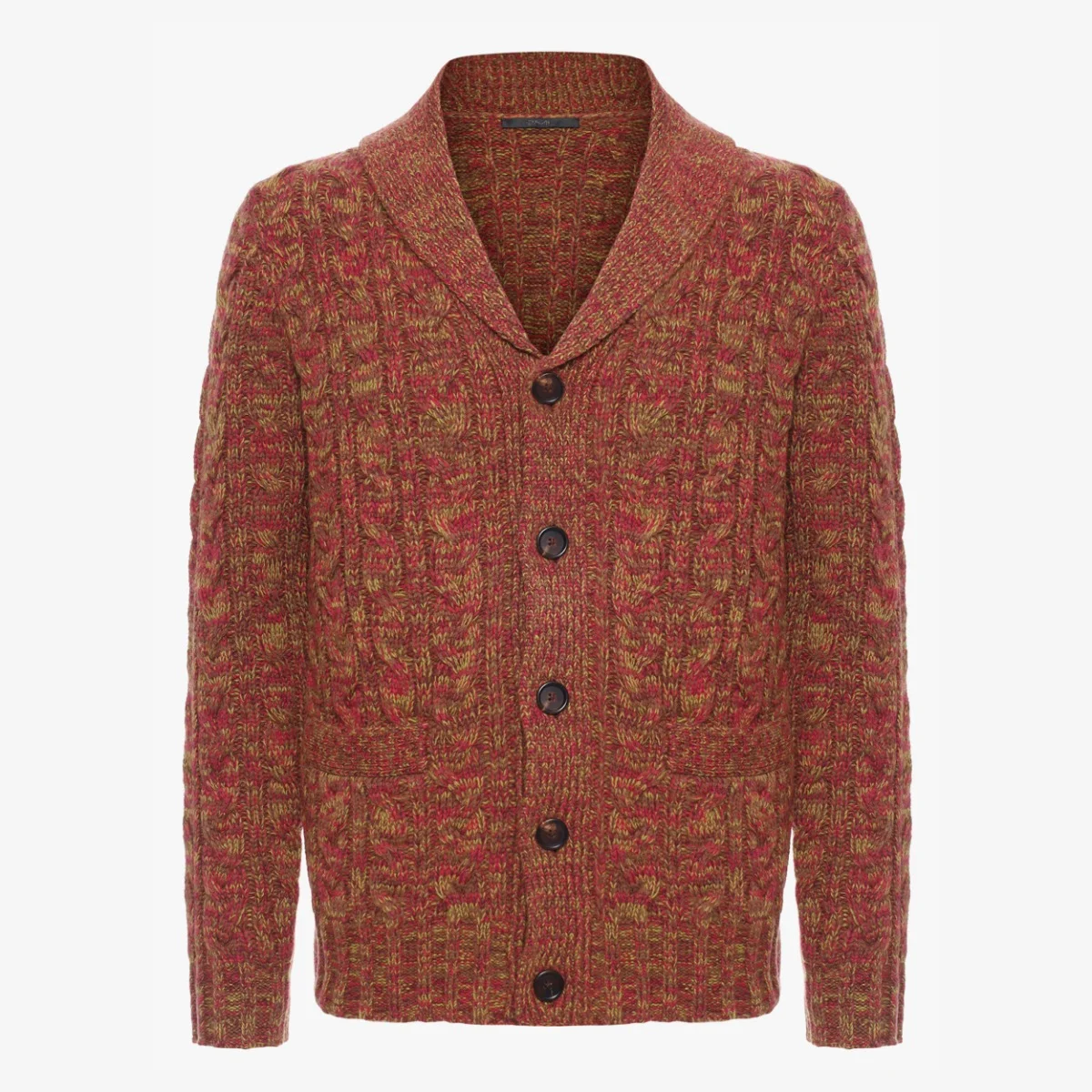
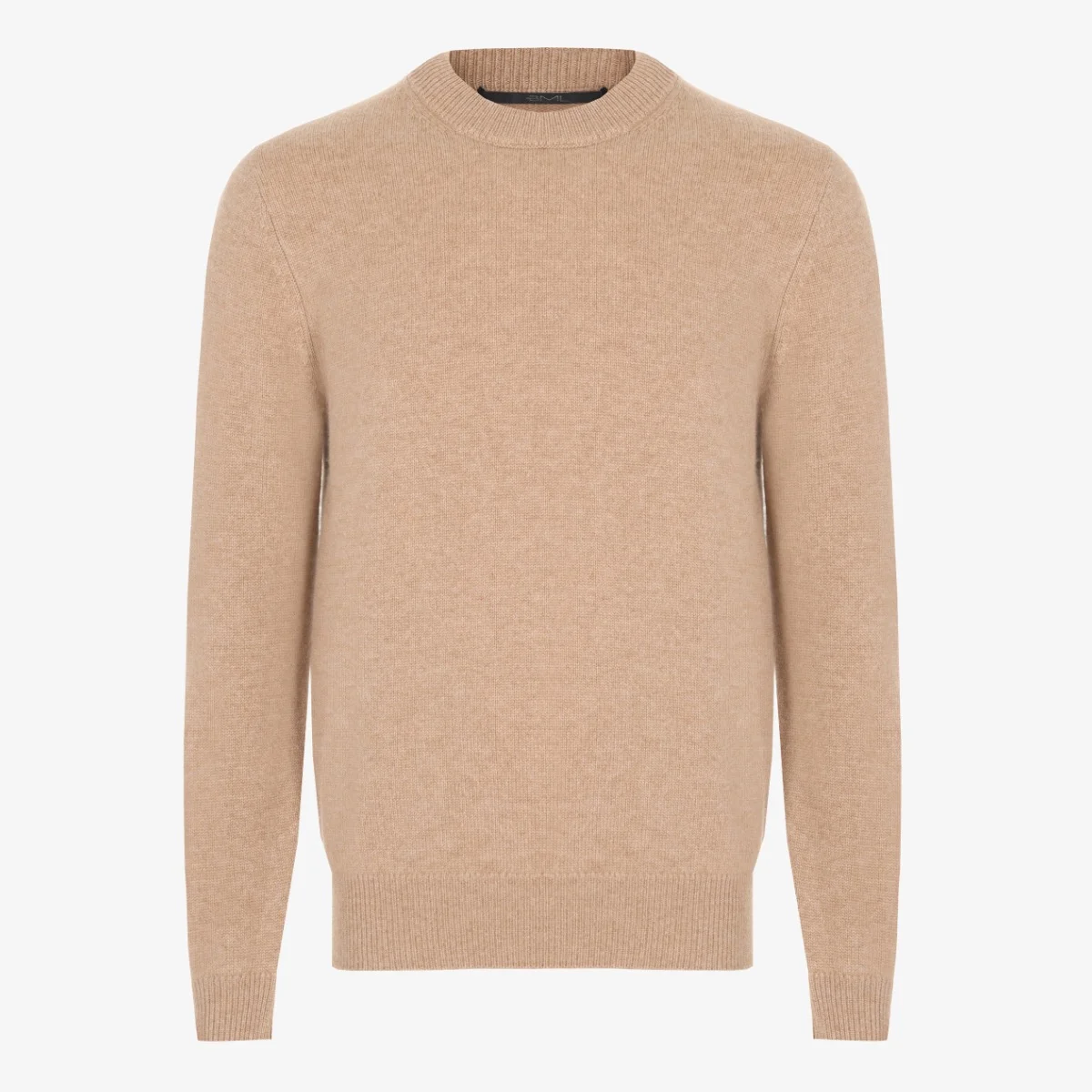
Knitwear adds warmth and texture without requiring a heavy outer layer. Fine crew-neck and V-neck sweaters can be worn over a shirt with tailored trousers, while heavier wool and patterned knitwear work well with jeans, boots and casual jackets. Navy, gray, brown and burgundy are useful colors that can be worn throughout several seasons.
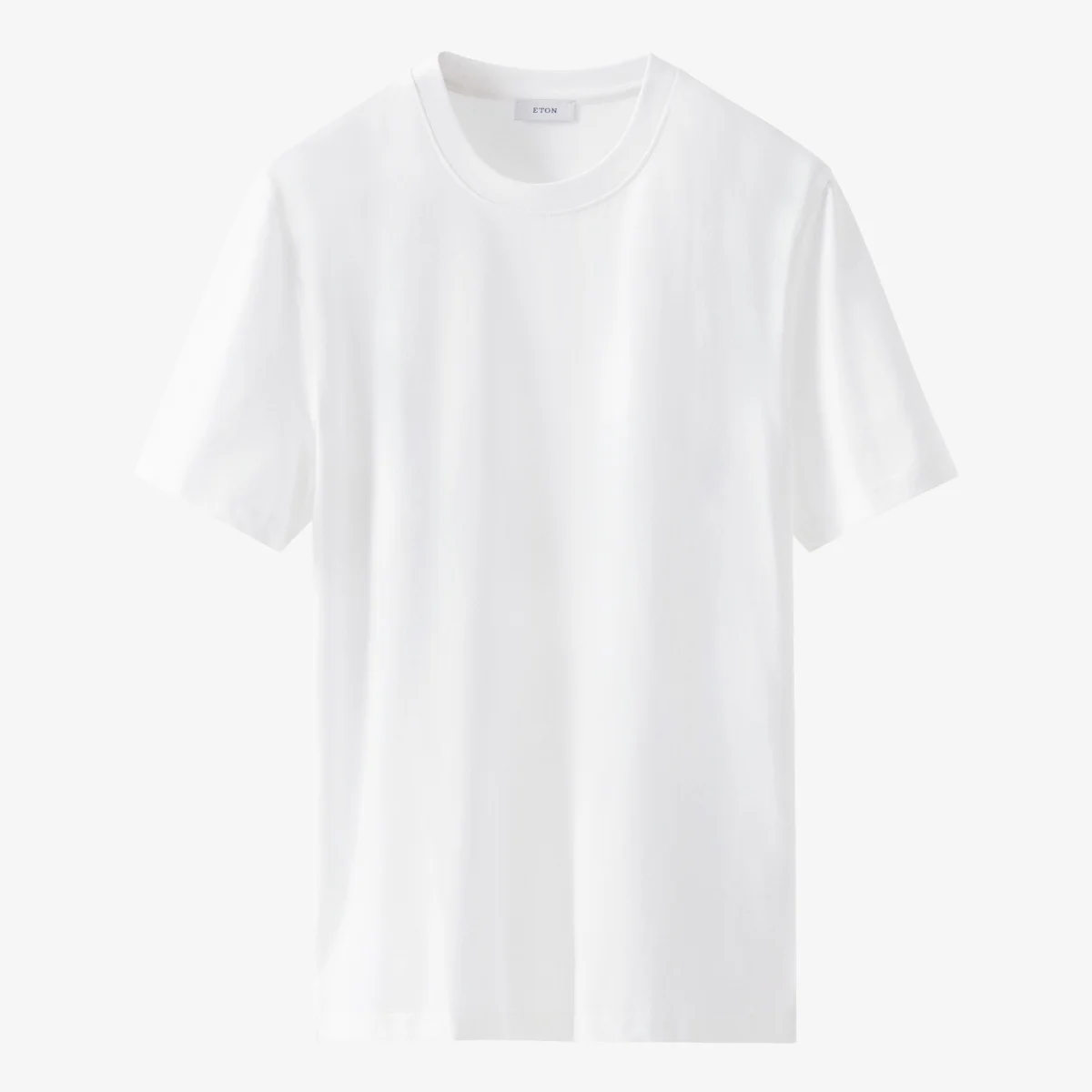
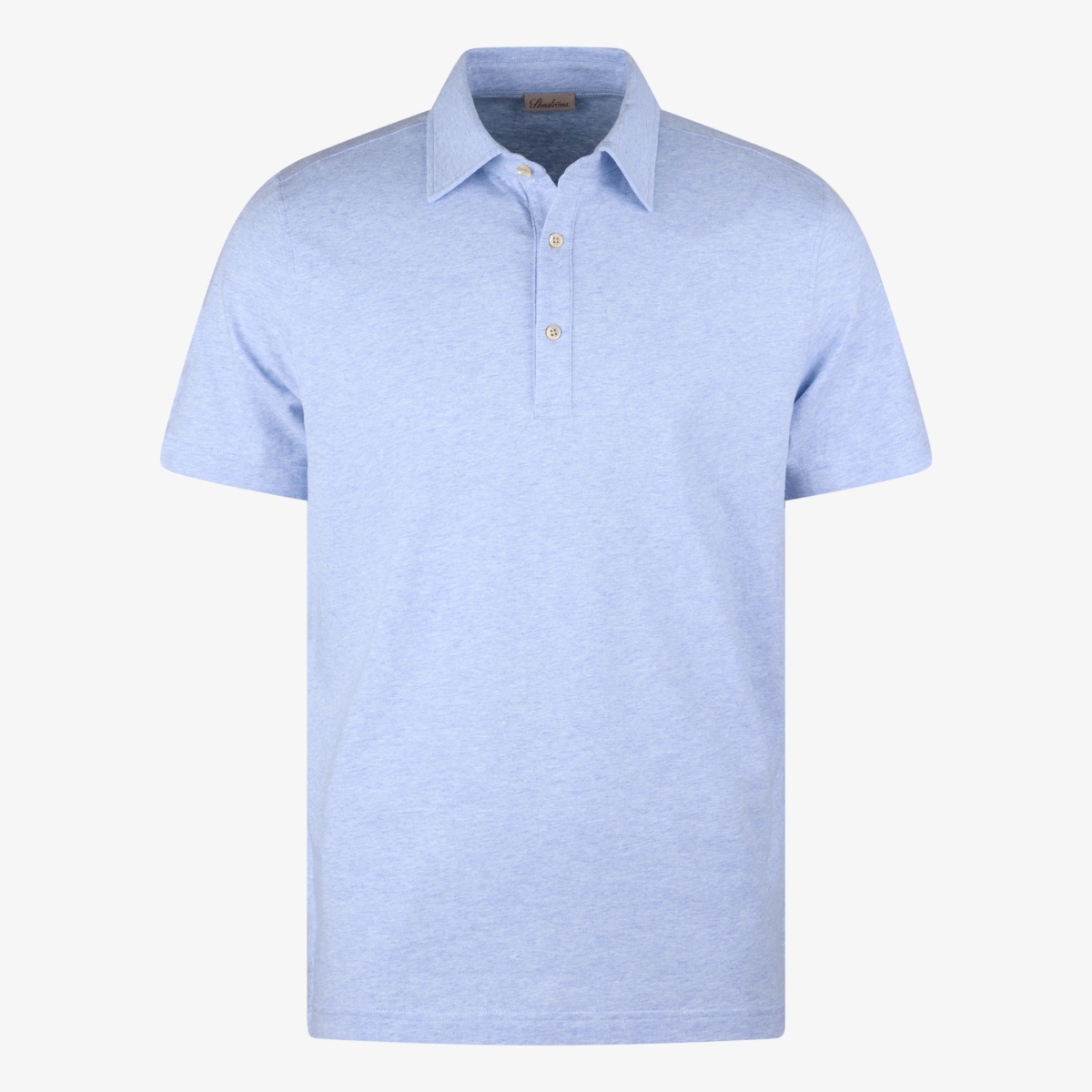
Polo shirts and T-shirts are valuable for relaxed outfits. A knitted or fine cotton polo can sit between a shirt and a T-shirt in formality, making it suitable for chinos, tailored trousers and summer jackets. Plain T-shirts work best when the fabric, neckline and fit are clean enough to be worn on their own or beneath overshirts and knitwear.
Underwear should be selected for comfort, breathability and fit. Cotton boxer shorts and trunks are dependable everyday choices, while lightweight undershirts can protect shirts and provide an additional layer beneath tailoring. The waistband and leg openings should remain secure without feeling restrictive.
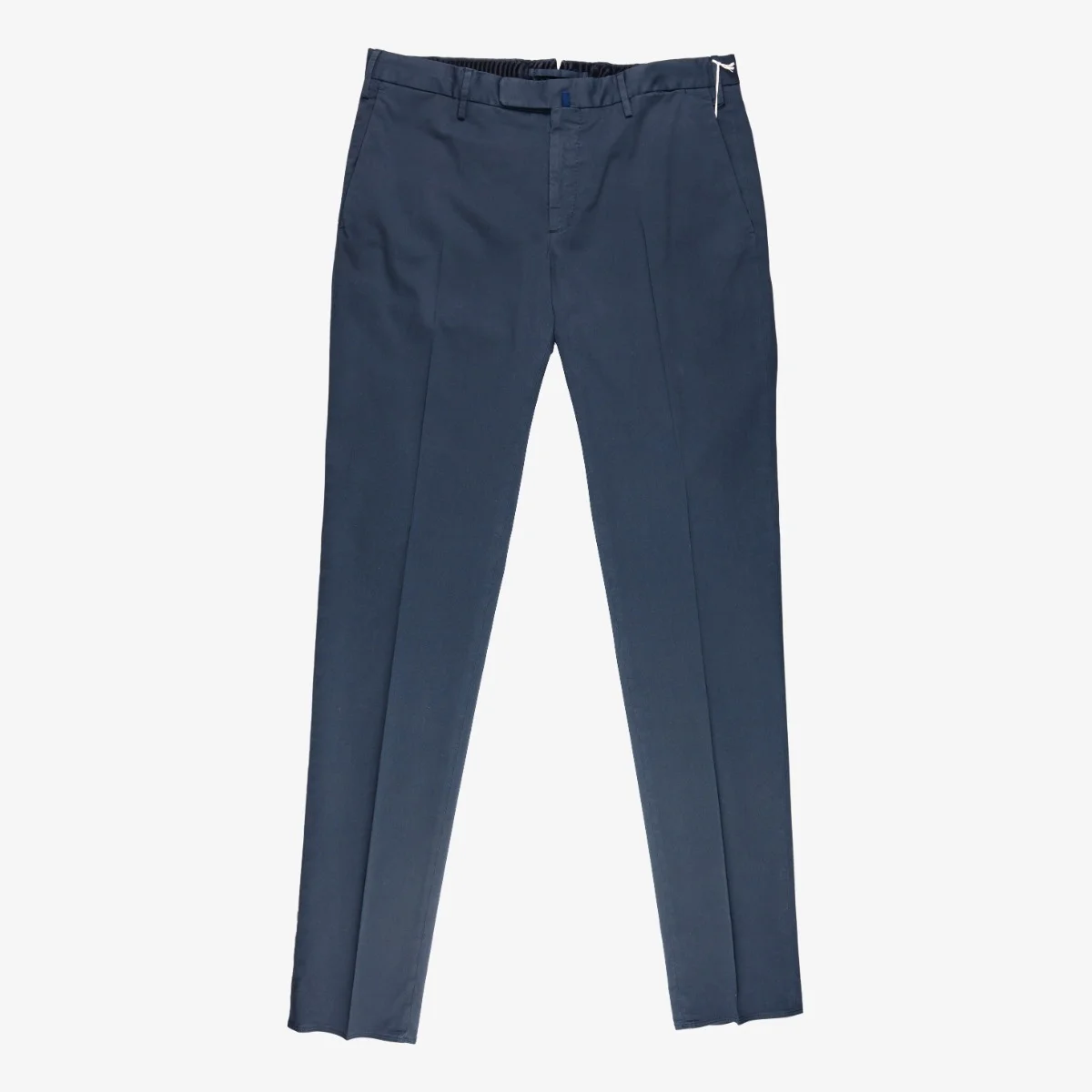
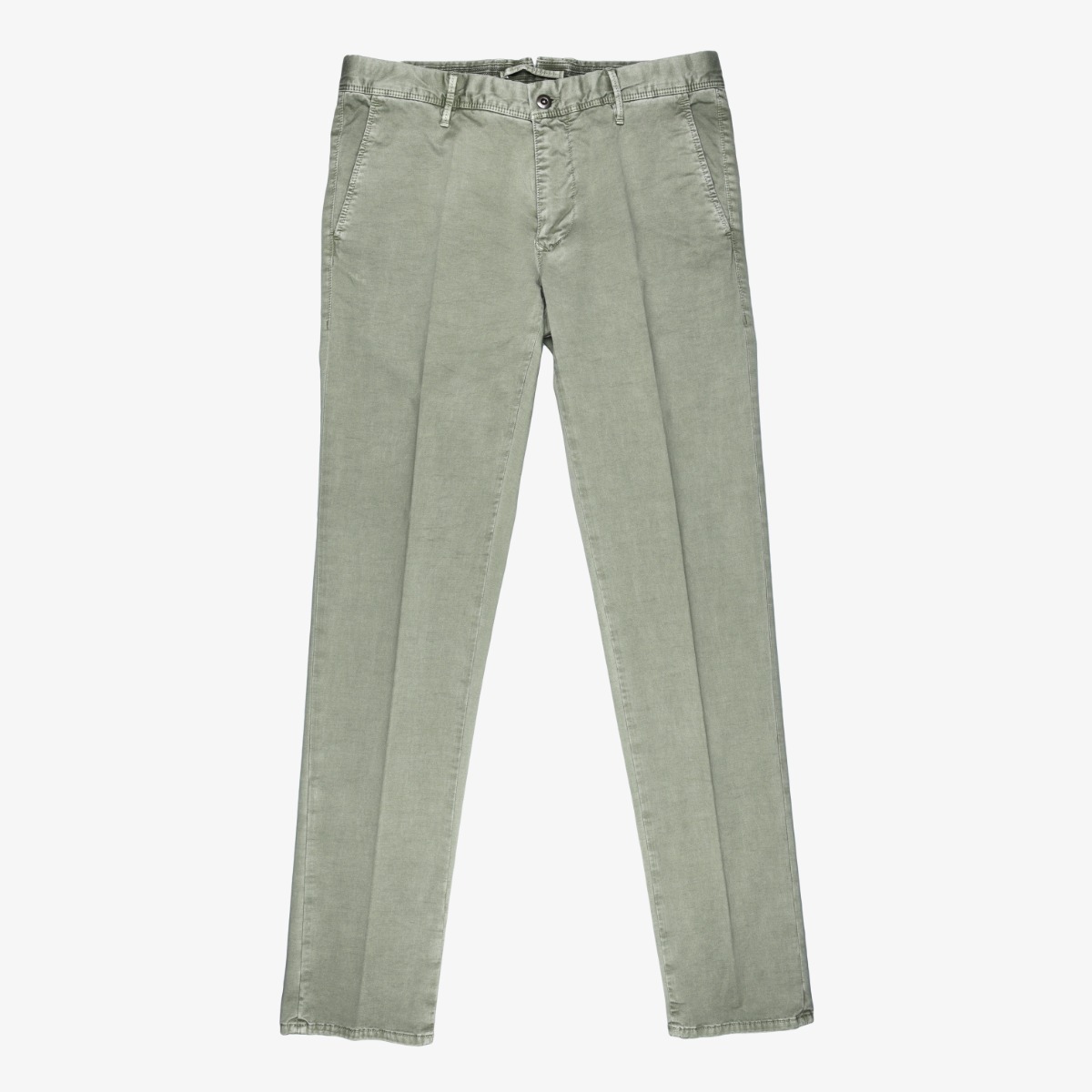
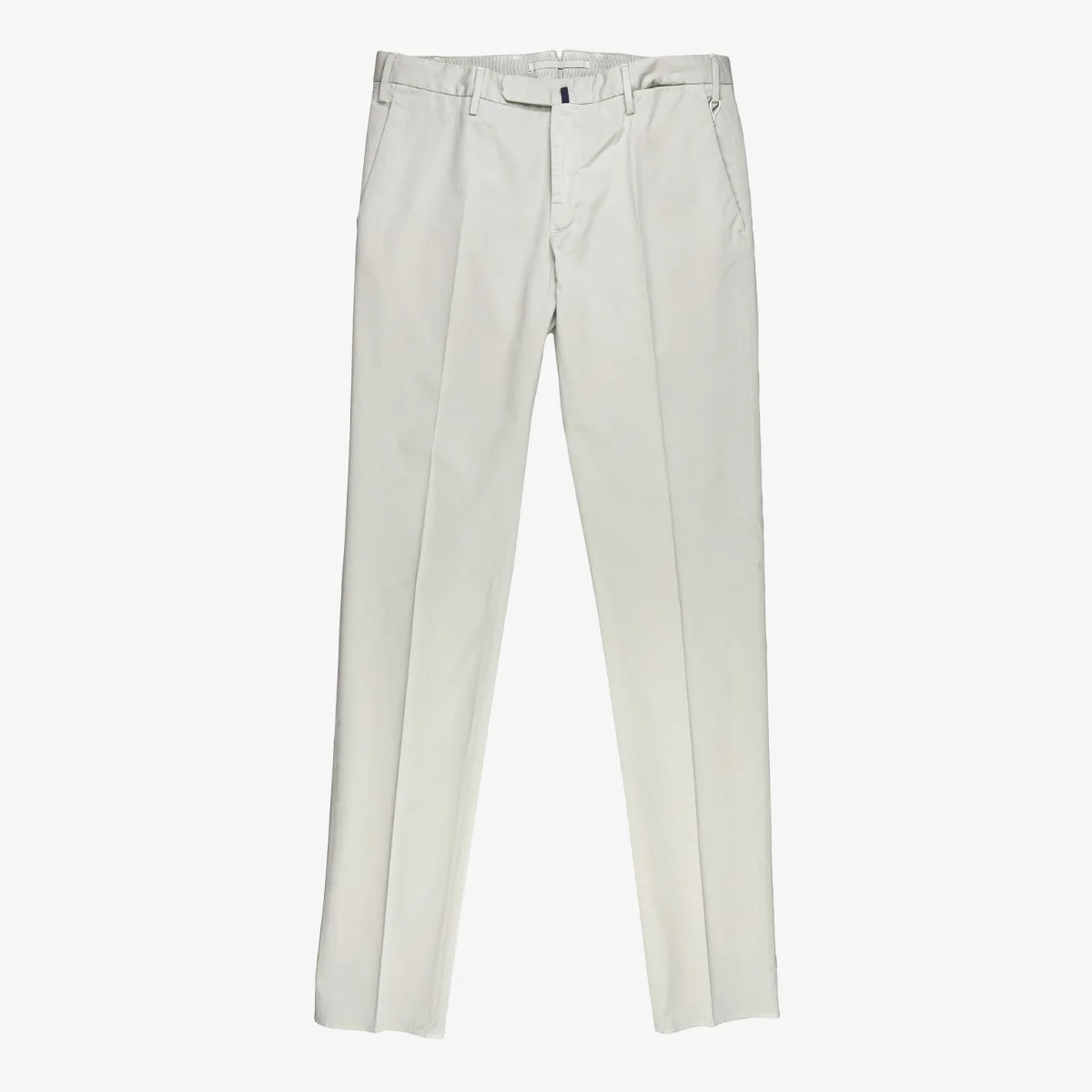
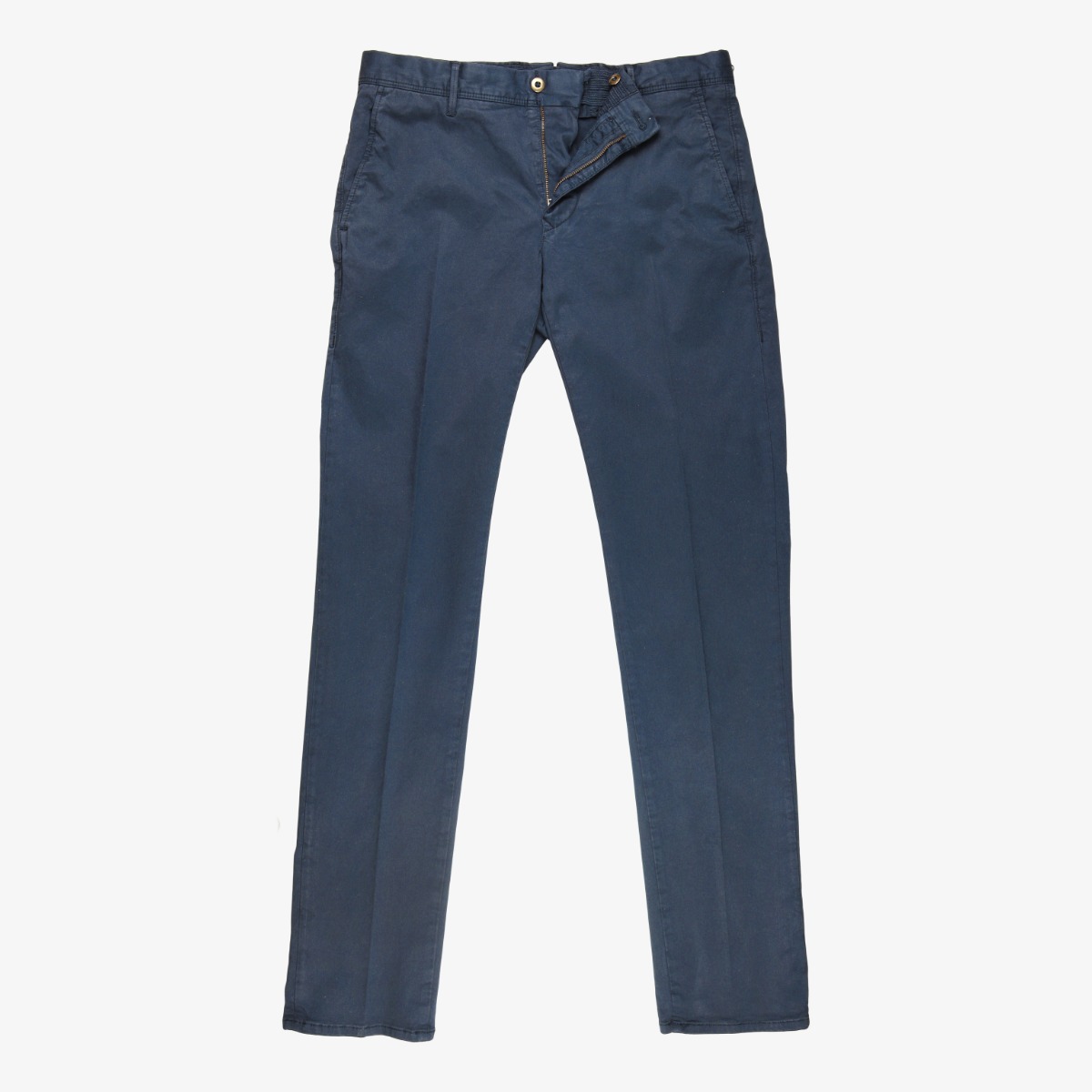
Trousers should suit both the wearer’s build and the intended outfit. Navy, gray, beige and brown are useful starting colors because they combine easily with shirts, sweaters and jackets. Slim and tapered trousers create a cleaner silhouette, while straight cuts provide more room through the leg. Fabric weight should also match the season, with lighter cotton and wool suitable for warmer weather and heavier materials providing more structure in autumn and winter.
When building an outfit, begin with one principal piece and keep the surrounding colors and patterns balanced. Neutral trousers and knitwear provide a dependable base for more distinctive shirts, while patterned trousers or knitwear are easier to wear with plain supporting pieces. Choosing clothing that shares a consistent color palette makes it easier to create more combinations from a smaller wardrobe.